Tag: disability rights

  • US Sues Lyft for $53m Over Disabled Riders’ Rights

    US Sues Lyft for $53m Over Disabled Riders’ Rights

    The United States Justice Department has sued Lyft, accusing the ride-hailing company of discriminating against passengers with disabilities and seeking $53 million for people who say they were refused rides.

    The lawsuit was filed on Monday, 9 November, in the US District Court for the Northern District of California. It alleges that Lyft and its drivers repeatedly denied transport to passengers travelling with service animals or using stowable wheelchairs and other mobility devices, charged cancellation fees after those refusals, and failed to make reasonable modifications such as allowing front-seat access when a passenger needed it for a mobility disability.

    According to the Justice Department, the $53 million would go to individuals with disabilities who were allegedly discriminated against and who submitted complaints to Lyft or to the department. The government is also seeking a civil penalty, a court order requiring the company to change its policies and improve driver training, and a jury trial.

    What the law says

    The lawsuit alleges that Lyft violated Title III of the Americans with Disabilities Act of 1990, which bars private transport companies from discriminating on the basis of disability. The Justice Department had already told Lyft in September 2026 that it believed the company was breaching the law over accessibility for passengers with disabilities, a warning Lyft disclosed in its quarterly filing.

    Lyft said it disagreed with the allegations in the lawsuit. The case is a civil complaint, not a settlement or a finding of liability, and the company will have the chance to contest the claims in court.

    The action follows a similar lawsuit the Justice Department filed against Uber in September 2025, in which it sought $125 million for disabled riders. US Attorney Craig H. Missakian, for the Northern District of California, is leading the Lyft case.

    For riders who rely on service animals or wheelchairs, the case is about more than money. If the government succeeds, Lyft could be forced to change how its drivers handle accessibility requests, how it deals with cancellations, and how it trains the people behind the wheel.
  • AKAB Blind School: Free Education for Visually Impaired Kids

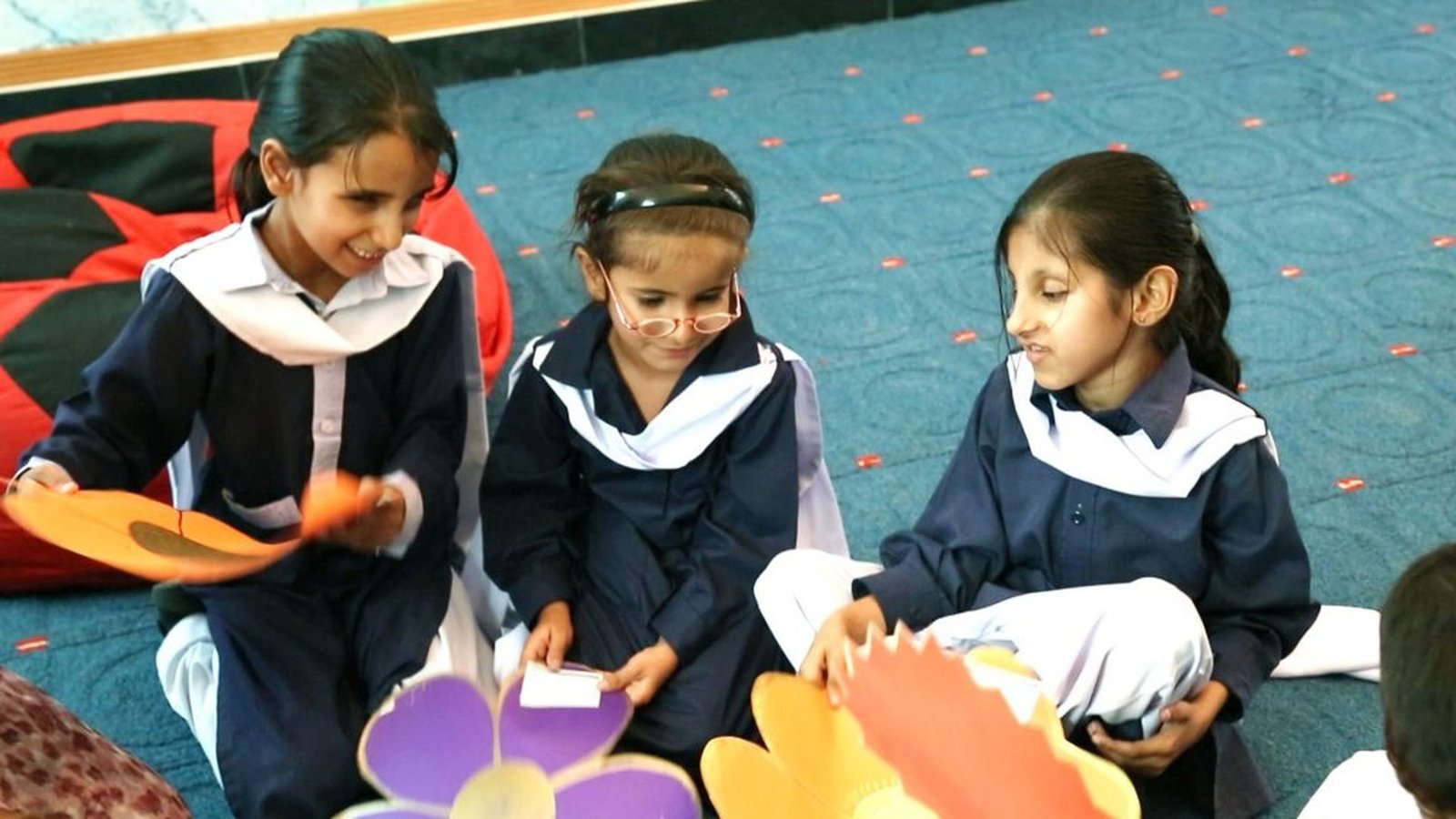
    AKAB Blind School: Free Education for Visually Impaired Kids

    On the outskirts of Mirpur, the lakeside city of southern Azad Jammu and Kashmir, stands a 100-kanal campus where the loss of sight is not treated as the loss of a future. This is the AKAB School for the Blind, an institution that has grown from a single rented room into one of the region’s most respected centres of special education.

    The school’s journey began in 1994, when Professor Mohammad Ilyas Ayub — himself born blind 56 years ago into an educated Mirpur family — joined hands with Tariq Awan, a visually impaired educationist from Muzaffarabad, to found the Azad Kashmir Association of the Blind (AKAB). Their aim was to secure education, employment and a dignified place in society for visually impaired people. Ayub, an English literature lecturer at Government College Mirpur, holds master’s degrees in English, special education and Islamic Studies, and joined the AJK education department as a lecturer in 1997.

    Three years later, he opened the region’s first school for visually impaired children in a single room of a commercial plaza in Mirpur — with one teacher and a single student. The project found permanent footing when government land grants in 2004 and 2008 allowed philanthropists and members of the Kashmiri diaspora to fund purpose-built hostels, classrooms, a library and a computer lab.

    Today the institution provides free education along with hostel accommodation, food, transport, modern technology and training to hundreds of visually impaired children. More than 300 children have been educated at the school so far, and its current rolls carry 150 boys and girls, including 50 day scholars. Another 50 former students now pursuing higher education continue to live in the school’s hostel.

    The campus offers Braille and computer education, assistive devices, a Braille printing press, a library, sports facilities and co-curricular activities — along with a standard-sized cricket ground at the heart of its sporting life.

    The academic record is striking. Alumnus Junaid Ahmed topped the intermediate board examination, won a scholarship to a US university, and returned for postgraduate studies at the University of Gujrat. In recent intermediate examinations two female students crossed the 1,000-mark threshold, the ninth-grade AJK board result last month was a perfect 100 per cent, and seven alumni have cleared Public Service Commission examinations to become university and college lecturers.

    Sport is woven into the school’s identity. Prof Ayub serves as vice chairman of the Pakistan Blind Cricket Council, and the reigning world champion Pakistan national blind men’s team counts its captain, head coach Muhammad Jamil — himself an AKAB student — and three core players from the school. The national blind women’s team also includes two AKAB players, and the campus hosts national team training camps.

    Prof Ayub, a recipient of the Tamgha-i-Imtiaz, says the school’s philosophy rests on dignity rather than charity — on helping students move beyond dependence to become confident, self-reliant and active members of society, with equal opportunity rather than sympathy.

    Challenges remain beyond the campus gates. UK-based Kashmiri journalist Sajid Yousaf, a campaigner for AKAB, points to a gap between policy and practice: although a one-per-cent employment quota is reserved for persons with disabilities, he notes, it rarely translates into jobs for visually impaired graduates. For Prof Ayub, the mission is unfinished — education must be matched by real opportunities once schooling ends.