Tag: Defence

  • خلیج ممالک کا کویت میں مشترکہ فوجی کمان قائم کرنے کا فیصلہ

    خلیج ممالک کا کویت میں مشترکہ فوجی کمان قائم کرنے کا فیصلہ

    خلیج تعاون کونسل (جی سی سی) کے رکن ممالک نے کویت میں اپنے متحدہ فوجی کمان کا جدید مرکز قائم کرنے کی منظوری دے دی ہے۔ منگل کو بحرین کے دارالحکومت منامہ میں ہونے والے مشترکہ دفاعی کونسل کے 23 ویں اجلاس میں یہ فیصلہ کیا گیا۔ کونسل کے سیکریٹری جنرل جاسم محمد البدیوی نے اعلان کیا کہ مرکز کے ساتھ مناسب فوج بھی تعینات کی جائے گی۔

    اجلاس کی صدارت بحرین کے وزیر دفاع لیفٹیننٹ جنرل عبداللہ بن حسن النعیمی نے کی، جس میں چھوں رکن ممالک کے وزرائے دفاع شریک ہوئے۔ البدیوی نے کہا کہ یہ فیصلہ گزشتہ اپریل میں جدہ میں ہونے والے خلیج رہنماؤں کے غیر معمولی اجلاس میں جاری کردہ ہدایات پر عمل درآمد کے طور پر کیا گیا ہے۔ ان کے بقول، کسی ایک رکن ملک کی سلامتی تمام رکن ممالک کی سلامتی سے الگ نہیں ہے۔

    متحدہ فوجی کمان دسمبر 2013 میں کویت میں ہونے والے خلیج سربراہ اجلاس میں قائم کی گئی تھی، جس کا مقصد مشترکہ فوجی کارروائیوں کی منصوبہ بندی اور رکن ممالک کی علاقائی، فضائی اور سمندری حدود کے دفاع کو مضبوط بنانا تھا۔ نیا مرکز اسی کمان کے تحت کام کرے گا، لیکن اس کے حجم، مقام یا فوج کی تعداد کے بارے میں فوری طور پر کوئی تفصیل جاری نہیں کی گئی۔

    یہ فیصلہ ایسے وقت میں سامنے آیا ہے جب خطے میں کشیدگی عروج پر ہے۔ 28 فروری کو ایران پر امریکہ اور اسرائیل کی جنگ شروع ہونے کے بعد سے خلیجی ممالک کو ایرانی میزائل اور ڈرون حملوں کا سامنا کرنا پڑا ہے۔ خلیجی ممالک کی اکثریت میں امریکہ کے بڑے فوجی اڈے قائم ہیں، اور ایران نے خبردار کیا ہے کہ علاقائی ممالک اپنی سرزمین یا سہولیات کو ایران کے خلاف حملوں کے لیے استعمال نہ ہونے دیں۔

    البدیوی نے ایران کے حالیہ حملوں اور سعودی عرب پر حوثیوں کے حملوں کی مذمت بھی کی۔ خلیج تعاون کونسل میں سعودی عرب، متحدہ عرب امارات، قطر، کویت، بحرین اور عمان شامل ہیں۔ کونسل کا کہنا ہے کہ نیا مرکز مشترکہ دفاعی تعاون، آپریشنل رابطے اور اجتماعی سلامتی کو مزید مضبوط بنائے گا، اور اس کا مقصد مشترکہ خطرات کا تیزی سے جواب دینا ہے۔
  • Pakistan’s first home-made Fa’az missile passes flight test

    Pakistan’s first home-made Fa’az missile passes flight test

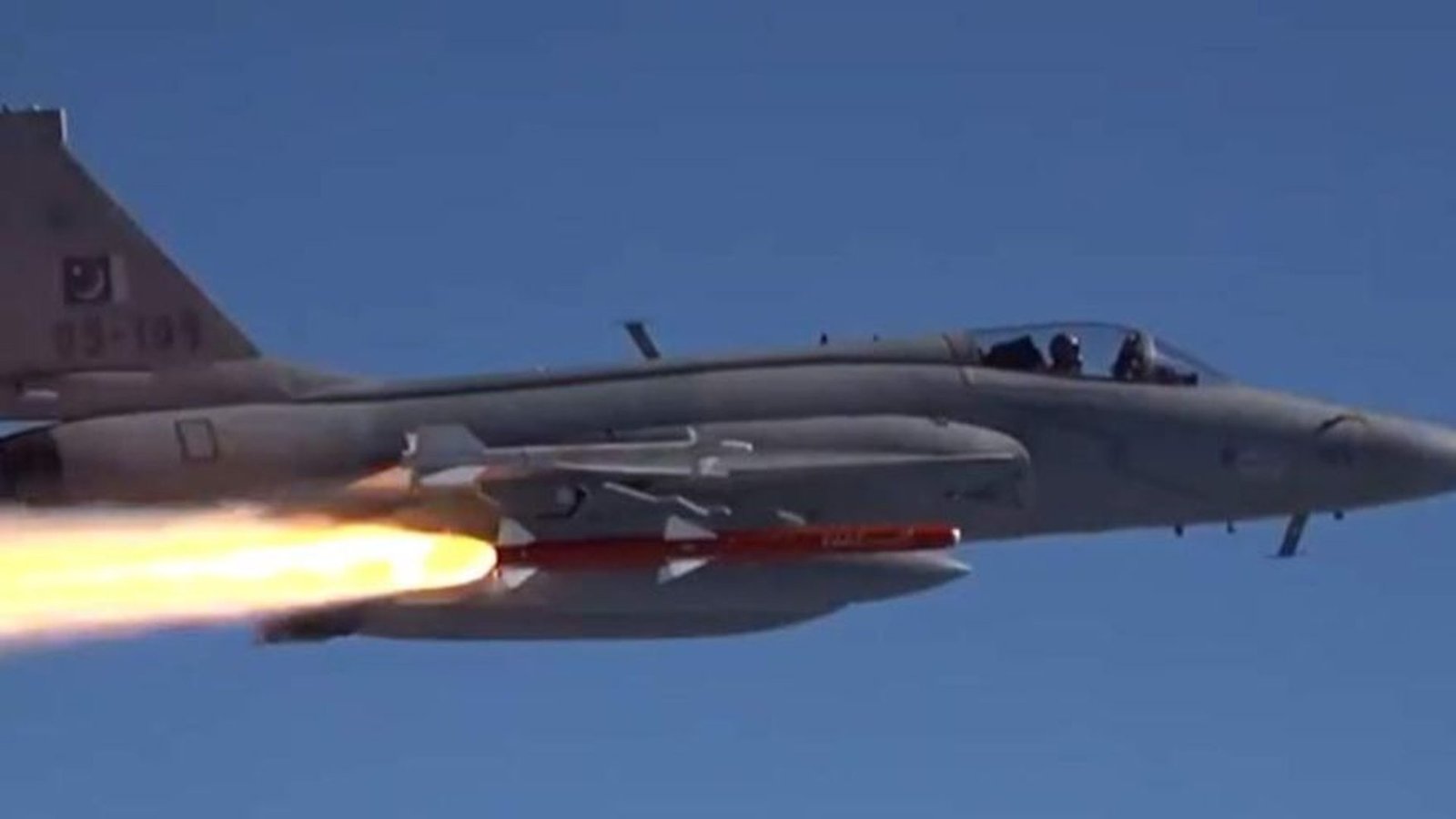
    Pakistan has carried out a successful flight test of Fa’az, its first indigenously developed air-to-air missile, the military’s media wing has announced. The test, conducted on Tuesday, 3 November, saw the missile fired from a JF-17 Thunder fighter aircraft, according to the Pakistan Air Force’s Directorate General of Public Relations.

    In its announcement, the air force said Fa’az would significantly enhance the operational flexibility of the Pakistan Air Force and further strengthen the country’s overall defence posture. A video released with the announcement showed a JF-17 Thunder Block-1 aircraft firing the missile from an underwing pylon.

    Fa’az is a beyond-visual-range air-to-air missile developed by the Air Weapons Complex of the National Engineering and Scientific Commission, and marketed through Global Industrial and Defence Solutions, the state-owned enterprise representing the commission. It was officially revealed in 2023, and the test this week is its first confirmed successful flight trial.

    According to the military statement, the missile is fitted with a state-of-the-art terminal guidance system and is capable of engaging enemy aerial targets at longer ranges. The version fired in the test used an imaging infrared seeker, defence analysts reported, while a radar-guided version is also under development.

    Officials have not disclosed the missile’s maximum range, speed, or the date on which it might enter operational service with the air force. Those details remain undisclosed, and the statement gave no timeline for induction into the fleet.

    Senior officers of the armed forces, along with scientists and engineers involved in the programme, witnessed the launch. President Asif Ali Zardari, Prime Minister Shehbaz Sharif, and the chiefs of the armed forces congratulated the scientists and engineers on the test, according to reports of the announcement.

    The test follows other recent missile trials by Pakistan’s armed forces, including an extended-range Fatah-2 test in October. Defence analysts say a home-grown air-to-air missile would reduce dependence on imported weapons for the JF-17 fleet, which forms a central part of the air force’s combat strength.

    For Pakistan’s defence industry, the successful trial is being presented as a milestone in self-reliance. Whether Fa’az moves quickly from testing to service will depend on further trials, but the air force has described this first flight test as a significant step in the country’s aerospace and defence capabilities.

  • Pakistan test-fires first home-made Fa’az air missile

    Pakistan test-fires first home-made Fa’az air missile

    Pakistan has carried out the successful flight test of Fa’az, its first indigenously developed air-to-air missile, in a step the country’s military says marks a major advance for its aerospace and defence capabilities. The announcement was made on Tuesday, with the military’s media wing describing the test as a milestone for self-reliance in advanced weapons technology.

    According to the statement issued by Inter-Services Public Relations, the missile is equipped with a state-of-the-art terminal guidance system and is designed to engage enemy aircraft at longer ranges. It is a beyond-visual-range weapon, meaning it can strike targets far beyond what a pilot can see with the naked eye, and it was launched from a JF-17 Thunder fighter aircraft during the test.

    The statement said the missile can engage high-speed aerial targets in all weather conditions, day and night, and offers high manoeuvrability along with resistance to electronic warfare. Those qualities, the military said, will significantly enhance the operational flexibility of the Pakistan Air Force and further strengthen the country’s overall defence posture.

    Senior officers of the armed forces watched the launch alongside the scientists and engineers who played a central role in designing and developing the weapon. Their presence underlined the domestic character of the programme, which the statement presented as evidence of the technical maturity and innovation achieved by Pakistan’s defence industry.

    President Asif Ali Zardari, Prime Minister Shehbaz Sharif, Chief of Army Staff and Chief of Defence Forces Field Marshal Syed Asim Munir, and the services chiefs congratulated the scientists and engineers involved. They described the successful test as a remarkable achievement and a symbol of indigenous capability.

    The test comes weeks after the Pakistan Army successfully test-launched an extended-range version of the Fatah-2 missile in October, a sequence of trials that points to a sustained push to expand locally developed weapons systems. Defence analysts often note that indigenous missile programmes reduce dependence on foreign suppliers and give a country greater control over its arsenal.

    For the Pakistan Air Force, the addition of a home-grown beyond-visual-range missile is significant because air combat increasingly depends on the ability to detect, track and engage targets at distance. A reliable weapon of this class, built and maintained domestically, allows the force to sustain operations without relying on imported stocks.

    The military said the successful flight test demonstrated the self-reliance achieved by the country’s defence industry and would contribute to national security. No further technical details, such as the missile’s range, were disclosed in the statement, and officials did not say when the weapon would enter full operational service.

  • Pakistan to Sign Defence Industry Pact With Qatar, Turkiye

    Pakistan to Sign Defence Industry Pact With Qatar, Turkiye

    ISLAMABAD: Türkiye, Qatar, Pakistan and Indonesia are expected to sign a defence industry cooperation memorandum in Doha on Wednesday, marking a new step in military-technical cooperation among the four countries, Dawn reported.

    According to TRT World, the signing will be held in the Qatari capital, where Qatar is also expected to announce plans to establish a local defence production hub. The announcement was made by Qatar’s Minister of State for Defence Affairs, Sheikh Saoud bin Abdulrahman Al Thani, during the Global Security Forum in Doha on Monday.

    Turkish Defence Minister Yasar Guler will travel to Doha for the signing. Interior Minister Mohsin Naqvi, who is also in Doha for the security forum, is expected to represent Pakistan at the ceremony, the report said.

    Earlier, Naqvi met his Qatari counterpart, Sheikh Khalifa bin Hamad bin Khalifa Al Thani, who also commands Qatar’s Internal Security Force, the Lekhwiya. The two ministers discussed the current regional situation and matters concerning regional peace and stability, the state-run APP news agency reported. During their meeting, the two sides agreed to expand the security partnership between Pakistan and Qatar and held detailed discussions on expanding cooperation in areas related to internal security.

    The Makkah defence pact

    The Doha signing comes as Türkiye submitted the Makkah defence pact to its parliament for ratification, moving Ankara closer to a formal mutual defence pledge with Riyadh. Pakistan, Saudi Arabia and Türkiye signed the Makkah Joint Defence Agreement in August, under which an armed attack on one member is considered an attack on all — a provision similar to NATO’s Article 5 that refers to Article 51 of the UN Charter, which covers the individual or collective right of self-defence against armed attacks.

    The agreement will enter into force upon the deposit of ratification documents with the secretariat in Riyadh, and the parties may not withdraw from the agreement for the first 10 years. While Pakistan has already ratified the treaty under its executive-led treaty-making system, Türkiye still requires formal parliamentary ratification.

    A Turkish official, who spoke to Reuters on the condition of anonymity, said Ankara’s contribution under the alliance was expected to be limited to military equipment, intelligence sharing and weapons systems, adding that no other form of deployment had taken place under the alliance so far. Turkish Foreign Minister Hakan Fidan said the Makkah Agreement was not an “offensive agreement”, adding that Türkiye would not send troops to another country to carry out attacks on its territory.

    Egypt’s parliament, which is not part of the Makkah alliance, is also expected to vote on October 26 on authorising potential military support for Saudi Arabia, Dawn reported.