Tag: CTD

  • PHC Seeks Report on Missing Russian Student in 14 Days

    PHC Seeks Report on Missing Russian Student in 14 Days

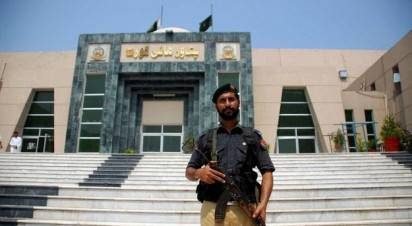
    The Peshawar High Court has directed police and other concerned authorities to submit a report within 14 days about a 20-year-old Russian student who reportedly went missing after travelling from Islamabad towards Khyber Pakhtunkhwa in January 2025, 24NewsHD TV reported on Monday, November 17, 2026.

    According to a petition filed in the high court, the authorities have also been directed to provide the missing student’s mobile phone number to the Counter Terrorism Department (CTD) so that his Call Data Records (CDR) can be obtained. The court has further asked police to provide details about the Russian national’s entry into Khyber Pakhtunkhwa to help establish his movements.

    The petition was filed by Kristina Petrovichenkina, a Russian lawyer based in Islamabad, on behalf of 20-year-old Ali Galogayev. According to the petition, Ali arrived in Islamabad on January 30 last year and later planned to travel to Khyber Pakhtunkhwa, but there has been no confirmed information about his whereabouts since then.

    Mohsin Farooq, a lawyer at the Peshawar High Court who helped file the petition, said Ali was a university student in Russia and had travelled to Pakistan on a tourist visa. Farooq said Ali had contacted his brother in Russia after reaching Islamabad and told him he was going to Peshawar to meet some friends, but his family lost contact with him afterwards. Farooq said there was still no confirmation that Ali had actually reached Peshawar. He added that a complaint had also been filed with the Missing Persons Commission in Islamabad last year, but the commission declined to hear the case because Ali did not have a Pakistani identity card.

  • رینجرز نے لیاری گینگ وار کے انتہائی مطلوب مجرم کو گرفتار کر لیا

    رینجرز نے لیاری گینگ وار کے انتہائی مطلوب مجرم کو گرفتار کر لیا

    پاکستان رینجرز نے مقامی پولیس کے ساتھ مل کر کراچی میں لیاری گینگ وار کے انتہائی مطلوب ملزم سلمان عرف سلیم عرف سلام کو گرفتار کر لیا، 24 نیوز نے منگل کو رپورٹ کیا۔

    رپورٹ کے مطابق ملزم کی گرفتاری کا آپریشن لیاری کے علاقے کالا کوٹ کی افشانی اسٹریٹ میں کیا گیا۔

    پاکستان رینجرز کے ترجمان نے کہا کہ ملزم بابا لاڈلا اور اسماعیل افشانی گروپ کا رکن ہے اور ٹارگٹ کلنگ، تاوان کے لیے اغوا اور بھتہ خوری سمیت مختلف جرائم میں ملوث ہے۔

    پاکستان رینجرز نے اس کے قبضے سے اسلحہ اور گولہ بارود برآمد کیا۔ ترجمان نے مزید بتایا کہ ملزم کا نام انسداد دہشت گردی محکمے (سی ٹی ڈی) کی ریڈ بک میں شامل تھا۔

    ترجمان کے مطابق ملزم نے 2011 میں بابا لاڈلا گروپ میں شمولیت اختیار کی اور اپنے حریفوں پر حملے میں ملوث رہا۔ کراچی آپریشن کے دوران وہ بلوچستان اور بیرون ملک فرار ہو گیا تھا اور ٹیلی فون کے ذریعے اپنے ساتھیوں سے رابطے میں رہا۔

    واپسی پر اس نے گروپ کو دوبارہ متحرک کرنے کی کوشش کی۔ پاکستان رینجرز نے بعد میں اسے مزید کارروائی کے لیے پولیس کے حوالے کر دیا۔

  • Rangers Arrest Most-Wanted Lyari Gang War Criminal

    Rangers Arrest Most-Wanted Lyari Gang War Criminal

    Pakistan Rangers, in coordination with local police, arrested a most-wanted accused in the Lyari gang war, Salman alias Slim alias Salam, in Karachi, 24NewsHD reported on Tuesday.

    The operation to arrest the accused was conducted in Afshani Street of the Kala Kot area of Lyari, according to the report.

    A spokesman for Pakistan Rangers said the accused is a member of the Baba Ladla and Ismail Afshani group and is involved in various criminal cases, including target killing, kidnapping for ransom and extortion.

    Pakistan Rangers recovered arms and ammunition from his possession. The spokesman further revealed that the accused’s name was included in the Counter-Terrorism Department (CTD) Red Book.

    According to the spokesman, the accused joined the Baba Ladla Group in 2011 and was involved in an attack on their rivals. During the Karachi operation, he escaped to Balochistan and abroad, and remained in contact with his colleagues by telephone.

    Upon his return, he tried to mobilise the group. Pakistan Rangers later handed him over to the police for further proceedings.

  • سی ٹی ڈی نے کراچی سے کالعدم تنظیم کے دو دہشت گرد گرفتار کر لیے

    سی ٹی ڈی نے کراچی سے کالعدم تنظیم کے دو دہشت گرد گرفتار کر لیے

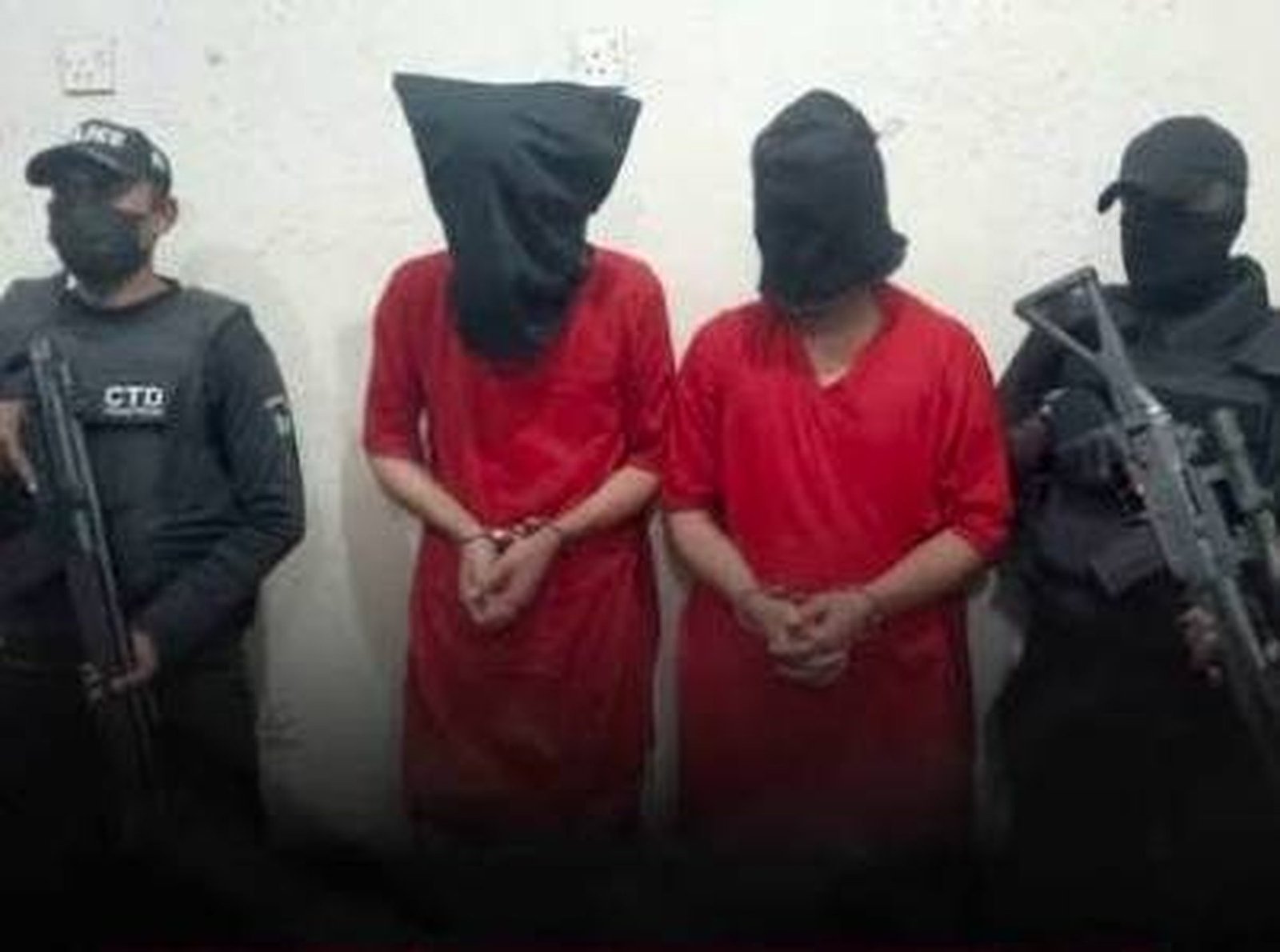
    کاؤنٹر ٹیررازم ڈیپارٹمنٹ (سی ٹی ڈی) نے ایک وفاقی انٹیلیجنس ایجنسی کے تعاون سے کراچی سے کالعدم سندھو دیش لبریشن آرمی (ایس ایل اے) سے وابستہ دو مشتبہ دہشت گردوں کو گرفتار کر لیا، 24 نیوز نے رپورٹ کیا۔

    سی ٹی ڈی کے مطابق گرفتار افراد کی شناخت مدد علی عرف علی اور جنید علی عباسی کے نام سے ہوئی ہے۔

    محکمے کا کہنا ہے کہ دونوں افراد ایس ایل اے کمانڈر دریا خان سے رابطے میں تھے اور قانون نافذ کرنے والے اداروں کے اہلکاروں کو نشانہ بنانے کی منصوبہ بندی کر رہے تھے۔

    سی ٹی ڈی نے یہ بھی دعویٰ کیا ہے کہ ان کے قبضے سے ایک دیسی ساختہ دھماکا خیز آلہ (آئی ای ڈی) اور ایک دستی بم برآمد ہوا ہے، اور کالعدم تنظیم نے انہیں عسکری تربیت اور دھماکا خیز مواد فراہم کیا تھا۔

    سی ٹی ڈی کے مطابق دونوں افراد کمانڈر دریا کی ہدایات ملنے کے بعد کراچی پہنچے تھے اور انہوں نے شہر کی اہم اور حساس عمارتوں کی نگرانی مکمل کر لی تھی۔

    رپورٹ کے مطابق سی ٹی ڈی نے دونوں افراد کے خلاف الگ الگ مقدمات درج کر لیے ہیں۔

    سی ٹی ڈی سندھ پولیس کا انسداد دہشت گردی کے لیے خصوصی شعبہ ہے، اور یہ صوبے میں کالعدم تنظیموں اور ان کے نیٹ ورکس کے خلاف کارروائیوں میں انٹیلیجنس ایجنسیوں کے ساتھ کام کرتا ہے۔ محکمے کے بیان کے مطابق یہ گرفتاریاں انٹیلیجنس معلومات کی بنیاد پر عمل میں آئیں۔

    سی ٹی ڈی کے مطابق سندھو دیش لبریشن آرمی ایک کالعدم تنظیم ہے۔ محکمے کے بیان میں اسے سندھ میں سرگرم ایک علیحدگی پسند تنظیم قرار دیا گیا ہے، اور گرفتار دونوں افراد کے بارے میں الزام ہے کہ وہ اس کے کمانڈر کی ہدایت پر اس کے لیے کام کر رہے تھے۔ یہ ان علیحدگی پسند تنظیموں میں سے ایک ہے جن پر ریاست نے پابندی عائد کر رکھی ہے، اور سی ٹی ڈی کا کہنا ہے کہ اس کے اراکین قانون نافذ کرنے والے اہلکاروں اور سرکاری تنصیبات پر حملوں میں ملوث رہے ہیں۔

    قانون کے تحت گرفتار ملزمان کو 24 گھنٹوں کے اندر عدالت میں پیش کیا جاتا ہے، جہاں پولیس تفتیش کے لیے ان کے جسمانی ریمانڈ کی درخواست کرتی ہے۔ انسداد دہشت گردی کے قوانین کے تحت درج مقدمات انسداد دہشت گردی کی عدالتوں میں چلتے ہیں، جہاں استغاثہ کو تفتیش کے دوران جمع کیے گئے شواہد کی بنیاد پر الزامات ثابت کرنا ہوتے ہیں۔

    صوبوں میں انسداد دہشت گردی کے محکمے دہشت گردی سے متعلق مقدمات کی تفتیش کرتے ہیں، کالعدم تنظیموں کے بارے میں انٹیلیجنس معلومات جمع کرتے ہیں اور اسی بنیاد پر چھاپے مارتے ہیں۔ سی ٹی ڈی نے کہا کہ کراچی میں گرفتاریاں ایک وفاقی انٹیلیجنس ایجنسی کے ساتھ مل کر کی گئی اسی طرح کی انٹیلیجنس کارروائی کا نتیجہ ہیں۔

    افراد کی وابستگی، ان کے منصوبوں اور ان سے برآمد ہونے والے مواد کے بارے میں دعوے سی ٹی ڈی کے بیان پر مبنی ہیں، اور ان کے خلاف درج مقدمات اب قانون کے مطابق آگے بڑھیں گے۔ تفتیش جاری رہنے اور مقدمات قانونی عمل سے گزرنے پر مزید تفصیلات سامنے آنے کی توقع ہے۔

  • CTD Arrests Two Terrorists in Karachi

    CTD Arrests Two Terrorists in Karachi

    The Counter-Terrorism Department (CTD), in collaboration with a federal intelligence agency, arrested two suspected terrorists affiliated with the banned Sindhu Desh Liberation Army (SLA) from Karachi, 24NewsHD reported.

    According to the CTD, the arrested men were identified as Madad Ali, also known as Ali, and Junaid Ali Abbasi.

    The department said both men were in contact with SLA commander Darya Khan and were planning to target personnel of law enforcement agencies.

    The CTD also claimed to have recovered an improvised explosive device (IED) and a hand grenade from their possession, and said the banned organisation had provided them with military training and explosive material.

    According to the CTD, both men reached Karachi after receiving directives from Commander Darya and had completed reconnaissance of important and sensitive buildings in the city.

    The CTD registered separate cases against both men, the report said.

    The CTD is the Sindh Police’s specialised unit for counter-terrorism operations, and it works with intelligence agencies on operations against banned outfits and their networks in the province. The arrests followed intelligence work, according to the department’s account.

    The Sindhu Desh Liberation Army is a banned organisation, according to the CTD. The department’s account describes it as a separatist outfit operating in Sindh, and the two arrested men are alleged to have been working for it under the direction of its commander. It is one of the separatist outfits that the state has banned, and the CTD says its members have been involved in attacks on law enforcement personnel and state installations.

    Under the law, arrested suspects are produced before a court within 24 hours, where police seek their physical remand for investigation. Cases registered under anti-terrorism laws are then tried in anti-terrorism courts, where the prosecution must prove the charges on the basis of the evidence collected during the investigation.

    Counter-terrorism departments in the provinces investigate terrorism-related cases, gather intelligence on banned outfits and carry out raids on the basis of that intelligence. The CTD said the Karachi arrests were the result of such intelligence work, carried out together with a federal intelligence agency.

    The claims about the men’s affiliation, their plans and the material recovered from them are based on the CTD’s account, and the cases registered against them will now proceed under the law. Further details are expected as the investigation continues and the cases move through the legal process.

  • KP to deploy anti-drone tech in 12 districts

    KP to deploy anti-drone tech in 12 districts

    The Khyber Pakhtunkhwa government has decided to introduce advanced anti-drone technology in 12 designated districts to protect them against potential drone attacks, with more than Rs10 billion allocated for the project.

    According to Adviser to the Information Department for the merged districts Mahmood Jan Babar, the technology will be capable of detecting and shooting down drones. It will automatically become operational whenever a drone enters any of the 12 designated districts.

    Babar said the advanced system would act as a protective shield against drone threats in the targeted districts. He said introducing modern technology to prevent drone attacks had become a necessity, given the security challenges facing the province.

    The adviser explained that the system would work around the clock, monitoring the airspace over the designated districts and responding on its own once a drone is detected. The automatic response is designed to remove delays and to ensure that a threat is dealt with before it can cause harm.

    He further stated that of the Rs70 billion allocated funds, Rs60 billion had been earmarked for the police, while more than Rs10 billion would be released to equip the Counter Terrorism Department (CTD) in the 12 designated districts with advanced technology.

    The funding split shows that the bulk of the allocation is going to the police force, with a dedicated share set aside for the CTD to acquire and operate the anti-drone systems. The CTD is the province’s specialised force for counter-terrorism operations, and it will be responsible for running the new technology in the districts where it is deployed.

    Khyber Pakhtunkhwa has long faced security threats, and the provincial government has been investing in modern equipment for its police and counter-terrorism forces. The anti-drone project is part of that wider effort to strengthen the province’s ability to respond to emerging threats.

    Drones have become a growing concern for security agencies around the world, as they can be used for surveillance, smuggling and attacks. Anti-drone systems typically combine radar, sensors and jamming or interception tools to detect an incoming drone and neutralise it before it reaches its target.

    The provincial government has not yet announced a timetable for the installation of the systems in the 12 districts, nor has it named the districts where the technology will be deployed first. Further details are expected as the project moves from the decision stage to procurement and installation.

    Officials say the project reflects the government’s determination to use modern technology to protect the public and to give its security forces the tools they need to meet new kinds of threats.