Tag: climate finance

  • Dr Adil Najam calls for clear climate finance rules

    Dr Adil Najam calls for clear climate finance rules

    Dr Adil Najam, Dean Emeritus at the Frederick S. Pardee School of Global Studies at Boston University and President of WWF International, has called for a fundamental rethink of how United Nations climate conferences are run and judged, urging clearer decision-making rules and accountable climate finance.

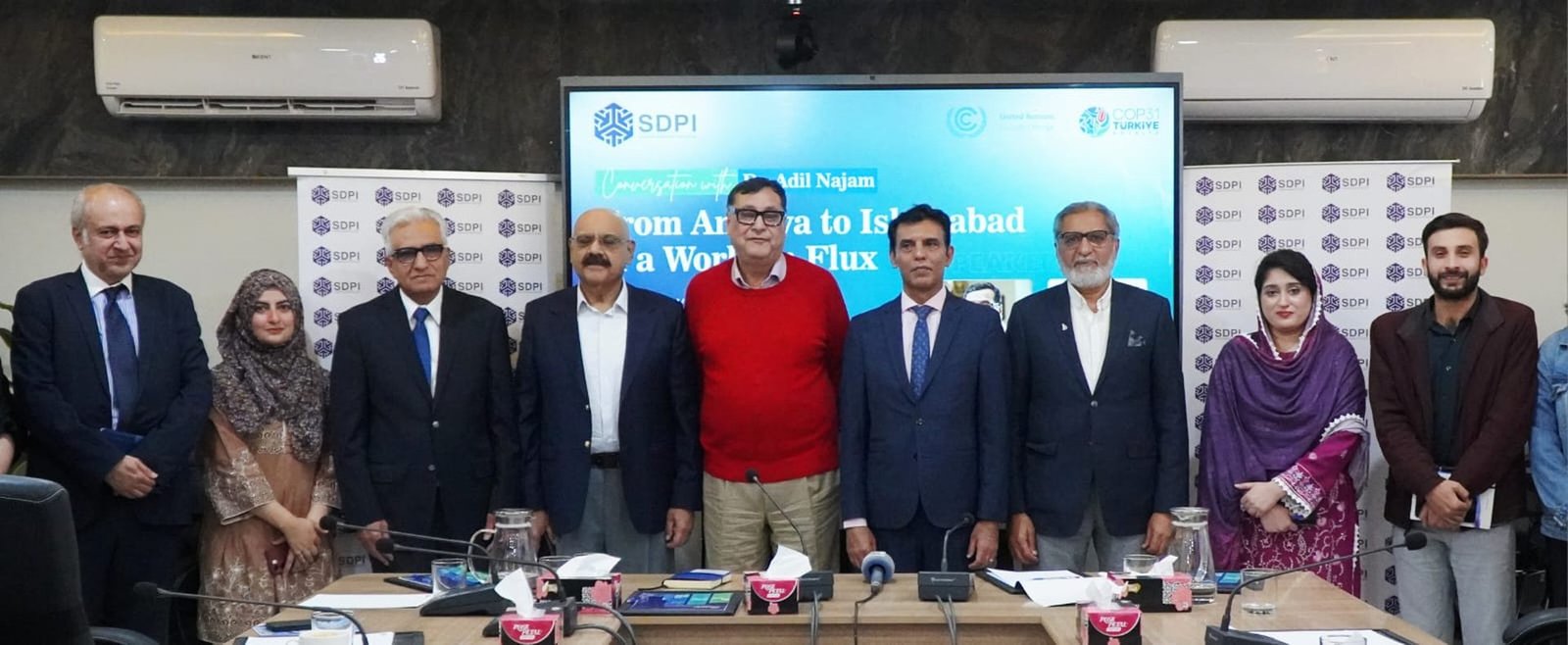
    Dr Najam was speaking at a special talk, “Conversation with Dr Adil Najam: From Antalya to Islamabad in a World in Flux,” organised by the Sustainable Development Policy Institute (SDPI) in Islamabad on Thursday.

    He argued that a successful Conference of the Parties (COP) is not simply one that ends with a signed document. The real question is whether an agreement carries meaningful substance. Many past COPs ended with papers that meant little, and in his view the Paris Agreement was the last outcome that amounted to a genuine legal document.

    Dr Najam urged participants to remember what a COP actually is: a Conference of the Parties to a legal framework convention. That legal character, he said, has been forgotten as the event has grown into a large public spectacle with too many spectators. The framework approach was designed so countries could build binding law step by step through protocols, without waiting for perfect science.

    He cautioned that calls to reform the process are not all equal. Some come from powerful countries that would rather see the multilateral, consensus-based system abandoned so major players can decide among themselves. He warned against that path, while acknowledging that the process is badly strained.

    Instead, Dr Najam suggested the parties should negotiate behind closed doors. Negotiators should be kept in a room for about a week, away from side events and outside drama, and not allowed to leave until they produce text, clause by clause. He also called for less forum shopping, so countries cannot move contested issues to whichever forum suits them, and for clarity about “implementation”: some use it to mean companies and technology flowing in, while others mean governments delivering what they promised. The second meaning, he said, is what matters. Consensus, he added, works only until it fails, and the system lacks an agreed fallback.

    He identified climate finance as the central problem behind recent COP outcomes. Although a loss and damage fund exists on paper, communities facing real losses are still selling livestock to repair their homes. Calling on developing countries to look at their own emissions rather than rely on the “one percent” argument, he said cuts by the United States, China, India, the European Union and the United Kingdom are essential, and that the “victim card” has limits.

    Earlier, SDPI Executive Director Dr Abid Qaiyum Suleri said the institute has made it a tradition for several years to close the climate season with a conversation with Dr Najam. He recalled the 2009 Copenhagen summit, where finance talks were overshadowed when a deal was negotiated among a handful of countries and announced before the wider body of parties had a chance to weigh in. Zainab Naeem, Associate Research Fellow and Head of Ecological Sustainability and Circular Economy at SDPI, opened the session by noting that reactions to the latest COP outcome were mixed: some saw a reasonable result, while others argued that no deal is better than a bad deal.
  • Dr Adil Najam calls for clear climate finance rules

    Dr Adil Najam calls for clear climate finance rules

    Dr Adil Najam, Dean Emeritus at the Frederick S. Pardee School of Global Studies at Boston University and President of WWF International, has called for a fundamental rethink of how United Nations climate conferences are run and judged, urging clearer decision-making rules and accountable climate finance.

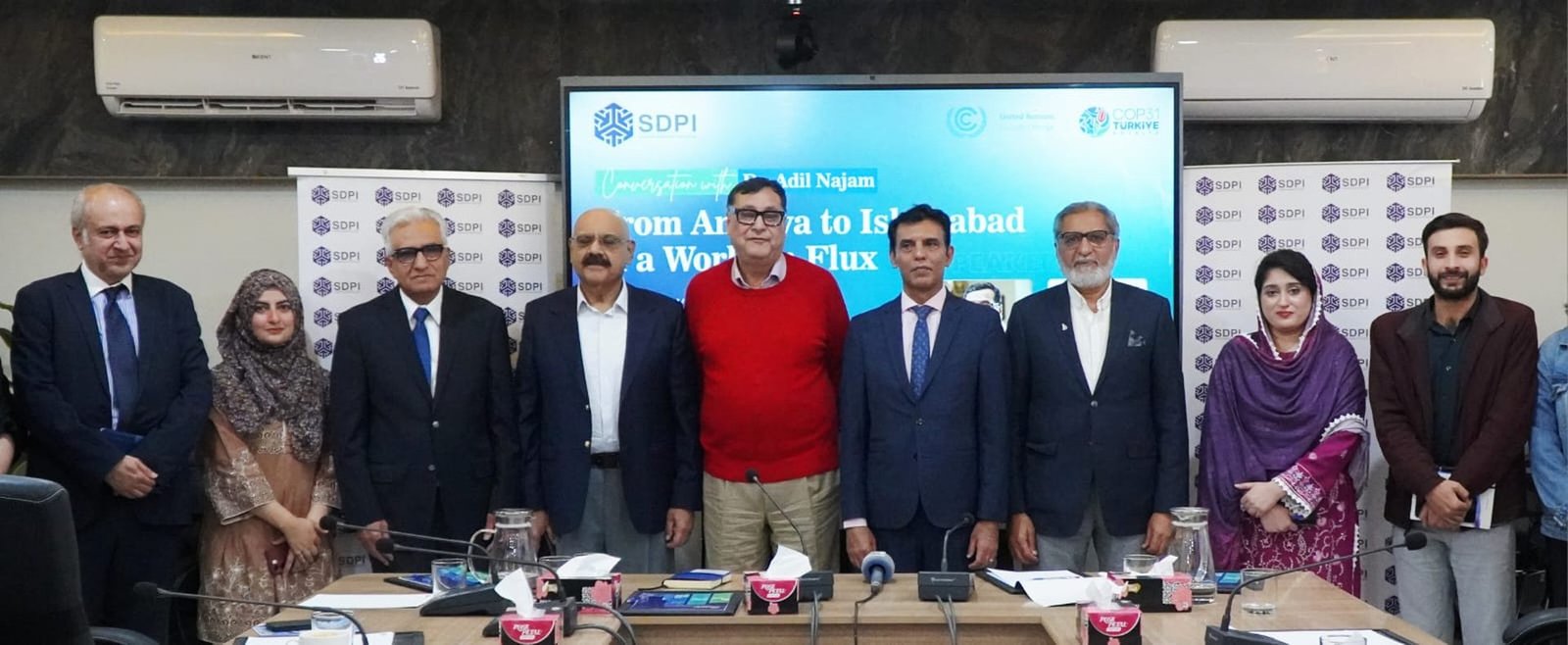
    Dr Najam was speaking at a special talk, “Conversation with Dr Adil Najam: From Antalya to Islamabad in a World in Flux,” organised by the Sustainable Development Policy Institute (SDPI) in Islamabad on Thursday.

    He argued that a successful Conference of the Parties (COP) is not simply one that ends with a signed document. The real question, he said, is whether an agreement carries meaningful substance. Many past COPs, he noted, ended with papers that meant little, and in his view the Paris Agreement was the last outcome that amounted to a genuine legal document.

    Dr Najam urged participants to remember what a COP actually is: a Conference of the Parties to a legal framework convention. That legal character, he said, has been forgotten as the event has grown into a large public spectacle with too many spectators. The framework approach was designed so that countries could build binding law step by step through protocols, without waiting for perfect science.

    He cautioned that calls to reform the process are not all equal. Some, he said, come from powerful countries that would rather see the multilateral, consensus-based system abandoned so that major players can decide among themselves. He warned against that path, while acknowledging that the process is badly strained.

    Instead, Dr Najam suggested that the parties should negotiate behind closed doors. Negotiators, he said, should be kept in a room for about a week, away from side events and outside drama, and not allowed to leave until they produce text, clause by clause. He compared this to locking lawyers in a room until a settlement is reached.

    He also called for a reduction in forum shopping, so that countries cannot move contested issues to whichever forum suits them. And he urged clarity about the word “implementation”: some use it to mean companies and technology flowing in, while others mean governments delivering what they promised. The second meaning, he said, is what matters. Consensus, he added, works only until it fails, and the system lacks an agreed fallback when it does.

    He identified climate finance as the central problem behind recent COP outcomes. Although a loss and damage fund exists on paper, he said, communities facing real losses are still selling livestock to repair their homes. Finance that is promised must reach the people who need it.

    Calling on developing countries to look at their own emissions rather than rely on the “one percent” argument, he said cuts by the United States, China, India, the European Union and the United Kingdom are essential, and that the “victim card” has limits. On the absence of fossil fuel language in recent outcomes, he said it was a proximate cause of failure but not one that worries him much: energy transition will happen for economic reasons, just as Pakistanis turned to solar panels, while oil and hydrocarbons will remain in use in various forms for decades.

    Earlier, in his welcome note, SDPI Executive Director Dr Abid Qaiyum Suleri said the institute has made it a tradition for several years to close the climate season with a conversation with Dr Najam, who reflects on what happened during the year and offers a preview of what lies ahead. He described Dr Najam’s attendance at this year’s COP, after a gap of several years, as a pleasant surprise. He recalled the 2009 Copenhagen summit, where talks on climate finance were overshadowed when a deal was negotiated among a handful of countries and announced before the wider body of parties had a chance to weigh in. This year’s COP, he said, saw the Marshall Islands stand to reject the outcome, which he described as entirely legitimate but one that opened a new debate: should decisions be taken by consensus, by a three-fourths majority, or by a simple majority? He noted that the rule of procedure on voting remains unresolved.

    Zainab Naeem, Associate Research Fellow and Head of Ecological Sustainability and Circular Economy at SDPI, opened the session by noting that reactions to the latest COP outcome were mixed. Some saw it as a reasonable result, while others argued that no deal is better than a bad deal, she said.

  • Pakistan Rejects Debt-Funded Climate Recovery at COP31

    Pakistan Rejects Debt-Funded Climate Recovery at COP31

    Pakistan has criticised the international climate finance system for failing to deliver on its commitments, arguing that climate-vulnerable developing countries cannot rebuild after disasters and meet their climate targets through additional borrowing, 24NewsHD reported on Tuesday.

    Federal Minister for Climate Change and Environmental Coordination Dr Musadik Malik said international assistance to developing countries had declined by 23 per cent in a single year, bringing it back to 2015 levels, despite repeated pledges at global climate negotiations to increase financing.

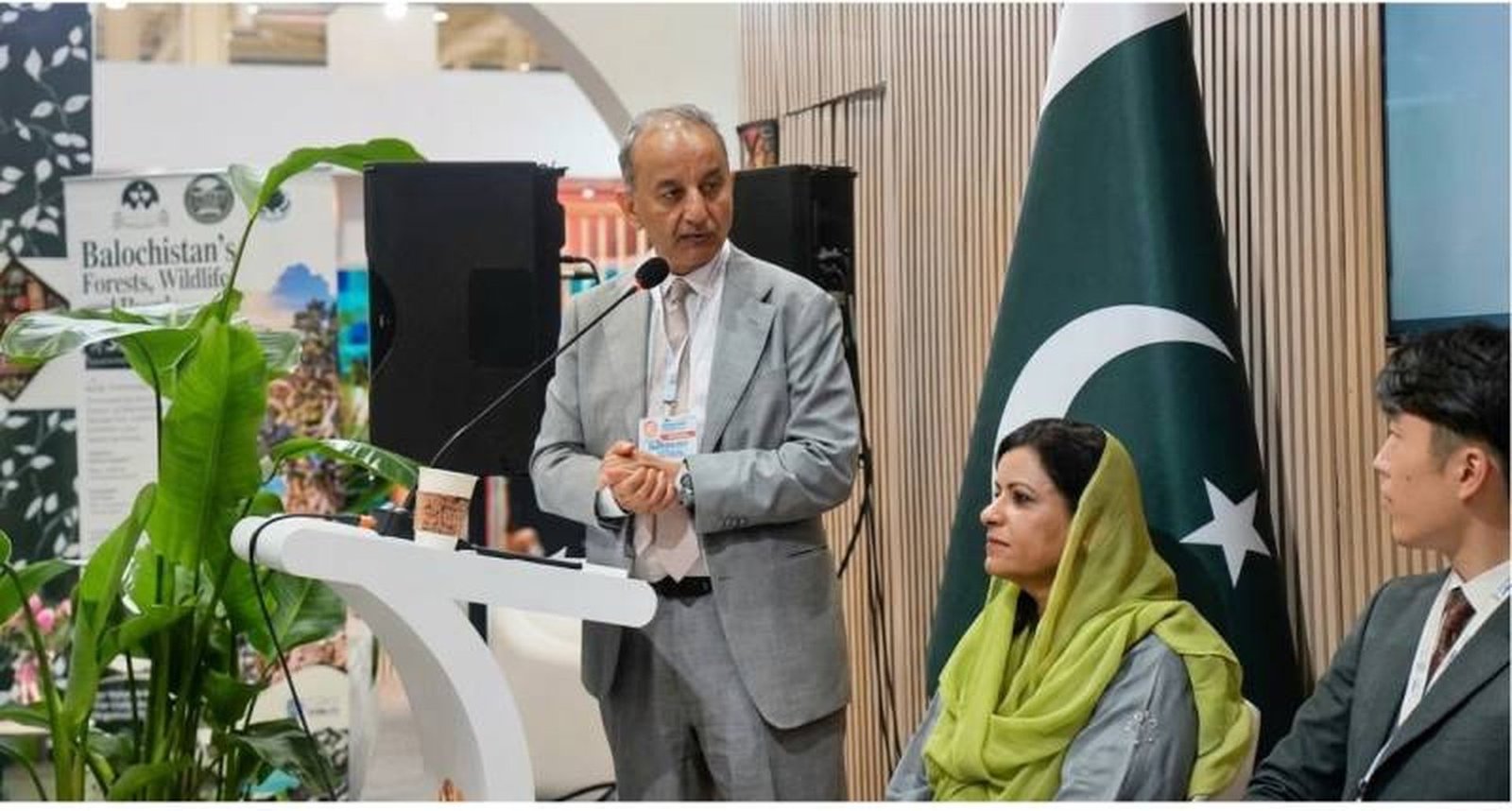
    Speaking at a session on debt-stressed, climate-vulnerable economies at the Pakistan Pavilion during COP31 in the Turkish city of Antalya, he questioned the credibility of international climate finance commitments, saying lengthy negotiations and ambitious financial targets had not translated into actual assistance.

    Criticising the promotion of green bonds, blended finance and other financing instruments, Dr Malik said these mechanisms largely involved borrowing rather than providing additional resources to countries already struggling with debt. “All these fancy words — green sukuk, blended finance, green bonds — these are debt instruments. Our shop is closed for debt,” he said.

    According to Business Recorder, Dr Malik noted that of the Rs16 trillion Pakistan collects, Rs8 trillion goes to debt servicing. He said that after the 2022 floods, which cost about 9 per cent of gross domestic product to rebuild, the world’s answer was $8 billion to $10 billion in repurposed loans.

    He added that of the Loss and Damage Fund, $822 million had been pledged and $422 million collected, but not one dime had reached affected communities.

    Prime Minister Shehbaz Sharif had also called for grant-based climate financing last week, saying vulnerable countries needed timely financial assistance that did not add to their debt burden. The COP31 UN Climate Change Conference is taking place from 9 to 20 November in Antalya, Türkiye.

  • COP31: Sherry Rehman Demands Fair Climate Finance

    COP31: Sherry Rehman Demands Fair Climate Finance

    Senator Sherry Rehman has warned that the world must move beyond empty promises and urgently build a fair and accessible climate-finance framework, so that developing countries can escape the cycle of disaster and debt. Speaking at the COP31 climate conference in Antalya, Türkiye, she said the conference must deliver real financial support for the countries bearing the worst of the climate crisis, not simply add to a long list of pledges.

    Senator Rehman praised Türkiye for hosting the conference and said its COP31 presidency is a chance to bridge the gap between developed and developing countries and restore trust in multilateral climate action. She said she hoped Antalya would turn climate solidarity into real financial commitments and meaningful decisions for affected nations, rather than stopping at new announcements.

    Fossil-fuel subsidies and the misuse of resources

    Citing a warning by the United Nations Secretary-General that fossil fuels should become history like the dinosaurs, Senator Rehman said governments cannot keep subsidising the industry driving the climate crisis while claiming there is no money for the countries it harms. She said the world can no longer tolerate the contradiction between climate promises and continued support for fossil fuels.

    Global fossil-fuel subsidies are estimated at about $7 trillion, according to the figures she cited — a deeply unfair and serious misuse of resources at a time when frontline countries are struggling to secure funds for basic adaptation, resilience and recovery. The real question, she said, is not whether the world has resources, but whether there is genuine political will to direct them in the right direction.

    Rising temperatures and a dangerous 2.7°C path

    Senator Rehman also warned that global temperatures are rising at a deeply worrying pace and that the goal of limiting warming to 1.5°C is slipping rapidly out of reach. According to the Climate Action Tracker, current policies put the world on course for around 2.7°C of warming by the end of the century, up from an earlier estimate of 2.6°C.

    She said the 2.7°C trajectory would have devastating consequences for countries like Pakistan, where climate extremes are already damaging daily livelihoods, food security, water availability and overall economic stability. She recalled that the devastating floods of 2022 directly affected 33 million people in Pakistan and caused losses of nearly $30 billion, while floods in 2025 caused an estimated $1 billion in damage to agriculture alone.

    The price of inaction, she warned, will be paid in human lives, displaced communities and development pushed back by decades.