Tag: Children

  • سوات میں لکڑی کے پل سے گر کر بچی جاں بحق، بچہ لاپتہ

    سوات میں لکڑی کے پل سے گر کر بچی جاں بحق، بچہ لاپتہ

    سوات کے علاقے بحرین میں ایک عارضی لکڑی کے پل سے گزرتے ہوئے دو بچے دریائے سوات میں گر گئے، جس کے نتیجے میں پانچ سالہ بچی ڈوب کر جاں بحق ہو گئی جبکہ دوسرا بچہ لاپتہ ہو گیا۔ یہ واقعہ ہفتے کے روز رپورٹ ہوا اور اس وقت پیش آیا جب بچے دریا کے اوپر بنے پل سے گزر رہے تھے۔

    واقعے کی تفصیلات کے مطابق یہ حادثہ بحرین کے علاقے آرین درال خوڑ میں پیش آیا، جہاں دونوں بچے اتفاقاً دریا میں گر گئے۔ بچے عارضی لکڑی کے پل سے گزر رہے تھے جب وہ نیچے بہتے پانی میں جا گرے۔

    واقعے کے بعد مقامی لوگوں نے پانچ سالہ کلثوم کی لاش دریا سے نکال لی۔ تیرہ سالہ سید رحمان ابھی تک لاپتہ ہے اور اسے تلاش کرنے کی کوششیں جاری ہیں۔

    ریسکیو 1122 کی واٹر ریسکیو ٹیم واقعے کے بعد موقع پر پہنچی اور لاپتہ بچے کو تلاش کرنے کے لیے سرچ آپریشن شروع کر دیا۔ ٹیم نے 13 سالہ لڑکے کی تلاش میں دریا میں سرچ شروع کی، جو پانی میں گرنے کے بعد سے نہیں مل سکا۔

    سرچ آپریشن اندھیرے کے باعث روک دیا گیا اور اتوار کو دوبارہ شروع ہوگا، جب ریسکیو ٹیمیں لاپتہ بچے کو تلاش کرنے کی کوششیں جاری رکھنے کے لیے دریا پر واپس آئیں گی۔ آپریشن میں یہ وقفہ اس وقت آیا جب دن کی روشنی ختم ہو گئی اور سرچ اگلے روز دوبارہ شروع کی جائے گی۔

    دونوں بچے بحرین کے علاقے میں دریائے سوات کے اوپر بنے عارضی لکڑی کے پل سے گزر رہے تھے جب یہ حادثہ پیش آیا۔ یہ پل ایک عارضی لکڑی کی ساخت کے طور پر بیان کیا گیا ہے اور بچے اسی راستے سے دریا عبور کر رہے تھے۔

    اس واقعے نے مقامی برادری کو غم میں مبتلا کر دیا ہے جبکہ ریسکیو ٹیمیں لاپتہ بچے کو تلاش کرنے کی کوششیں جاری رکھے ہوئے ہیں۔ علاقے کے لوگ لاپتہ لڑکے کی خبر کے منتظر ہیں جبکہ اس کی تلاش جاری ہے۔

    واقعے کے بعد سے ریسکیو ٹیمیں اور مقامی لوگ کوششوں میں شامل ہیں، مقامی لوگوں نے بچی کی لاش نکالی جبکہ ریسکیو 1122 کی ٹیم لاپتہ لڑکے کی تلاش کر رہی ہے۔ سرچ آپریشن اتوار کو دوبارہ شروع ہوگا جب واٹر ریسکیو ٹیم دریا میں اپنا آپریشن دوبارہ شروع کرے گی۔

  • Two Children Fall into Swat River Crossing Wooden Bridge

    Two Children Fall into Swat River Crossing Wooden Bridge

    A five-year-old girl drowned while another child went missing after the two fell into the Swat River while crossing a temporary wooden bridge in Bahrain, Swat. The incident was reported on Saturday, and it took place as the children were making their way across the bridge over the river.

    According to details of the incident, it took place in the Arian Darral Khwar area of Bahrain, where the two children accidentally fell into the river. The children were crossing the temporary wooden bridge when they fell into the water below.

    Local people recovered the body of five-year-old Kulsoom from the river after the incident. Thirteen-year-old Syed Rehman is still missing, and efforts are continuing to find him.

    Rescue 1122’s water rescue team reached the site after the incident and launched a search operation to find the missing child. The team began searching the river for the 13-year-old boy, who could not be found after falling into the water.

    The search operation was stopped due to darkness and will resume on Sunday, when rescue teams will return to the river to continue their efforts to locate the missing child. The pause in the operation came as daylight faded, leaving the search to be taken up again the next day. The team will return to the site in daylight to carry on searching the river for the missing child.

    The two children had been crossing the temporary wooden bridge over the Swat River in the Bahrain area when the accident happened. The bridge, described as a temporary wooden structure, was the route the children were using to cross the river at the time.

    The incident has left the local community in grief as rescue teams continue efforts to locate the missing child. People in the area are waiting for news of the boy, while the search for him goes on.

    Rescue teams and local people have been involved in the efforts since the incident, with locals recovering the girl’s body and the Rescue 1122 team carrying out the search for the missing boy. The search will continue on Sunday, when the water rescue team resumes its operation in the river. The search will go on until the missing child is located.

  • Kids Aren’t More Creative Than Adults, Just More Confident

    Kids Aren’t More Creative Than Adults, Just More Confident

    Children are widely thought to be naturally more creative than adults. A new study suggests that belief is wrong, or at least far too simple. Adults performed better on creativity tests, the researchers found, while children simply approached the tasks with more confidence and joy.

    The study, published on 21 October 2026 in the journal PLOS One, was carried out by researchers at the University of Graz in Austria, led by Janika Saretzki with senior author Mathias Benedek. It brought together 92 preschool children aged between four and seven and 70 adults, mostly in their twenties, with an average age of 25, and gave both groups the same three creative tasks.

    First, everyone had three minutes to think of as many creative uses as possible for a simple tin can. Then they had about eight minutes to draw freely with coloured pens on blank paper. Finally, they were given eight more minutes to invent and draw a fantasy animal that does not exist. Afterwards, each person reflected on how confident, anxious and motivated they had felt, and how much they had enjoyed the activities.

    Trained raters judged the finished work without knowing whether a child or an adult had made it. Across all three tasks, the adults were rated as more novel, more effective and more creative overall than the preschoolers. In the tin can task, adults scored 3.9 out of 5 on average, against 2.9 for the children. One adult suggested using a tin can as a Halloween candy box while on a diet, while some children suggested using it as a rattle.

    Where the children clearly came out ahead was in how they felt about creating. They scored their own work at 4.8 and 4.6 out of 5 for confidence on the two drawing tasks, compared with 2.8 and 3.3 for the adults. The children also reported more motivation, less anxiety and greater enjoyment than the grown-ups, and they said they took part in creative activity about once a day, against about once a week for the adults.

    There was a striking twist in the results. More than three quarters of the adults in the study believed that preschool children were more creative than they were. The researchers suggest this comes from mistaking children’s enthusiasm and confidence for greater ability. As Benedek put it, adults care more about how others might judge their ideas, while children simply get on with making things.

    The researchers were careful about the limits of their work. The study compared only two age groups at a single point in time, so it cannot show how creativity changes across a whole lifetime. Even so, the authors say the popular idea that children are more creative than adults turns out to be overly simplistic: adults came up with more original and effective ideas, but preschoolers were more confident, more motivated and enjoyed the creative tasks more. The findings were reported by CNN on 11 November 2026.

  • Mystery Illness Kills Five Children of One Family in Khyber

    Mystery Illness Kills Five Children of One Family in Khyber

    Five children from a single family have died after falling ill with a mysterious disease in Khyber district, while two other children from the same household are being treated in hospital in Peshawar.

    Seven children of Shah Ji, a resident of Qaziano Kalay in Bazaar Zakha Khel tehsil, fell ill within a short period. Five of them, three girls and two boys, all under the age of five, died on the way to hospitals in Peshawar.

    The two surviving children are receiving treatment at Hayatabad Medical Complex in Peshawar, where doctors are monitoring their condition.

    According to initial reports, medical tests carried out so far have not identified the cause of the illness, and health officials say the reason for the sudden sickness remains unknown.

    Deputy Commissioner Khyber Shahid Ali said a special team of the district administration acted quickly to shift the children to Peshawar for treatment after the family reported the illness.

    The deaths have caused grief and alarm in the area, with residents calling on health authorities to investigate the cause urgently and to take steps to protect other children in the village.

    Officials say samples have been collected and further tests are under way, and the district administration is in contact with health teams to trace the source of the illness.

    Health officials say that when the cause of a sudden illness is unknown, samples are usually sent to laboratories for detailed testing, while medical teams visit the affected area to check water, food and other possible sources. Such investigations can take time, and officials have urged residents not to speculate until results are available.

    The district administration said it was monitoring the condition of the two surviving children closely and that medical staff at Hayatabad Medical Complex were providing them with full care. Families in the area have been advised to seek medical help immediately if any child shows similar symptoms.

    Local residents have asked the authorities to send a medical team to the village to examine other children and to ensure that clean drinking water and basic health facilities are available. Officials said a health team would visit the area as part of the investigation.

  • 24 Million Children Vaccinated in Polio Campaign

    24 Million Children Vaccinated in Polio Campaign

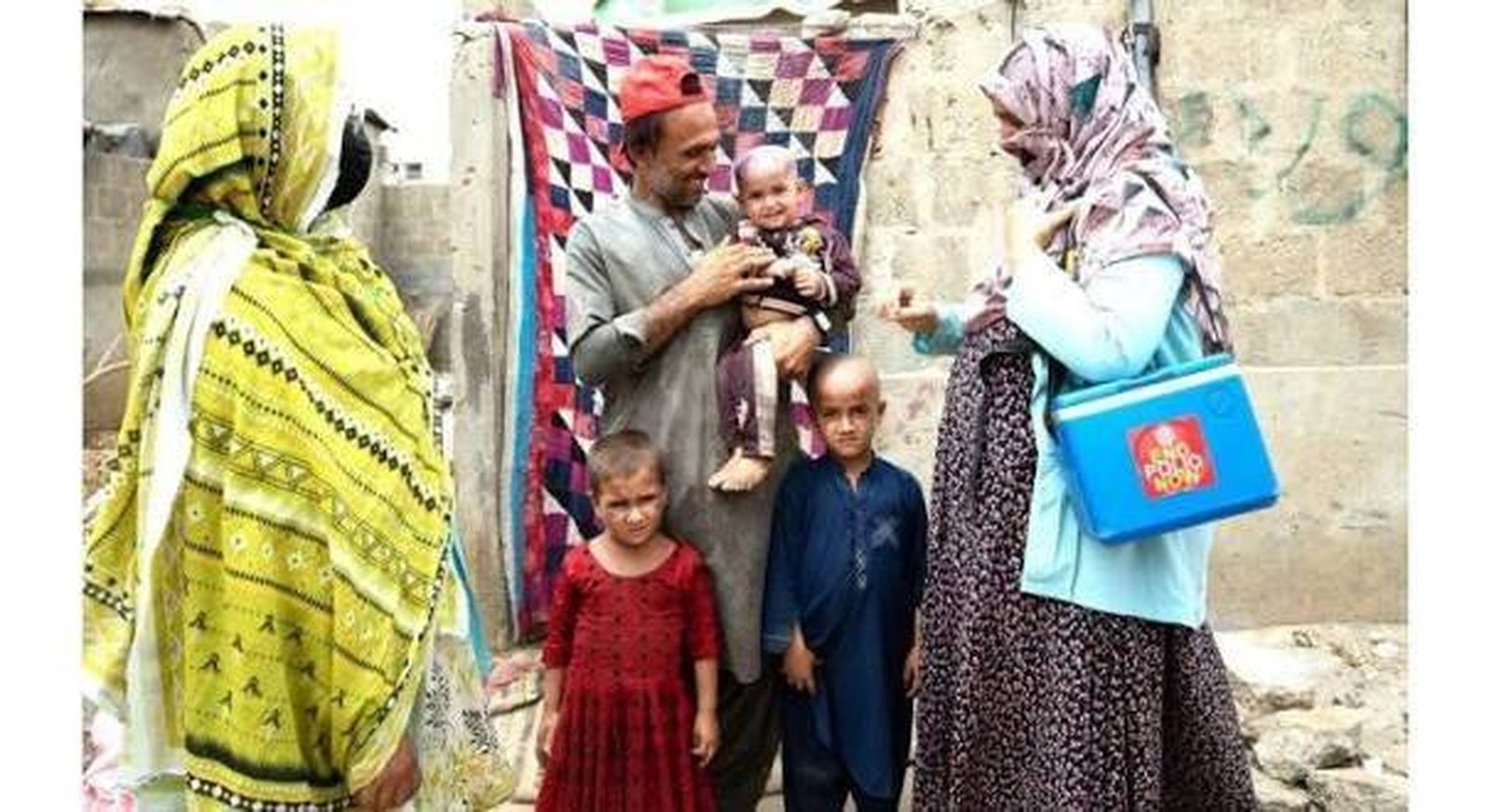
    More than 24 million children under the age of five have been vaccinated in a nationwide polio campaign that ended on Sunday, health officials said. The six-day drive, which began on 2 November 2026, covered 97 selected districts across the country and was carried out by more than 200,000 workers.

    Punjab led the count with 9,126,000 children vaccinated, followed by Sindh with 7,019,000. In Khyber Pakhtunkhwa, 4,673,000 children received the vaccine, while Balochistan recorded 2,212,000. In the federal capital, more than 450,000 children were covered, along with more than 161,000 in Gilgit-Baltistan and about 192,000 in Azad Jammu and Kashmir.

    Health Minister Mustafa Kamal called the campaign “a huge success” and said “Pakistan has won a crucial battle in the war against polio.” Health officials said nine polio cases had been reported in 2026 so far, which they described as a clear sign of the campaign’s success.

    The scale of the operation was considerable. More than 200,000 workers took part in the drive, moving from district to district over six days to reach children in homes, schools and communities across the country. The campaign’s final day fell on 8 November, bringing the nationwide effort to a close.

    The figures reported by the health authorities show coverage in every part of the country, from the largest provinces to the smaller regions. Punjab, the most populous province, accounted for the largest share of vaccinations, while the campaign also reached children in Islamabad, Gilgit-Baltistan and Azad Jammu and Kashmir.

    Officials pointed to the low number of cases reported this year as evidence that the vaccination effort is working. With only nine cases recorded in 2026 so far, they said the campaign had delivered a significant result in the continuing fight against the disease, and they described the outcome as a crucial victory for the country’s public health effort.

    The campaign was one of the largest health drives of the year, and its completion marks the end of a week of intensive vaccination work. Health workers will now turn to follow-up and monitoring, as officials assess the full results of the drive and plan the next steps in the effort to keep polio cases down.

  • Actually, You’re Fine: Stop Over-Diagnosing Your Kids

    Actually, You’re Fine: Stop Over-Diagnosing Your Kids

    For many modern parents, an ordinary child no longer seems quite good enough. Every quirk invites a search, every struggle invites a label, and every label invites a plan. In her new book, “Actually, You’re Fine”, clinical neuropsychologist Katie S. Davis argues that this rush to perfect children is doing more harm than good — and that most children, left to themselves, turn out just fine.

    Davis, a child development expert based in Manhattan, says diagnoses of learning disorders, attention deficit hyperactivity disorder (ADHD) and autism spectrum disorder have risen sharply over the past few decades. Some of that rise reflects genuine progress: greater awareness, better identification and less stigma. But Davis told CNN that the increase is being driven largely by mild cases — children on the edge of what counts as normal — and by what she calls “concept creep”, the steady blurring of the line between ordinary behaviour and disorder.

    She is not questioning whether these conditions are real. Her whole career, she says, is built on studying neurodevelopmental disorders and supporting the children who have them. Her concern is what happens when the label spreads too widely. When every child in a class is said to have ADHD, she argues, it becomes harder for the child who genuinely has it to be taken seriously — and the time, professional attention, money and space those children need gets spread too thin.

    A diagnosis, in her view, can also change how a child sees themselves. Being told there is something wrong that must be fixed can limit a child’s sense of what they are capable of, and of how much control they have over their own future. There are practical costs too: a child who does not really need speech therapy spends that time in sessions instead of playing football, going to day camp, doing homework or meeting friends — and the family pays for it.

    None of this means diagnoses are useless. Davis says they matter for two clear reasons: they unlock services and support at school and payment for therapy, and they give professionals — and families — a shared language for a child’s difficulties. A diagnosis can also bring relief and community. The problem, she says, is a world in which a struggle only feels real once it has a medical name attached to it.

    So where does the pressure come from? Davis points to a culture that trusts brain scans more than teachers, to the college race that tells parents a child’s whole future depends on getting everything right early, and to an internet full of experts — many with something to sell — offering conflicting advice that leaves parents feeling they do not know what they are doing. Her own example is close to home: her son, who is almost three, walks with his toes pointed inwards. She could start early physical therapy, or she could wait, as his paediatrician suggests he will probably grow out of it. Both choices are reasonable, she says — and parents have to learn to live with not knowing which is right. Most children, she notes, end up somewhere in the middle. And that, she insists, is perfectly fine.

  • Polio drive to vaccinate 24 million children

    Polio drive to vaccinate 24 million children

    Pakistan has launched a fresh sub-national polio vaccination campaign aimed at protecting around 24 million children in 97 high-risk districts across the country. The drive was formally launched on Friday at the National Emergency Operations Centre for Polio Eradication in Islamabad, where Federal Minister for National Health Services Syed Mustafa Kamal administered the first drops of the campaign.

    The campaign will run from November 2 to 8, during which more than 200,000 frontline polio workers will go door to door to vaccinate children under the age of five. It is the fifth large-scale polio campaign of 2026 and the third sub-national drive of the year, reflecting the intensity of the country’s continuing eradication effort.

    According to the campaign plan, Punjab will cover 13 districts with a target of 9.278 million children, while Sindh will vaccinate 6.883 million children in 20 districts. Khyber Pakhtunkhwa will cover 27 districts, targeting 4.808 million children, and Balochistan will cover 31 districts with a target of 2.217 million children.

    In addition, more than 447,000 children will be vaccinated in Islamabad, while the campaign will cover three districts in Gilgit-Baltistan, targeting 153,000 children, and two districts in Azad Jammu and Kashmir, targeting 183,000 children. The overall national target is around 23.9 million children.

    The campaign will run simultaneously in Pakistan and Afghanistan with cross-border coordination, an important step given the movement of people between the two countries. Health officials say repeated vaccination rounds remain essential because every missed child can keep the virus in circulation.

    Addressing the launch ceremony, the health minister expressed confidence that Pakistan could become polio-free by June next year, reaffirming the government’s commitment to eradicating the disease. He urged parents to cooperate with vaccination teams and to ensure that children receive the drops during every round, even if they have been vaccinated before.

    Polio is a highly infectious viral disease that mainly affects children under the age of five and can cause lifelong paralysis. There is no cure, but vaccination can prevent infection, which is why health authorities stress the importance of reaching every child in the targeted districts.

    Pakistan has made major progress since the launch of its national eradication programme in 1994. Programme figures show that cases have fallen from an estimated 20,000 that year to 31 in 2025 and seven so far in 2026, a reduction of 99.8 per cent. Officials credit sustained vaccination rounds, improved surveillance and the work of frontline teams for the decline.

    Despite the progress, health officials caution that the final stage of eradication is often the hardest. High-risk districts have been selected for this round precisely because they are the areas where the virus is most likely to persist, and where access, awareness and follow-up need the most attention.

    Parents are being asked to welcome vaccination teams, to keep children available at home during the campaign days, and to report any child who may have been missed. Health authorities say the cooperation of families and communities will decide whether this round brings the country closer to its goal of a polio-free Pakistan.

  • پولیو مہم کی تیاریوں کا نیوک میں جائزہ

    پولیو مہم کی تیاریوں کا نیوک میں جائزہ

    وفاقی سیکرٹری برائے قومی صحت خدمات مومن آغا نے جمعرات کو پولیو کے خاتمے کے قومی ایمرجنسی آپریشنز سینٹر کا دورہ کیا اور جاری کوششوں کا جائزہ لیا۔ اس دورے کا مقصد آئندہ پولیو ویکسینیشن مہم کی تیاریوں کا جائزہ لینا اور ملک بھر میں ویکسینیشن کی کوریج کو مزید مضبوط بنانے کے اقدامات پر غور کرنا تھا۔

    دورے کے دوران مومن آغا کو نیوک کی ٹیم نے تفصیلی بریفنگ دی، جس میں ملک میں پولیو کی موجودہ صورتحال، خاتمے کی سرگرمیوں میں پیش رفت، عملی منصوبہ بندی اور ویکسینیشن کی کوریج بہتر بنانے کے اقدامات شامل تھے۔ بریفنگ میں آئندہ مہم کی تیاریوں پر بھی بات ہوئی، جن میں وفاقی اور صوبائی صحت حکام کے درمیان رابطہ، فرنٹ لائن ویکسینیشن ٹیموں کی تیاری اور اس بات کو یقینی بنانے کی حکمت عملی شامل ہے کہ ہر اہل بچے کو پولیو کے قطرے پلائے جائیں۔

    نگرانی، احتساب اور عوامی اعتماد

    مومن آغا نے پولیو کے خاتمے کے لیے حکومت کے عزم کا اعادہ کیا اور کہا کہ قومی ہدف کے حصول کے لیے مربوط کوششیں، مؤثر نگرانی اور ہر سطح پر احتساب ضروری ہے۔ انہوں نے عملی چیلنجز سے نمٹنے، کمیونٹیز کو ساتھ ملانے اور عوامی اعتماد پیدا کرنے کی اہمیت پر زور دیا، تاکہ ویکسینیشن مہمات کامیاب ہوں، خاص طور پر ان علاقوں میں جہاں بچوں کو پولیو وائرس کا خطرہ بدستور موجود ہے۔

    انہوں نے متعلقہ فریقوں کے درمیان تعاون مضبوط بنانے اور جامع منصوبہ بندی، مؤثر عملدرآمد اور مسلسل نگرانی کے ذریعے پولیو سے پاک پاکستان کے لیے کوششیں جاری رکھنے کے عزم کا بھی اعادہ کیا۔ حکام کے مطابق معمول کی حفاظتی ویکسینیشن کو مضبوط بنانا بھی اتنا ہی ضروری ہے، کیونکہ بچوں کو پولیو اور دیگر قابل انسداد بیماریوں سے بچانے کے لیے مسلسل ویکسینیشن کوریج اور صحت کی خدمات کی بہتری ناگزیر ہے۔

    پولیو کے خاتمے کا پروگرام پاکستان میں برسوں سے جاری ہے اور اس میں ہزاروں فرنٹ لائن کارکن گھر گھر جا کر بچوں کو قطرے پلاتے ہیں۔ نیوک کے مطابق آئندہ مہم 2 سے 8 نومبر 2026 تک 97 اضلاع میں چلائی جائے گی، جس میں تقریباً دو کروڑ چالیس لاکھ بچوں کو ویکسین پلانے کا ہدف ہے۔ یہ مہم ان علاقوں پر مرکوز ہے جہاں وائرس کی گردش کا خطرہ زیادہ ہے، اور اس کا مقصد کسی بھی بچے کو ویکسین سے محروم نہ رہنے دینا ہے۔ صحت حکام کا کہنا ہے کہ والدین کا تعاون، درست معلومات اور مقامی سطح پر نگرانی مہم کی کامیابی میں فیصلہ کن کردار ادا کرتے ہیں، اور ہر دور میں قطرے پلانا ضروری ہے چاہے بچے کو پہلے بھی قطرے پلائے جا چکے ہوں۔