Tag: Britain

  • برطانوی معیشت 0.7 فیصد بڑھ گئی، دو سال کی تیز ترین ترقی

    برطانوی معیشت 0.7 فیصد بڑھ گئی، دو سال کی تیز ترین ترقی

    برطانیہ کی معیشت جولائی تا ستمبر 2026 کی سہ ماہی میں 0.7 فیصد بڑھی، جو دو سال سے زائد عرصے میں تیز ترین سہ ماہی ترقی ہے۔ یہ بات جمعرات کو جاری سرکاری اعداد و شمار میں بتائی گئی۔

    آفس فار نیشنل اسٹیٹسٹکس کے مطابق تیسری سہ ماہی میں مجموعی ملکی پیداوار میں 0.7 فیصد اضافہ ہوا، جو دوسری سہ ماہی کے 0.5 فیصد سے زیادہ ہے۔ یہ 2024 کی پہلی سہ ماہی کے بعد کسی بھی کیلنڈر سہ ماہی کی سب سے مضبوط ترقی ہے اور رائٹرز کے ماہرین معاشیات کے سروے کی اوسط پیش گوئی کے مطابق ہے۔

    سالانہ بنیاد پر بھی ترقی میں تیزی آئی۔ معیشت گزشتہ سال کی اسی سہ ماہی کے مقابلے میں 1.9 فیصد بڑی تھی، جو 2024 کی چوتھی سہ ماہی کے بعد سب سے مضبوط سالانہ شرح ہے اور رائٹرز کے سروے کی پیش گوئی کے مطابق بھی ہے۔ تین ماہ کی مسلسل بنیاد پر ترقی مئی کے بعد سب سے تیز رہی۔

    یہ اعداد و شمار سال کی مضبوط پہلی ششماہی کو آگے بڑھاتے ہیں اور ایران جنگ کے آغاز کے بعد سست روی کی پیش گوئیوں کو غلط ثابت کرتے ہیں۔ مصنوعی ذہانت میں سرمایہ کاری نے بہتری میں مدد کی، اور شماریاتی ادارے نے مصنوعی ذہانت سے متعلق صنعتوں میں وسیع مضبوطی کی طرف اشارہ کیا۔

    ٹیکنالوجی سے متعلق اخراجات کی اس حمایت نے تیسری سہ ماہی کو اس کمزور کارکردگی سے مختلف شکل دی جس کی بہت سے پیش گوئی کرنے والوں کو توقع تھی۔ رفتار کھونے کے بجائے معیشت نے موسم گرما کے مہینوں میں رفتار پکڑی اور 2026 کی پہلی ششماہی میں درج ترقی پر مزید اضافہ کیا۔

    بین الاقوامی سطح پر بھی کارکردگی مضبوط رہی۔ تیسری سہ ماہی میں برطانوی ترقی گروپ آف سیون کی ترقی یافتہ معیشتوں میں دوسری تیز ترین تھی، جو صرف امریکا سے پیچھے تھی۔ رواں سال اب تک کی ترقی 2017 کے بعد سب سے مضبوط ہے، اگر وبا کے بعد کی بحالی کو شمار نہ کیا جائے۔

    آنے والے دنوں کا منظرنامہ بھی بہتر ہوا ہے۔ بینک آف انگلینڈ کو اب توقع ہے کہ رواں سال مجموعی ملکی پیداوار میں 1.6 فیصد اضافہ ہوگا، جو 28 اکتوبر کو وزیر خزانہ جان ہیلی کے بجٹ کے بعد حکومت کے آفس فار بجٹ رسپانسبلٹی کی 1.2 فیصد کی پیش گوئی سے کہیں زیادہ مضبوط ہے۔ اس بجٹ کی پیش گوئی میں حالیہ مضبوط جی ڈی پی اعداد و شمار اور ماضی کے اعداد میں اوپر کی جانب نظرثانی کو شامل نہیں کیا گیا تھا۔

    گھرانوں اور کاروبار کے لیے یہ اعداد و شمار بتاتے ہیں کہ معیشت خدشات سے بہتر کارکردگی دکھا رہی ہے، اور موسم گرما میں پیداوار میں اضافہ ہوا۔ ترقی اتنی وسیع تھی کہ سالانہ شرح تقریباً دو سال میں سب سے بلند ہو گئی، حالانکہ دنیا بھر میں جنگیں، مہنگائی اور دیگر دباؤ توجہ کے لیے مقابلہ کرتے رہے۔

    تیسری سہ ماہی کے اعداد و شمار جولائی، اگست اور ستمبر کا احاطہ کرتے ہیں، اور آنے والے مہینوں میں ان پر گہری نظر رکھی جائے گی کہ آیا یہ رفتار سال کی آخری سہ ماہی تک برقرار رہ سکتی ہے۔

  • UK Economy Grows 0.7% in Fastest Quarter Since 2024

    UK Economy Grows 0.7% in Fastest Quarter Since 2024

    Britain’s economy grew by 0.7 percent in the three months from July to September 2026, its fastest quarterly growth in more than two years, according to official figures published on Thursday.

    The Office for National Statistics said gross domestic product expanded by 0.7 percent in the third quarter, up from growth of 0.5 percent in the second quarter. It was the strongest calendar-quarter expansion since the first quarter of 2024, and it matched the median forecast in a Reuters poll of economists.

    On an annual basis, growth also picked up. The economy was 1.9 percent larger than in the same quarter a year earlier, the strongest annual reading since the fourth quarter of 2024, and again in line with the Reuters poll forecast. On a rolling three-month basis, growth was the fastest since May.

    The figures extend a strong first half of the year and defied predictions of a slowdown made after the Iran war began. Investment in artificial intelligence helped drive the improvement, with the statistics office pointing to widespread strength in industries that may be related to artificial intelligence.

    That support from technology-related spending gave the third quarter a different shape from the weaker performance many forecasters had expected. Instead of losing momentum, the economy gathered pace through the summer months, building on the growth recorded in the first half of 2026.

    In international terms, the performance was also strong. British growth in the third quarter was the second-fastest among the Group of Seven advanced economies, just behind the United States. Growth so far this year has been the strongest since 2017, excluding the rebound that followed the pandemic, according to analysis of the figures.

    The outlook has also improved. The Bank of England now expects gross domestic product to expand by 1.6 percent this year, much stronger than the 1.2 percent forecast by the government’s Office for Budget Responsibility after finance minister John Healey’s budget on October 28. That budget forecast did not factor in some of the recent stronger GDP data and upward revisions to past numbers.

    For households and businesses, the figures suggest an economy that is holding up better than feared, with output rising across the summer. The growth was broad enough to lift the annual rate to its highest in almost two years, even as wars, inflation and other pressures continued to compete for attention around the world.

    The third-quarter figures cover July, August and September, and they will be watched closely in the coming months for signs of whether the pace can be sustained into the final quarter of the year.

  • US Soldier Held in UK on Suspicion of Spying for Russia

    US Soldier Held in UK on Suspicion of Spying for Russia

    A senior member of the United States Army has been arrested in Britain on suspicion of spying for Russia, British counter-terrorism police said on Tuesday. The 41-year-old man, whose name has not been released, was detained near Gloucester in the west of England and is being held at a police station in London.

    The soldier was arrested on suspicion of offences under sections 1 and 3 of the National Security Act 2023, which cover obtaining or disclosing protected information and assisting a foreign intelligence service. Police said the country to which the allegations relate is Russia, and that searches were carried out at two locations in Gloucestershire. No charge has been filed.

    The BBC reported that the soldier was based at Imjin Barracks in Innsworth, Gloucestershire, the headquarters of NATO’s Allied Rapid Reaction Corps, a multinational formation designed to respond quickly to crises. Police have not publicly confirmed the posting, although a senior NATO official confirmed to American media that the serviceman was assigned to the corps. No details of his role have been released.

    A joint investigation, and a denial from Moscow

    Deputy Assistant Commissioner Vicki Evans, Britain’s senior national coordinator for Counter Terrorism Policing, said the arrest and investigation were the result of close collaboration between UK and US authorities, and that the investigation was very much ongoing. FBI Director Kash Patel thanked British police and intelligence agencies, describing the case as an important arrest involving allegations of espionage of the utmost concern to the United States and its allies.

    Brigadier General Sean Stinchon, commanding general of the US Army’s Counterintelligence Command, said the alleged conduct of a senior soldier entrusted with sensitive information was a sobering reminder that insider threats are real and persistent. The Pentagon referred questions to the US Army, which did not immediately respond.

    On Wednesday, Kremlin spokesman Dmitry Peskov denied any Russian involvement, saying Moscow did not know what the arrest was connected to and had nothing to do with it. The allegations remain unproven, and police said the investigation was not linked to any other ongoing counter-terrorism inquiry.

    The case is the latest espionage allegation involving suspected Russian agents in Britain, a close ally of Ukraine, which Russia invaded in 2022. Relations between London and Moscow were frosty long before the war, marred by the poisoning of former Russian spy Alexander Litvinenko in London in 2006 and the attempted poisoning of double agent Sergei Skripal in Salisbury in 2018. In September, a British man appeared in court in London over allegations that he was preparing to sabotage a drone factory on behalf of Russian military intelligence. Reports described the arrest as believed to be the first time a serving US soldier has been suspected of spying for a foreign government while in Britain.

  • Burnham admits 10-year Britain plan may slip to January

    Burnham admits 10-year Britain plan may slip to January

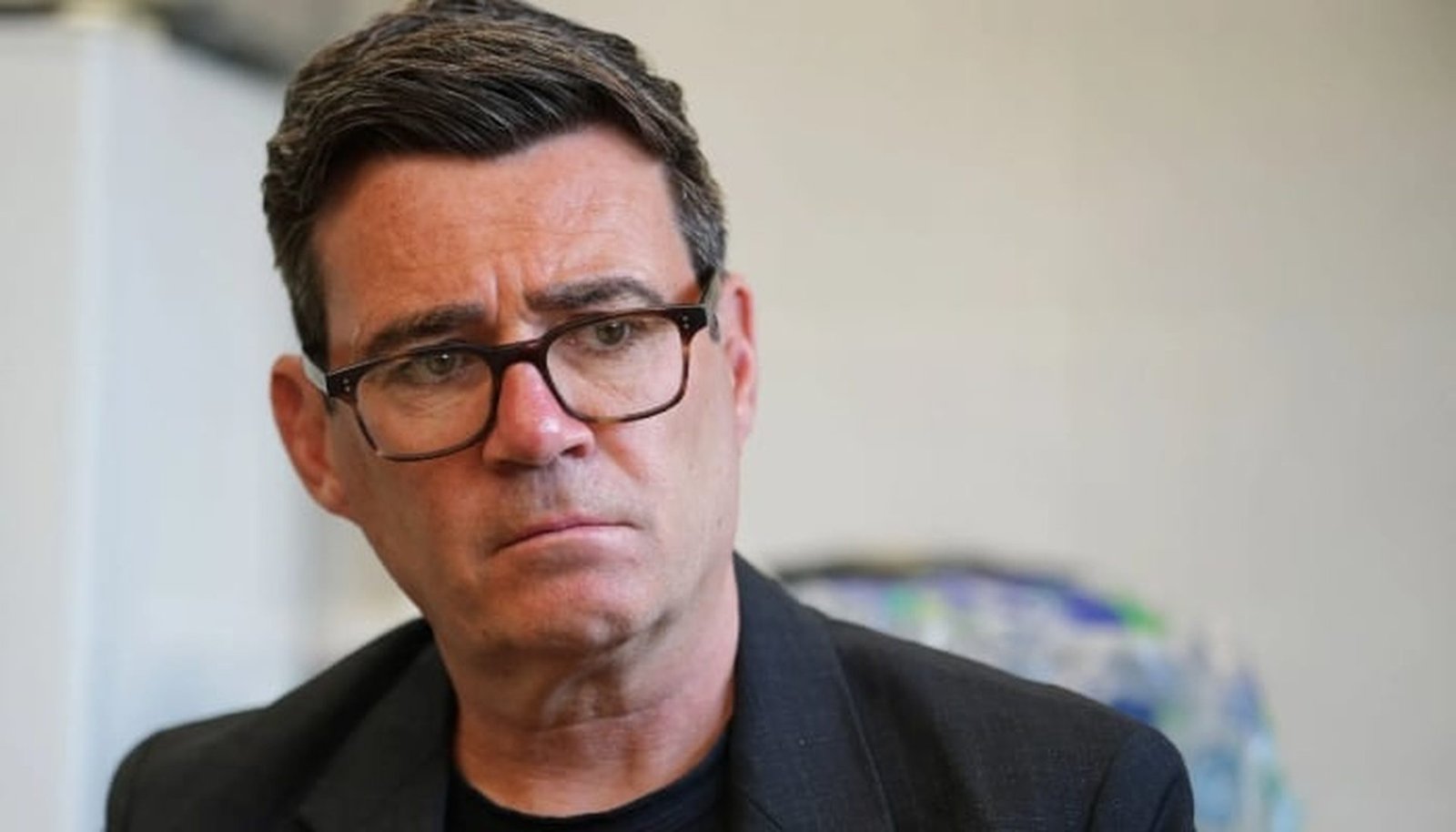
    British Prime Minister Andy Burnham has admitted that his long-awaited 10-year plan for Britain could be delayed until January 2027, despite initially promising to unveil it before the end of this year.

    Speaking to The Economist, Burnham said the government had not finalised a launch date for its flagship policy programme. “We may go into the new year, to be honest … December or January, I think we will need to leave that open,” he said.

    Burnham first announced the plan when he became Prime Minister in July, promising to outline a long-term vision for the country. The document is expected to set out the government’s major policy priorities.

    Some key announcements were reportedly held back from the recent Budget, adding to the expectation that the plan would carry the government’s main policy agenda for the years ahead.

    There are concerns over whether the plan will deliver detailed proposals or simply begin another consultation. Critics have questioned whether the document will contain concrete policies or mark the start of a longer discussion process.

    According to the New Statesman, the initial announcement could involve a shorter document, followed by six to nine months of discussions with the public, experts and government departments.

    Burnham rejected suggestions that the plan will lack substance, insisting it will present a clear and comprehensive vision for the country.

    The government has yet to confirm when the document will be published, and the Prime Minister’s remarks leave both December and January open as possible dates.

    The delay, if it happens, would push the flagship programme into the new year, several months after Burnham first promised it when he took office in July.

    The plan is one of the most closely watched items on the government’s agenda, with supporters and critics alike waiting to see how detailed its proposals will be.

    For now, the timing remains uncertain. Burnham’s comments to The Economist are the clearest indication yet that the end-of-year target may slip, with January 2027 now a real possibility.

    Whether the document arrives as a full programme or as a shorter paper followed by months of consultation is also unclear, and the government has given no firm date for its publication.

    The coming weeks will show whether the plan is ready before Christmas or whether, as the Prime Minister suggested, it will have to wait until the new year.