Tag: BISP

  • 45 سال کی غیر شادی شدہ خواتین بھی بی آئی ایس پی میں شامل

    45 سال کی غیر شادی شدہ خواتین بھی بی آئی ایس پی میں شامل

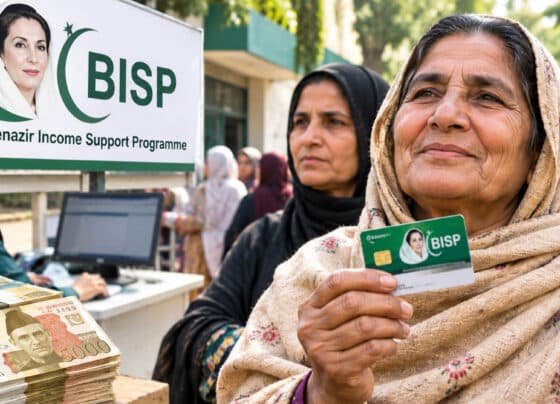
    بینظیر انکم سپورٹ پروگرام (بی آئی ایس پی) کے بورڈ نے 45 سال اور اس سے زائد عمر کی غیر شادی شدہ خواتین کو مقررہ اہلیت کے معیار پورا کرنے پر پروگرام کی مالی امداد میں شامل کرنے کی منظوری دے دی ہے۔ بی آئی ایس پی کی چیئرپرسن سینیٹر روبینہ خالد نے پیر، 16 نومبر 2026 کو لاہور میں پریس کانفرنس کے دوران اس فیصلے کا اعلان کیا۔

    اعلان کے مطابق پروگرام اس وقت ملک بھر میں ایک کروڑ سے زائد مستحق خاندانوں کی مدد کر رہا ہے، جن میں سے تقریباً 50 لاکھ کا تعلق پنجاب سے ہے۔ 45 سال اور اس سے زائد عمر کی غیر شادی شدہ خواتین کو شامل کرنے سے پروگرام کی رسائی اس گروپ تک بڑھ جائے گی جو پہلے اس کی مالی امداد سے محروم تھا۔

    سینیٹر روبینہ خالد نے مستحق خواتین کے لیے ادائیگی کا نیا ڈیجیٹل نظام بھی متعارف کرایا۔ یہ نظام ڈیجیٹل موبائل والٹس اور ون لنک کے ذریعے انٹرآپریبل ادائیگی کے نظام پر مبنی ہے، جس سے چھ شراکت دار بینک منسلک ہیں: جاز کیش، ایزی پیسہ، حبیب بینک لمیٹڈ، ایچ بی ایل مائیکروفنانس بینک، بینک آف پنجاب اور بینک الفلاح۔

    نئے نظام کے تحت مستحق خواتین کو مفت سم کارڈ فراہم کیے گئے ہیں اور ان کے نام پر ڈیجیٹل والٹ اکاؤنٹس فعال کر دیے گئے ہیں۔ رقم منتقل ہونے پر ایس ایم ایس الرٹ کے ذریعے انہیں مطلع کیا جائے گا، تاکہ وہ ادائیگی مرکز جائے بغیر جان سکیں کہ ان کی رقم آ گئی ہے۔

    اب خواتین کو اپنی امداد وصول کرنے کے لیے کسی مخصوص ادائیگی مرکز تک محدود نہیں رہنا پڑے گا۔ وہ ملک بھر میں شراکت دار بینکوں کے کسی بھی مجاز ایجنٹ یا ریٹیلر سے اپنی ادائیگی وصول کر سکیں گی، جس سے دور دراز علاقوں کی مستحق خواتین سمیت سب کے لیے رقم تک رسائی آسان ہو جائے گی۔

  • BISP Opens Aid to Unmarried Women Aged 45 and Above

    BISP Opens Aid to Unmarried Women Aged 45 and Above

    The Benazir Income Support Programme (BISP) Board has approved the inclusion of never-married women aged 45 years and above in the programme’s financial assistance, subject to fulfilling the prescribed eligibility criteria. BISP Chairperson Senator Rubina Khalid announced the decision at a press conference in Lahore on Monday, 16 November 2026, saying the move would bring a section of women who had so far remained outside the programme’s support into its fold.

    The programme currently supports more than 10 million beneficiary families across Pakistan, of which around 5 million belong to Punjab, according to the announcement. With the board’s approval, never-married women aged 45 and above who meet the prescribed eligibility criteria will now be able to receive the programme’s financial assistance, extending its reach to a group that was not previously covered.

    Senator Rubina Khalid also announced a new digital payment system for beneficiaries. The system uses digital mobile wallets and an interoperable payment system through 1LINK, connecting six partner banks: JazzCash, Easypaisa, Habib Bank Limited, HBL Microfinance Bank, the Bank of Punjab and Bank Alfalah. The arrangement is intended to make payments faster and more convenient for the women who receive support under the programme.

    Under the new system, free SIM cards have been provided to beneficiary women and digital wallet accounts have been activated in their names. SMS alerts will inform them when money is transferred to their accounts, so they can know when their payment has arrived without having to visit a payment centre simply to check whether the money has come.

    Women will no longer be restricted to a specific payment centre to collect their assistance. They will be able to withdraw their payments from any authorised agent or retailer of the partner banks across the country, making it easier for beneficiaries, including those living in far-flung areas, to access their money at a place and time that suits them.

  • BISP audit flags Rs25bn paid on 600,000 CNIC cases

    BISP audit flags Rs25bn paid on 600,000 CNIC cases

    A government audit of the Benazir Income Support Programme (BISP) for the financial year 2024-25 has flagged payments of more than Rs25 billion linked to over 600,000 beneficiary cases in which identity records were compromised or missing. The audit reports, which have now been made public, point to serious weaknesses in how beneficiaries were profiled and verified.

    According to reporting on the audit, the total financial exposure came to more than Rs25 billion across 601,850 compromised cases. The largest single problem was missing identity data: 596,252 beneficiaries were recorded without any spouse Computerised National Identity Card (CNIC), yet payments totalling Rs25.46 billion were still made in those cases.

    The audit also found cases in which one identity document was linked to several people. In 5,558 cases, a single spouse CNIC was linked to as many as seven different female beneficiaries, involving payments of Rs239 million. Such linked registrations raise obvious questions about duplicate or incorrect enrolment, and auditors called for independent checks on spouse relationships.

    Payments to people who should not have qualified were another major finding. Under the Unconditional Cash Transfer programme, Rs515.7 million was paid to 12,078 government employees, pensioners or their spouses during 2024-25, despite a 2019 federal cabinet decision barring civil servants and their families from receiving BISP assistance.

    Other irregularities were reported across different parts of the programme. The audit reported irregularities of Rs530 million in cases handled under the Proxy Means Test, and noted that Rs970 million due under Conditional Cash Transfers had not been recovered. It found that 7,020 women received Rs100 million through incorrect identification, in breach of programme rules. Separately, Rs130 million was paid as scholarships into benami accounts linked to five major universities, which the audit described as illegal payments, while irregularities of Rs1.79 billion were reported in Poverty Graduation funds.

    The Departmental Accounts Committee has directed that ineligible beneficiaries be blocked immediately and that recovery operations begin. BISP has also been directed to sign a formal agreement with Pakistan Bait-ul-Mal for system-to-system data sharing to prevent duplicate payments, and to seek data clarifications from the National Database and Registration Authority (Nadra).

    The findings matter because BISP is Pakistan’s flagship cash support programme for low-income households, and weak verification means money can miss the families it is meant to reach. The audit does not by itself establish criminal guilt against any individual; its observations point to system and control failures that the programme has now been told to fix. Whether the blocked cases, recoveries and new verification checks follow through will be the real test of this audit.

  • PM Shehbaz launches anti-poverty initiative

    PM Shehbaz launches anti-poverty initiative

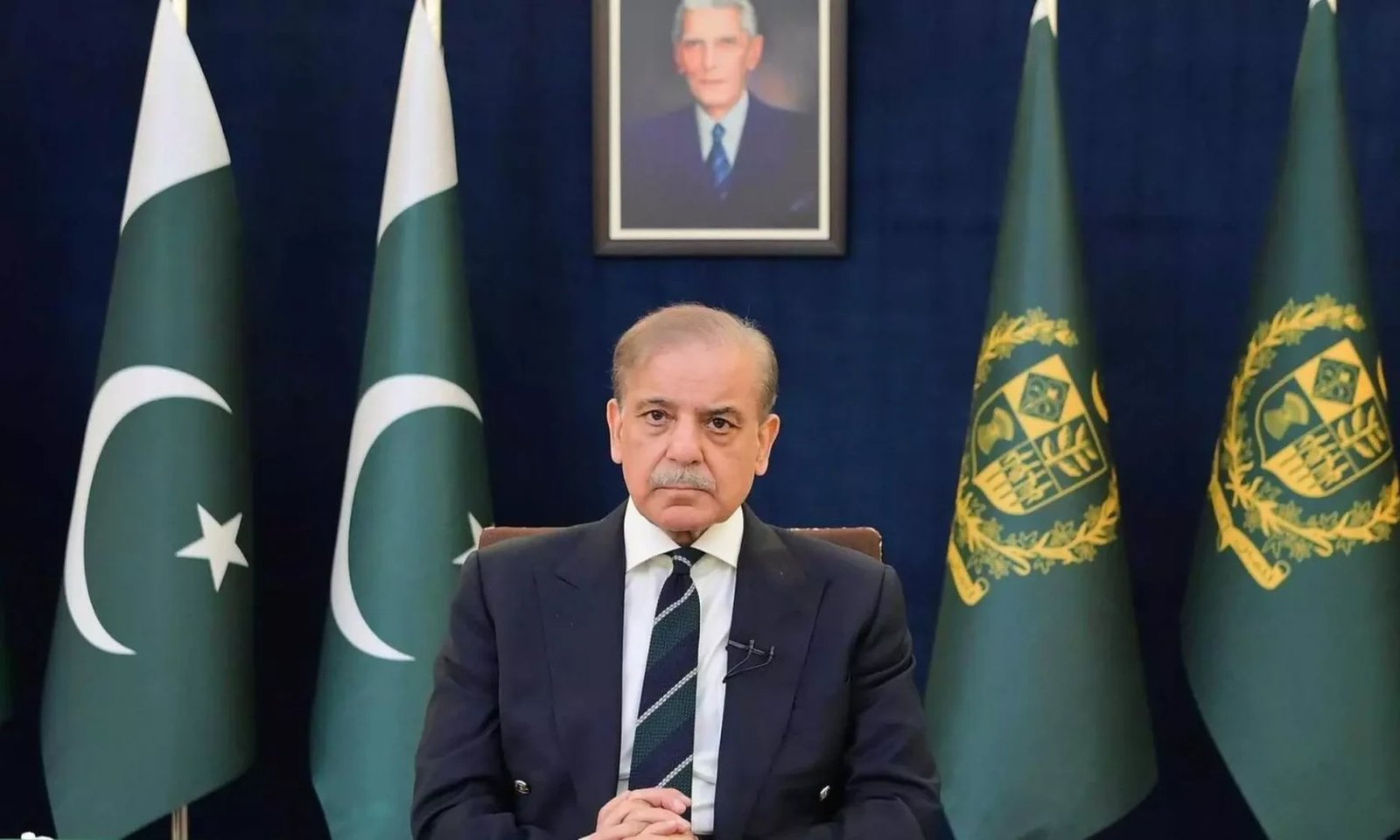
    Prime Minister Muhammad Shehbaz Sharif has announced that the government is launching a special initiative to help the country’s poorest households and families affected by recent floods move out of poverty through a comprehensive package of support.

    The announcement came in a message issued by the PM Office on the International Day for the Eradication of Poverty, observed worldwide on October 17. In the message, the prime minister described poverty eradication as a shared national responsibility requiring joint efforts by provincial governments, development partners, civil society, the private sector and local communities.

    A Safe Home for All

    According to the statement, the day is being observed globally under a United Nations three-year campaign for 2026-2028, themed “United for Peace and Human Rights,” with the 2026 sub-theme “A Safe Home for All.” The prime minister said the themes underlined the importance of collective action to end poverty and build a peaceful and just society.

    The statement said economic prosperity, adequate food supplies and safe housing were among the essential outcomes of poverty alleviation, adding that safe and dignified housing was fundamental to citizens’ well-being.

    On housing, the prime minister said the government was expanding access to affordable homes, particularly for economically vulnerable families, through easy financing under the Prime Minister’s Apna Ghar Scheme. He noted that besides financial constraints, climate change effects such as floods and heavy rainfall were also adding to the housing shortage in the country.

    Constitutional duty and welfare state

    The statement said promoting the social and economic well-being of the people was a constitutional responsibility of the government, and that the Constitution of Pakistan reflected a national commitment to building a welfare state. In fulfilment of that obligation, the prime minister said, the government was pursuing an integrated strategy linking social protection with human development, skills enhancement, livelihood opportunities, employment and economic empowerment.

    The prime minister said the government continued to strengthen and sustain the Benazir Income Support Programme (BISP) as a key social safety net providing direct financial assistance to deserving families. He said the launch of the National Socio-Economic Registry and the Digital Social Protection Wallet was intended to protect beneficiaries from exploitation and bring transparency to the delivery of assistance.

    Education, skills and livelihoods

    To help citizens build sustainable livelihoods, the prime minister said the government was working to ensure equal access to education and technical and vocational training. He said talented children from all backgrounds were receiving quality education and comprehensive care through the Daanish Schools System, while the National Vocational and Technical Training Commission (NAVTTC) had been further strengthened to equip young people with internationally aligned technical skills.

    He said initiatives such as the Prime Minister’s Youth Programme, “Uraan Pakistan,” Pakistan Bait-ul-Mal and the Pakistan Poverty Alleviation Fund (PPAF) were aimed at reducing poverty by improving livelihoods and strengthening infrastructure – efforts that, he said, would also help address deprivations in housing, energy, healthcare and education.

    The prime minister reaffirmed Pakistan’s commitment to concerted and practical measures at national and global levels to eradicate poverty, reduce inequality and ensure equitable development opportunities.

    Calling on all segments of society to renew their resolve, the prime minister said that through collective efforts, Pakistan could be made socially and economically secure and firmly set on the path to progress and prosperity.