Tag: bilateral relations

  • Sindh Speaker, Saudi Consul General discuss bilateral ties

    Sindh Speaker, Saudi Consul General discuss bilateral ties

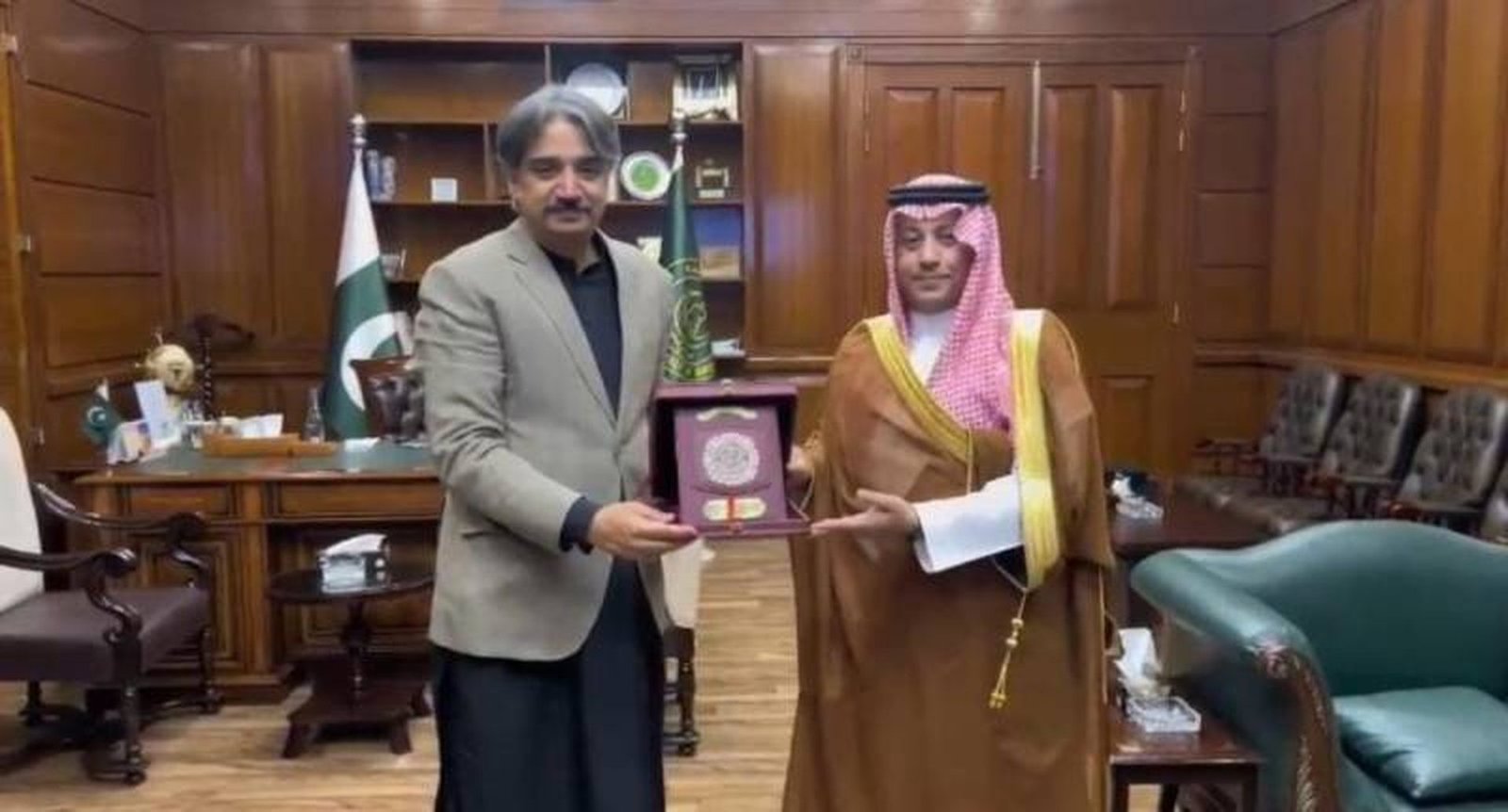
    Saudi Consul General Mohammed bin Nasser Al-Subaie met Sindh Assembly Speaker Syed Owais Qadir Shah on Thursday to discuss the longstanding brotherly relations between Pakistan and Saudi Arabia and ways to further strengthen bilateral cooperation.

    During the meeting at the Sindh Assembly, the speaker thanked the Saudi leadership for its continued support for Pakistan, saying the two countries were bound by historic, cultural and religious ties.

    The speaker said the Makkah Pact and recent developments had further strengthened relations between Pakistan and Saudi Arabia. He also expressed Pakistan’s solidarity with Saudi Arabia over the situation in the Middle East and condemned attacks targeting Saudi Arabia and the holy cities.

    The Saudi consul general said the large Pakistani community in Saudi Arabia played an important role in strengthening ties between the two countries.

    The two sides also discussed Saudi Arabia’s development projects, including NEOM and The Line. The speaker invited the Saudi consul general to visit Sukkur.

    During the visit, the Sindh Assembly speaker presented the Saudi consul general with an Ajrak, a Sindhi cap and a commemorative shield.

    The meeting reflected the warmth of the relationship between the two countries, with both sides noting the historic, cultural and religious ties that bind Pakistan and Saudi Arabia, and the continued support extended by the Saudi leadership to Pakistan.

    The discussion on Saudi development projects, including NEOM and The Line, and the role of the large Pakistani community in the Kingdom, pointed to the breadth of the relationship, which spans political, economic and people-to-people ties. The invitation to visit Sukkur, and the presentation of the Ajrak, the Sindhi cap and the commemorative shield, marked the cultural dimension of the engagement and the ties between the peoples of the two countries.

    The engagement also covered the situation in the Middle East, with the speaker expressing Pakistan’s solidarity with Saudi Arabia and condemning attacks targeting the Kingdom and the holy cities. The discussion underlined the shared positions of the two countries on regional matters and the importance they attach to continued consultation and cooperation.

  • Dar reaffirms Pakistan’s commitment to stronger Iran ties

    Dar reaffirms Pakistan’s commitment to stronger Iran ties

    Deputy Prime Minister and Foreign Minister Ishaq Dar has reaffirmed Pakistan’s commitment to further strengthening its close and brotherly ties with Iran, during a meeting with Tehran’s envoy in Islamabad.

    Iran’s Ambassador to Pakistan, Reza Amiri Moghadam, called on Dar at the Ministry of Foreign Affairs on Wednesday, according to an official statement. The two sides discussed bilateral relations and matters of mutual interest, reviewing the state of cooperation between the neighbouring countries.

    During the meeting, Dar underscored Pakistan’s firm commitment to deepening engagement with Iran and making cooperation between the two countries more effective and result-oriented. He also stressed the importance of dialogue and diplomacy in promoting peace and stability in the region.

    Pakistan and Iran share a long border and deep historical, cultural and religious links, and their relationship spans trade, energy, border management and people-to-people exchanges. Both sides have repeatedly described the relationship as brotherly, even as regional tensions have tested the wider neighbourhood.

    The meeting comes as Pakistan continues to balance its relationships across the region, with Islamabad keen to keep channels of dialogue open with all its neighbours. Officials in Islamabad have consistently argued that diplomacy, rather than confrontation, offers the only durable route to regional stability.

    No detailed announcements emerged from Wednesday’s meeting, which was described as a review of ongoing cooperation and mutual interests. But the public reaffirmation from Pakistan’s deputy prime minister signals that strengthening ties with Iran remains a stated priority for the government, alongside its wider diplomatic engagements in the region.

    Dar holds the dual portfolios of deputy prime minister and foreign minister, and his meetings with foreign envoys are closely watched as a signal of the government’s diplomatic priorities. The Foreign Office in Islamabad, where Wednesday’s meeting took place, is the usual venue for such calls, which typically review the full range of the bilateral agenda before any formal announcements are made.

    Cooperation between Pakistan and Iran covers a wide sweep of practical issues. Trade and energy links, management of their shared border, security cooperation and exchanges between ordinary citizens have all featured in recent discussions between the two sides, and officials on both sides have spoken of making that cooperation more effective and focused on results.

    Wednesday’s reaffirmation fits that pattern: a public restatement of commitment, rather than a new agreement, but one that underlines that the relationship with Iran remains an active part of Pakistan’s foreign policy at a time of heightened tensions across the wider region.

  • Shehbaz Sharif Aliyev call: Pakistan-Azerbaijan ties deepen

    Shehbaz Sharif Aliyev call: Pakistan-Azerbaijan ties deepen

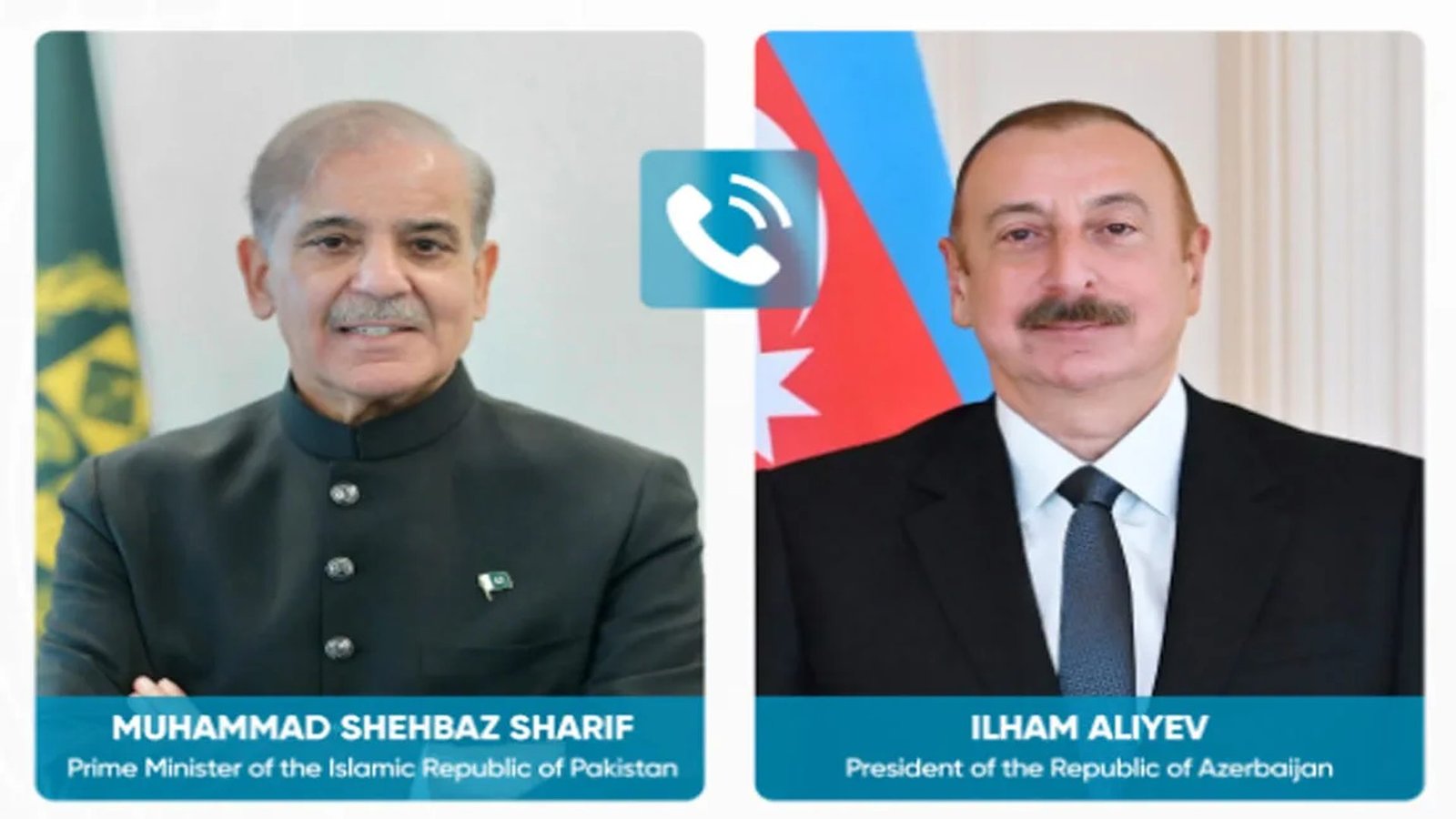
    Prime Minister Shehbaz Sharif held a telephone conversation with Azerbaijani President Ilham Aliyev on Saturday, reaffirming Pakistan’s deep-rooted and strategic partnership with the Central Asian nation, the Prime Minister’s Office said.

    During the call, the two leaders reviewed the state of bilateral relations and agreed to translate their strong political understanding into closer economic, investment and commercial cooperation. The PMO described the partnership as one built on mutual trust and consistent support on matters of core national interest.

    Both leaders expressed satisfaction over the growing momentum in their cooperation and stressed that the goodwill between the two countries should now produce tangible economic benefits for their people.

    Asaan Khidmat expansion

    A major focus of the conversation was the Asaan Khidmat Centre in Islamabad, which has been modelled on Azerbaijan’s widely praised ASAN Khidmet public service delivery system. The two leaders noted its successful operationalisation as a practical example of how their partnership can deliver real benefits to ordinary Pakistanis.

    At the prime minister’s request, President Aliyev agreed to extend Azerbaijan’s full support and expertise for expanding the Asaan Khidmat network across Pakistan. Shehbaz thanked his Azerbaijani counterpart for the gesture, calling it another sign of the enduring friendship and solidarity between the two nations.

    Regional situation

    The leaders also exchanged views on the evolving regional and international situation, underlining the importance of continued consultations and close coordination on issues of mutual interest.

    Shehbaz briefed Aliyev on Pakistan’s ongoing diplomatic outreach aimed at promoting dialogue, mediation and de-escalation in the region. According to the PMO, the Azerbaijani president appreciated Pakistan’s constructive efforts and acknowledged their importance for regional peace and stability.

    The prime minister also shared details of the conversation on X, saying the two sides had reaffirmed their friendship and strategic partnership along with their resolve to expand economic, investment and trade ties, and thanking Aliyev for supporting the expansion of the Asaan Khidmat network.

    Background

    Saturday’s conversation was the latest in a series of regular high-level engagements between the two leaders. They last spoke by telephone on May 12, when they discussed regional developments and efforts to restore peace in the Middle East.

    Shehbaz last visited Azerbaijan in May 2025, when both sides pledged to diversify their strategic partnership through investment in mutually beneficial areas and expressed satisfaction over the growing cooperation between the two countries.