Tag: ball tampering

  • Sandpapergate: Cummins to Answer Khawaja Claims Friday

    Sandpapergate: Cummins to Answer Khawaja Claims Friday

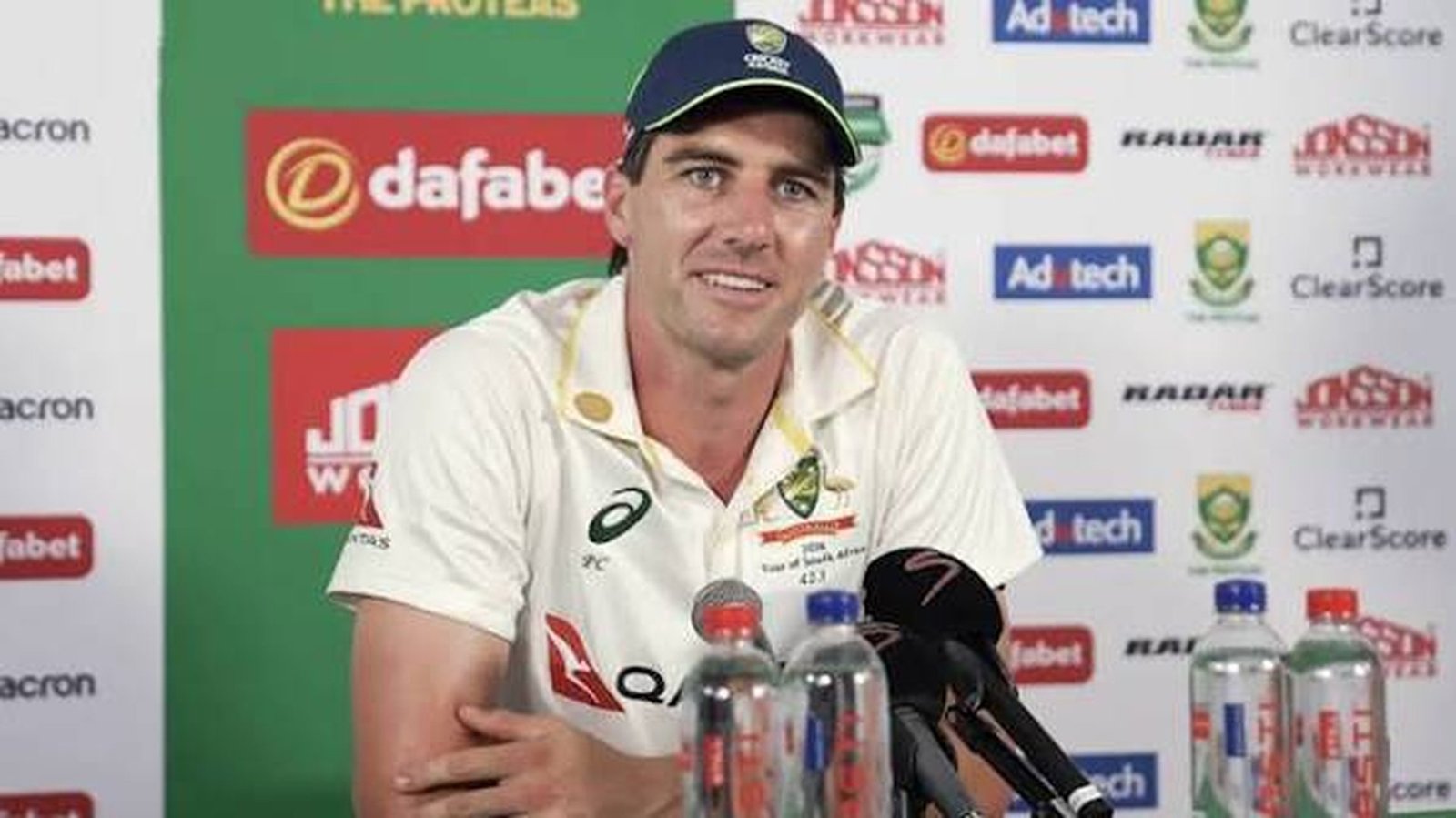
    Australia captain Pat Cummins has agreed to break his silence on the ball-tampering scandal that has returned to haunt Australian cricket, announcing he will face the media on Friday morning to answer Usman Khawaja’s explosive claims. Cummins said on Thursday he would speak to reporters at 9:30am at Cricket Central in Sydney, ahead of New South Wales’ Sheffield Shield match, after taking time to study what he called the long list of allegations in Khawaja’s new book.

    Khawaja, who retired from international cricket earlier this year, reignited the controversy last weekend ahead of the release of his autobiography, Sabr. In the book he claims the entire Australian team on the 2018 tour of South Africa knew about the plan to rough up the ball with sandpaper during the third Test at Cape Town. He also claims the tactic had been used earlier in the series, in the second Test at Port Elizabeth, and that responsibility for what happened was shared far more widely than the official account ever suggested.

    The claims cut directly against the findings of the Cricket Australia investigation that followed the Cape Town Test. That inquiry concluded that only three players, then captain Steve Smith, his deputy David Warner and Cameron Bancroft, knew about the plot. All three were sent home in disgrace and handed lengthy bans, while the rest of the team was cleared. Cummins and fellow bowlers Mitchell Starc, Josh Hazlewood and Nathan Lyon later issued a joint statement in 2021 denying they had known anything about a foreign substance being taken onto the field.

    Cummins, who was part of that bowling group in 2018, has faced growing pressure to speak since Khawaja’s book put the issue back in the spotlight. In a post on social media on Thursday, he invited any and all media to attend the session and said he wanted to respond properly rather than rush out a reply. He added that he had taken time to better understand the full extent of the allegations, and asked Cricket Australia to circulate the details of the briefing.

    Starc, meanwhile, restated his position on Wednesday, telling reporters his opinion and his recollection had not changed since the bowlers’ statement five years ago. He said that as far as their statement went, the bowlers were not aware of anything being taken onto the field, and left it there. Warner, who served a 12-month ban for his part in the scandal, has publicly backed his close friend Khawaja’s version of events, while Cricket Australia has ruled out reopening its investigation into the affair.

    The timing adds to the drama. Cummins has been rested from Australia’s white-ball series against England, which begins on Friday with the first one-day international in Perth, so his media appearance in Sydney will take place on the same morning. Khawaja, for his part, cancelled a book tour this week after an awkward television interview in which he declined to confirm whether the bowlers had been involved. All eyes will now be on what Cummins says when he finally faces the questions he has avoided for the past week.

  • Warner: Khawaja’s Sandpapergate Claims ‘100% Accurate’

    Warner: Khawaja’s Sandpapergate Claims ‘100% Accurate’

    David Warner has broken his eight-year silence on the 2018 ball-tampering scandal, backing Usman Khawaja’s claim that the whole Australian team knew about the plan to rough up the ball — and calling Cricket Australia’s investigation into the affair “rushed and botched”.

    In a video posted on Instagram on Monday, Warner said everything Khawaja has written about the scandal in his autobiography is “100 per cent accurate”. Warner, who is playing in the Nepal Premier League, thanked his former teammate for speaking out. “It’s been eight years since I’ve spoken on this topic and Uzzie, I throw my full support behind you,” Warner said. “I thank you for what you’ve done. It’s 100 per cent accurate what you’ve said.”

    Khawaja’s book, titled Sabr, is due to be published on Tuesday. In extracts released over the weekend, he said the entire Australian team had been aware of the plan to tamper with the ball during the 2018 tour of South Africa, and that sandpaper had also been used in the Test before Cape Town, in Gqeberha. He wrote that the players were “all architects” of the plan, and said he had repeatedly urged the team to take collective responsibility.

    The scandal, widely known as Sandpapergate, erupted during the third Test at Newlands in Cape Town, when Cameron Bancroft was caught on camera using sandpaper on the ball. Warner, then-captain Steve Smith and Bancroft were the only three players sanctioned: Warner and Smith received 12-month bans, while Bancroft was banned for nine months. Warner also received a lifetime leadership ban, which was lifted in 2024.

    Warner took aim at the way Cricket Australia handled its investigation, led by investigator Iain Roy. “Now, this whole interview process was rushed and botched,” he said. “Uzzie was sitting next to Cameron Bancroft. Uzzie was not interviewed. How is that a thorough investigation? It baffles me.” Khawaja has said he was told by a teammate that the whole team knew of the plan, and that he was never interviewed by investigators despite knowing what had taken place.

    Last week, Cricket Australia defended its 2018 probe, saying all relevant information presented to it had been properly considered and that it remained comfortable with the findings of its integrity process. The four Australian bowlers who played in the Cape Town Test — Pat Cummins, Josh Hazlewood, Mitchell Starc and Nathan Lyon — issued a joint statement in 2021 denying any knowledge of the plot, and have not yet commented on Khawaja’s latest claims.

    Warner said he and Khawaja were looking for accountability, not revenge. “Some things are bigger than cricket,” he wrote alongside the video. “This isn’t about reopening old wounds. It’s about acknowledging that some wounds never properly healed.” He closed by saying that speaking the truth takes courage, and that asking questions should not be mistaken for holding grudges.