Tag: Asim Munir

  • دہشت گردوں کے خلاف آپریشن بھرپور قوت سے جاری رہے گا، وزیراعظم شہباز شریف

    دہشت گردوں کے خلاف آپریشن بھرپور قوت سے جاری رہے گا، وزیراعظم شہباز شریف

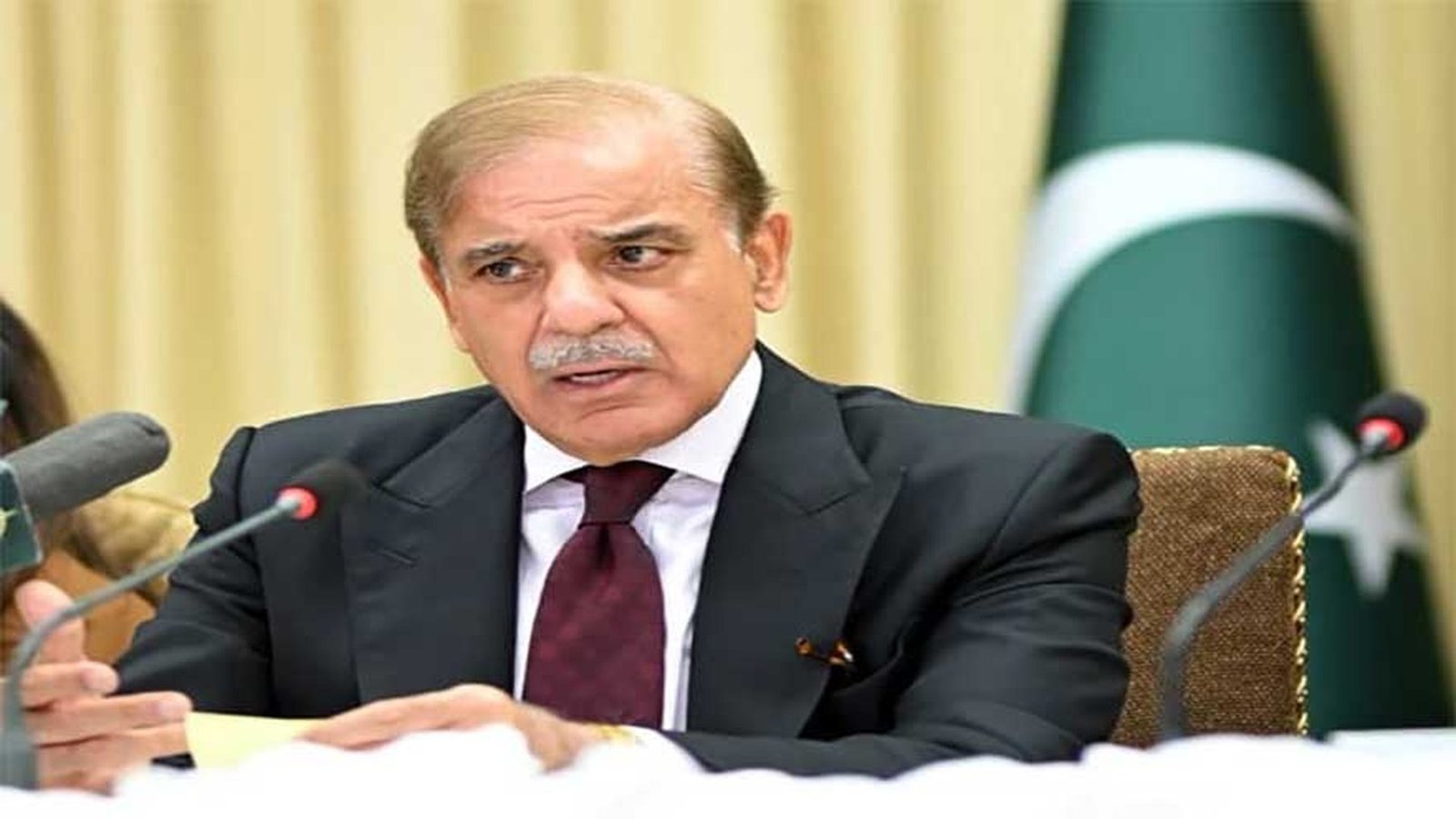
    وزیراعظم شہباز شریف نے ہفتے کے روز اسلام آباد میں امن و امان سے متعلق اعلیٰ سطح کے اجلاس کی صدارت کرتے ہوئے دہشت گردوں کے خلاف آپریشن بھرپور قوت سے جاری رکھنے کا عزم ظاہر کیا اور کہا کہ دہشت گردی کا خاتمہ کیا جائے گا اور دہشت گردوں اور ان کی مدد کرنے والوں کے خلاف کارروائی جاری رہے گی۔

    وزیراعظم آفس کے میڈیا ونگ کی جانب سے جاری کردہ اعلامیے کے مطابق وزیراعظم نے کہا کہ شہداء اور غازیوں کی قربانیاں رائیگاں نہیں جائیں گی۔

    انہوں نے کہا کہ دہشت گرد ملک کی ترقی کی راہ میں سب سے بڑی رکاوٹ ہیں اور دہشت گردی کی لعنت کو جڑ سے اکھاڑ پھینکا جائے گا، پوری قوم دہشت گردی کے خلاف متحد ہے۔

    اجلاس میں ملک بھر کی امن و امان کی صورتحال اور اسے بہتر بنانے کے لیے کیے گئے اقدامات پر بریفنگ دی گئی۔ وزیراعظم نے کہا کہ حکومت عوام کی حفاظت اور سلامتی کے لیے تمام ممکنہ وسائل فراہم کرے گی۔

    انہوں نے بلوچستان میں فوری طور پر امن و امان کی بحالی اور وہاں کے عوام کو بنیادی سہولیات کی فراہمی کی ہدایت کی، اور متعلقہ حکام کو فرقہ واریت پھیلانے اور بدامنی پیدا کرنے والوں کے خلاف سخت کارروائی کا حکم دیا۔

    اجلاس میں وفاقی وزیر دفاع خواجہ محمد آصف، وفاقی وزیر داخلہ محسن نقوی، وزیر مملکت برائے داخلہ طلال چوہدری، وزیراعلیٰ بلوچستان سرفراز بگٹی، چیف آف آرمی اسٹاف فیلڈ مارشل سید عاصم منیر، ڈائریکٹر جنرل انٹرسروسز انٹیلی جنس لیفٹیننٹ جنرل عاصم ملک اور سینئر حکام نے شرکت کی۔

    اس سے قبل جمعے کے روز اسلام آباد میں وفاقی کابینہ کے اجلاس کی صدارت کرتے ہوئے وزیراعظم نے اعلان کیا تھا کہ پاکستان بھارتی سرپرستی میں ہونے والی دہشت گردی کے معاملے پر اقوام متحدہ کی سلامتی کونسل سے رجوع کرے گا اور دنیا کے سامنے ٹھوس شواہد پیش کیے جائیں گے۔ انہوں نے کہا تھا کہ کابینہ کی توجہ دہشت گردی کے بڑھتے ہوئے واقعات کے خلاف موثر کارروائی پر ہے اور سیکیورٹی فورسز، پولیس اور تمام ادارے ملک میں امن و استحکام کے لیے مل کر کام جاری رکھیں گے۔

    کابینہ سے خطاب کرتے ہوئے وزیراعظم نے کہا تھا کہ اجلاس کا ایجنڈا وفاقی حکومت کے انتظامی امور نہیں بلکہ دہشت گردی کے بڑھتے ہوئے واقعات کے خلاف موثر کارروائی ہے۔ انہوں نے پشاور میں فیڈرل کانسٹیبلری کے ہیڈکوارٹر پر دہشت گرد حملے کو “وحشیانہ اور بزدلانہ” قرار دیتے ہوئے کہا تھا کہ پاکستان بھارتی ریاستی سرپرستی میں دہشت گردی کی سرگرمیوں کو ٹھوس شواہد کے ساتھ دنیا کے سامنے بے نقاب کرے گا۔

    انہوں نے کہا تھا کہ پاکستان میں دہشت گرد حملوں میں افغان شہریوں کی بڑی تعداد ملوث ہے، افغان حکومت کو شواہد پیش کیے جا چکے ہیں اور پاکستان اس معاملے کو آگے بڑھاتا رہے گا۔ انہوں نے حکام کو حملے کی تحقیقات جلد از جلد مکمل کر کے نتائج وفاقی کابینہ کے سامنے پیش کرنے کی ہدایت بھی کی تھی اور زور دیا تھا کہ عوام کی جان و مال کے تحفظ کے لیے تمام اقدامات کیے جائیں گے۔

  • PM Shehbaz Vows Full-Force Operations Against Terrorists

    PM Shehbaz Vows Full-Force Operations Against Terrorists

    Prime Minister Shehbaz Sharif on Saturday chaired a high-level meeting on law and order in Islamabad and resolved to continue operations against terrorists with full force, vowing to eliminate terrorism and to take the fight to those involved in terrorism and those supporting them, the Prime Minister’s Office said.

    “The sacrifices of our martyrs and Ghazis will not go in vain,” the prime minister said, according to a press release issued by the PM Office Media Wing after the meeting.

    He said terrorists were the biggest obstacle to the country’s development and that the scourge of terrorism would be uprooted, adding that the entire nation stood united against terrorism.

    The meeting was briefed on the law and order situation across the country and the measures taken to improve it. The prime minister said the government would provide all possible resources for the safety and security of the people.

    He directed the immediate restoration of peace and order in Balochistan, along with the provision of basic facilities to the people there, and ordered the authorities concerned to take strict action against people involved in spreading sectarianism and causing unrest.

    Federal Minister for Defence Khawaja Muhammad Asif, Federal Minister for Interior Mohsin Naqvi, Minister of State for Interior Tallal Chaudry, Balochistan Chief Minister Sarfraz Bugti, Chief of Army Staff Field Marshal Syed Asim Munir, Director General of Inter-Services Intelligence Lieutenant General Asim Malik and senior officials attended the meeting.

    Earlier, while presiding over a meeting of the federal cabinet in Islamabad on Friday, the prime minister announced that Pakistan would approach the United Nations Security Council over what he described as Indian-sponsored terrorism in Pakistan, saying solid evidence would be presented before the world. He said the cabinet’s focus was on effective action against the rising incidents of terrorism, and that the security forces, police and all institutions would continue working together to ensure peace and stability in the country.

    Addressing the cabinet, the prime minister said the agenda was not about the administrative matters of the federal government but about how effective action could be taken against the rising incidents of terrorism. He described the terrorist attack on the Federal Constabulary Headquarters in Peshawar as “barbaric and cowardly” and said Pakistan would expose Indian state-sponsored terrorist activities before the world with solid evidence.

    He said a large number of Afghan nationals were involved in the terrorist attacks in Pakistan, noting that evidence had been presented to the Afghan government and that Pakistan would continue to pursue the matter. He also directed the authorities to complete the investigation into the attack as soon as possible and to present its findings to the federal cabinet, stressing that all steps would be taken to protect the lives and property of the people.

  • مسلم 500 فہرست 2027: شہباز شریف اور عاصم منیر مشترکہ طور پر نمبر ون

    مسلم 500 فہرست 2027: شہباز شریف اور عاصم منیر مشترکہ طور پر نمبر ون

    دنیا کے 500 بااثر مسلمانوں کی سالانہ فہرست 2027 میں وزیراعظم شہباز شریف اور چیف آف ڈیفنس فورسز فیلڈ مارشل عاصم منیر کو مشترکہ طور پر پہلی پوزیشن دی گئی ہے۔ یہ اس فہرست کی 18 سالہ تاریخ میں پہلی مرتبہ ہے کہ پانچ عالمی رہنماؤں کو مشترکہ طور پر سرفہرست رکھا گیا ہے۔

    یہ فہرست اردن کے رائل اسلامک اسٹریٹجک اسٹڈیز سینٹر کی جانب سے جاری کی گئی ہے۔ پہلے نمبر پر پاکستان کی دونوں اہم شخصیات کے ساتھ سعودی عرب کے شاہ سلمان بن عبدالعزیز، ولی عہد محمد بن سلمان اور ترکیہ کے صدر رجب طیب اردوان بھی مشترکہ طور پر شامل ہیں۔

    اشاعت کے مطابق مشترکہ پہلی پوزیشن کی بنیادی وجہ مکہ مشترکہ دفاعی معاہدہ ہے، جس پر 7 اگست 2026 کو دستخط ہوئے اور ریاض میں ہنگامی سربراہی اجلاس کے دوران اسے فعال کیا گیا۔ اس معاہدے کے تحت سعودی عرب، ترکیہ اور پاکستان اجتماعی سلامتی کے انتظام میں شامل ہوئے ہیں۔

    کتاب میں اس معاہدے کو سلامتی کے لیے “ایک سب کے لیے، سب ایک کے لیے” کے اصول پر مبنی قرار دیا گیا ہے، جس میں سعودی دولت، ترکیہ کی دفاعی ٹیکنالوجی اور پاکستان کی عسکری طاقت کو ایک مشترکہ دفاعی اتحاد میں جوڑا گیا ہے۔ ایڈیٹرز نے 2027 کی اشاعت کو فہرست کے لیے ایک تاریخی موڑ قرار دیا ہے۔

    فہرست میں وزیراعظم شہباز شریف کو پاکستان کی سیاسی قیادت اور فیلڈ مارشل عاصم منیر کو عسکری قیادت کے حوالے سے شامل کیا گیا ہے۔ عاصم منیر چیف آف ڈیفنس فورسز اور چیف آف آرمی اسٹاف ہیں۔

    گزشتہ برس شہباز شریف اور عاصم منیر فہرست کے غیر درجہ بند حصے میں شامل تھے، جبکہ شاہ سلمان آٹھویں، ولی عہد محمد بن سلمان چودھویں اور صدر اردوان ساتویں نمبر پر تھے۔

    مشترکہ پہلی پوزیشن کے بعد ایران کے سپریم لیڈر آیت اللہ سید مجتبیٰ خامنہ ای چوتھے، اردن کے شاہ عبداللہ دوم پانچویں اور قطر کے امیر شیخ تمیم بن حمد آل ثانی چھٹے نمبر پر ہیں۔ پاکستان کے معروف عالم دین جسٹس شیخ محمد تقی عثمانی فہرست میں ساتویں نمبر پر شامل ہیں۔

    فہرست کے سرفہرست 50 افراد میں دیگر نمایاں رہنماؤں میں ملائیشیا کے وزیراعظم انور ابراہیم تیرہویں اور انڈونیشیا کے صدر پرابوو سوبیانتو سولہویں نمبر پر ہیں۔ یہ اشاعت نومبر 2026 کے اوائل میں جاری کی گئی تھی۔

    مسلم 500 فہرست میں سیاسی قیادت، مذہبی خدمات، معاشی اثر و رسوخ، سماجی کردار اور مسلم دنیا میں تبدیلی لانے کی صلاحیت کو اہمیت دی جاتی ہے۔ اشاعت اپنے 500 ناموں کو درجہ بند سرفہرست 50 اور ان کے شعبہ اثر و رسوخ کے مطابق مزید 450 افراد میں تقسیم کرتی ہے۔

  • Shehbaz, Munir Joint Top in Muslim 500 List 2027

    Shehbaz, Munir Joint Top in Muslim 500 List 2027

    Prime Minister Shehbaz Sharif and Field Marshal Asim Munir have been jointly ranked at number one in the 2027 edition of The Muslim 500, the annual list of the world’s 500 most influential Muslims, in a first for the publication’s 18-year history.

    The list, published by the Royal Islamic Strategic Studies Centre (RISSC) in Amman, Jordan, places five leaders together at the top: King Salman bin Abdulaziz and Crown Prince Mohammed bin Salman of Saudi Arabia, Prime Minister Shehbaz Sharif and Field Marshal Asim Munir of Pakistan, and President Recep Tayyip Erdogan of Turkiye.

    According to the publication, the joint top ranking recognises the Makkah Joint Defence Agreement, a mutual defence pact signed on 7 August 2026 and activated during an emergency summit in Riyadh. The agreement brings together Saudi Arabia, Turkiye and Pakistan in a collective security arrangement.

    The book describes the pact as built on a “one for all, all for one” approach to security, joining Saudi wealth, Turkish weapons technology and Pakistani military strength into a single mutual defence alliance. The editors call the 2027 edition a historic turning point for the list.

    In the list, Prime Minister Shehbaz Sharif is recognised for political leadership, while Field Marshal Asim Munir, who is Chief of Defence Forces and Chief of the Army Staff, is recognised for military leadership.

    Last year, Sharif and Munir were in the unranked section of the list, while King Salman was eighth, Crown Prince Mohammed bin Salman 14th and President Erdogan seventh, according to reports on the new edition.

    Below the joint number one, Iran’s Supreme Leader Ayatollah Sayyid Mojtaba Khamenei is ranked fourth, King Abdullah II of Jordan fifth and Qatar’s Emir Sheikh Tamim bin Hamad Al-Thani sixth. Pakistan’s leading scholar, Justice Sheikh Muhammad Taqi Usmani, is ranked seventh in the list.

    Other prominent leaders in the top 50 include Malaysian Prime Minister Anwar Ibrahim at 13th and Indonesian President Prabowo Subianto at 16th, according to reports on the edition released in early November 2026.

    The Muslim 500 assesses influence across political leadership, religious scholarship, economic clout, social impact and the ability to bring change in the Muslim world. The publication divides its 500 names into a ranked top 50 and a further 450 figures listed according to their field of influence.

  • Pakistan ‘cautiously optimistic’ on US-Iran mediation

    Pakistan ‘cautiously optimistic’ on US-Iran mediation

    Pakistan’s military has said it is “cautiously optimistic” that mediation between the United States and Iran can revive a ceasefire, pointing to the army chief’s two visits to Tehran this month as a sign that diplomacy still has room to work.

    Lieutenant General Ahmed Sharif Chaudhry, the military’s spokesman, told the Reuters news agency that there were positive signs in the efforts to de-escalate the conflict. He was speaking in Rawalpindi, where Pakistan’s armed forces are headquartered, in his first comments since a high-level delegation visited Tehran this week.

    Field Marshal Asim Munir, the army chief, has travelled to Tehran twice this month, most recently on Monday, alongside Saudi and Turkish officials. Asked whether the trips were a positive sign, Chaudhry replied: “Why would the Field Marshal be going twice if it is not for some positivity? So yes, of course.”

    He added that Pakistan would describe its position with the words “cautiously optimistic”, but he declined to say what was discussed in Tehran or whether the United States had backed the trip.

    Chaudhry also warned that there were parties working against the mediation. There are still “powerful spoilers and detractors” who believe conflict serves them, he said, without naming them.

    The mediation effort comes as Qatari mediators have also arrived in Tehran in another attempt to negotiate a revival of the ceasefire agreed in June, which collapsed months later. The fighting between the United States and Iran has raised fears across the region of a wider war.

    Defence pact and regional security

    Saudi Defence Minister Prince Khalid bin Salman and Turkish intelligence chief Ibrahim Kalin joined Munir in Tehran on Monday. Pakistan, Saudi Arabia and Turkiye signed a joint defence pact on August 7, under which an attack on any signatory is treated as an attack on all.

    After Monday’s talks, Mohsen Rezaei, the secretary of Iran’s Supreme National Security Council, said regional security should be ensured by regional countries without foreign intervention.

    Asked whether Iran could join the defence pact, Chaudhry said its wording did not bar new members. “Anyone who has a shared vision of collective deterrence and regional peace, why not? Everyone is most welcome,” he said, adding that it would be for the political leadership of the three principal parties to decide.

    On whether more Pakistani troops would be sent to Saudi Arabia under the agreement, he said that would depend on the situation and on the decision of both countries’ political leadership. He said Pakistan was committed to defending Saudi Arabia and the holy sites of Makkah and Madinah, and added: “We are not part of the Yemeni conflict, which is an intra-Yemen conflict.”

    Fighting between Saudi Arabia and Yemen’s Iran-aligned Houthi group has reignited since the Iran conflict began, adding to concerns that the confrontation could spread further across the Middle East.

  • Sudan’s Interior Minister Meets Field Marshal Munir at GHQ

    Sudan’s Interior Minister Meets Field Marshal Munir at GHQ

    Sudanese Interior Minister General Abdul Wahed Mohammed Omar met Chief of Army Staff Field Marshal Syed Asim Munir at General Headquarters in Rawalpindi, where the two sides discussed security cooperation and regional stability.

    The meeting covered matters of mutual interest, regional and global security, and ways to strengthen bilateral relations, with a particular focus on cooperation in the security field. The visit comes as Sudan continues to face a devastating civil war, now in its fourth year, and as Pakistan seeks to deepen its engagement with African partners.

    General Omar appreciated Pakistan’s role in regional peace and stability, according to the military’s media wing. His remarks acknowledged the part Pakistan has played in supporting peace efforts in the region, including through its long history of participation in United Nations peacekeeping missions.

    Field Marshal Munir reaffirmed Pakistan’s commitment to deepening its engagement with Sudan. He said close cooperation between the two countries is essential to address the shared challenges they face, including security threats and regional instability.

    Sudan has been gripped by conflict since April 2023, when fighting broke out between the Sudanese Armed Forces and the paramilitary Rapid Support Forces. The war has killed tens of thousands of people and displaced millions, creating one of the world’s worst humanitarian crises.

    Khartoum, the Sudanese capital, has seen renewed violence in recent days, with drone strikes reported in the city and surrounding areas. The Sudanese military regained control of the capital last year, but the paramilitary forces continue to hold territory in the western Darfur region and elsewhere.

    The meeting underlines the importance both countries attach to direct contact between their security leaderships. General Omar’s visit to GHQ, the headquarters of the Pakistan Army, is the kind of engagement through which the two sides exchange views on the security situation in their regions and explore practical ways to work together.

    The meeting at GHQ is part of a wider pattern of high-level contacts between Pakistan and Sudan. For Sudan, the visit signals an effort to build partnerships as it seeks support for its security institutions. For Pakistan, it is another step in strengthening ties with a country whose stability matters to the wider region, from the Red Sea to the Horn of Africa.

  • Munir becomes Pakistan’s first Chief of Defence Forces

    Munir becomes Pakistan’s first Chief of Defence Forces

    Field Marshal Syed Asim Munir has become Pakistan’s first Chief of Defence Forces, after the president approved his appointment to the newly created post on Thursday evening.

    According to the Prime Minister’s Office, Prime Minister Shehbaz Sharif approved a summary appointing Field Marshal Munir as Chief of Army Staff and concurrently as Chief of Defence Forces, and sent it to the Presidency for approval. President Asif Ali Zardari then approved the appointment, confirming Munir’s expanded role.

    The appointment is for a period of five years. Field Marshal Munir will continue as Chief of Army Staff while also holding the new post, making him the first officer in the country’s history to lead the armed forces in this combined role.

    The post of Chief of Defence Forces was created through the 27th Constitutional Amendment, passed by parliament last year, which was designed to improve coordination among the army, navy and air force. Under the new arrangement, the Chief of Defence Forces oversees all three services, replacing the earlier system in which a separate chairman led the Joint Chiefs of Staff Committee.

    The prime minister also approved a two-year extension in the service of Chief of Air Staff Air Chief Marshal Zaheer Ahmed Baber Sidhu. The extension will take effect when his present five-year tenure ends in March 2026.

    In its statement, the Prime Minister’s Office said the appointment would strengthen coordination between the services at a time when the armed forces face complex security challenges on several fronts. The president extended his best wishes to Field Marshal Munir and to the air chief for their tenures.

    Field Marshal Munir was promoted to the rank of field marshal earlier this year, and his appointment as Chief of Defence Forces marks another milestone in a career that has already seen him lead the army through a period of intense regional tension.

    The creation of the post has been the subject of debate in parliament and in the media, with supporters arguing that a single commander for the three services will improve planning and decision-making, while critics have questioned the concentration of military authority in one office.

    For now, the formal process is complete: the prime minister’s summary has been approved by the president, and the appointment stands for five years. The formal notification will follow the approval process, as is customary for senior military appointments.

    The development comes as Pakistan’s armed forces continue to deal with security threats along the western border and tensions in the wider region, and the new command structure is expected to shape how the three services work together in the years ahead.

    Observers will now watch how the new role is defined in practice, including the division of responsibilities between the Chief of Defence Forces and the individual service chiefs, and how the change affects the day-to-day running of the armed forces.