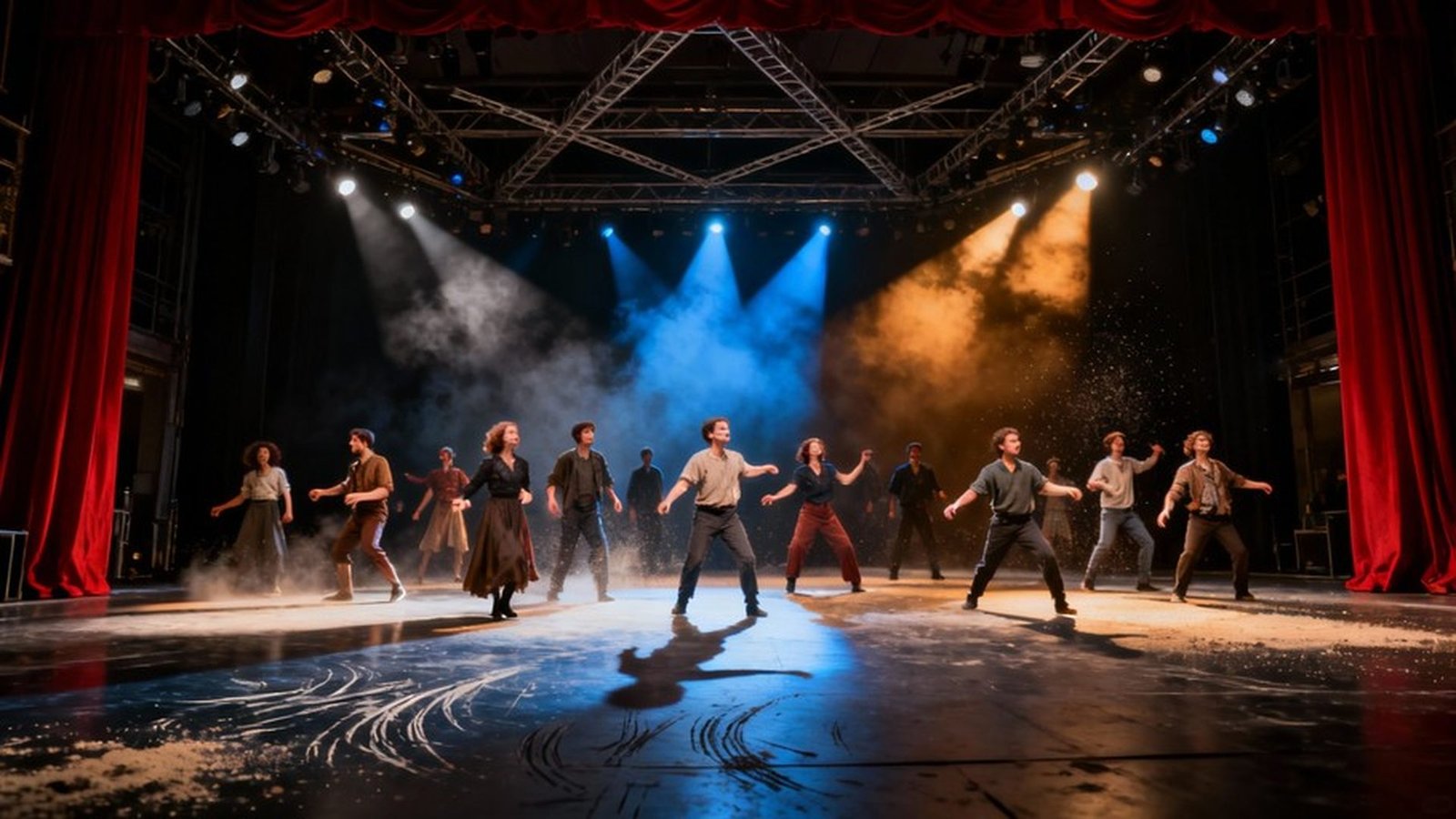
Artists and rights advocates in Punjab have urged the provincial governor to withhold assent to the Punjab Dramatic and Theatrical Performances Bill 2026 and return it to the provincial assembly for further deliberation, warning that the new law would restrict artistic freedom.
The appeal was made at a roundtable discussion organised by the Human Rights Commission of Pakistan (HRCP) on Tuesday. Participants included HRCP director Farah Zia, Ajoka Theatre’s Shahid Nadeem, HRCP’s Harris Khalique and filmmaker Kanwal Khoosat, who discussed the implications of the legislation for theatre practitioners and audiences across the province.
Those at the meeting raised concern over several provisions of the law, including the compulsory registration of artists, licensing requirements for theatre halls and the prior vetting of scripts before a performance can be staged. They argued that the conditions would discourage performers, particularly those from less affluent backgrounds, and narrow the space for satire and dissent on stage.
Speakers at the roundtable said the law’s restrictions on performances deemed scandalous, defamatory or likely to excite disaffection towards the government could be used to silence criticism. They said the provisions sit uneasily with Article 19 of the Constitution, which guarantees freedom of speech and expression, and called for the bill to be reconsidered with the participation of artists and theatre practitioners.
The Punjab Assembly passed the bill on 18 November, replacing the Dramatic Performances Act of 1876, a colonial-era law that had governed stage performances for nearly 150 years. The final law abolished the registration fee for artists that had been proposed in the original draft, although registration itself remains compulsory for performers. Reports say scripts must be approved 15 days before a performance, and the law also provides for licensing, monitoring and penalties for violations.
The HRCP had already raised alarm over the legislation last week, warning that it could place the government beyond satire and criticism, and announced that it would hold a consultation with artists and other stakeholders to examine the law and discuss ways to safeguard artistic and cultural freedoms. Tuesday’s roundtable was that consultation.
Participants urged the governor to send the bill back to the assembly so that its provisions could be debated again with input from the theatre community. Supporters of the law, including the provincial information minister, have defended it as a long-overdue replacement for an outdated law, saying it is intended to regulate theatres, curb obscenity and protect the dignity of artists. The appeal now rests with the governor, whose assent is required before the bill becomes law.
