Tag: artificial intelligence

  • Pakistan: Nuclear Decisions Must Stay Under Human Control

    Pakistan: Nuclear Decisions Must Stay Under Human Control

    UNITED NATIONS: Pakistan has told the United Nations Security Council that decisions on the use of nuclear weapons must remain under human control, warning that artificial intelligence must never be used to target nuclear command, control and communications systems.

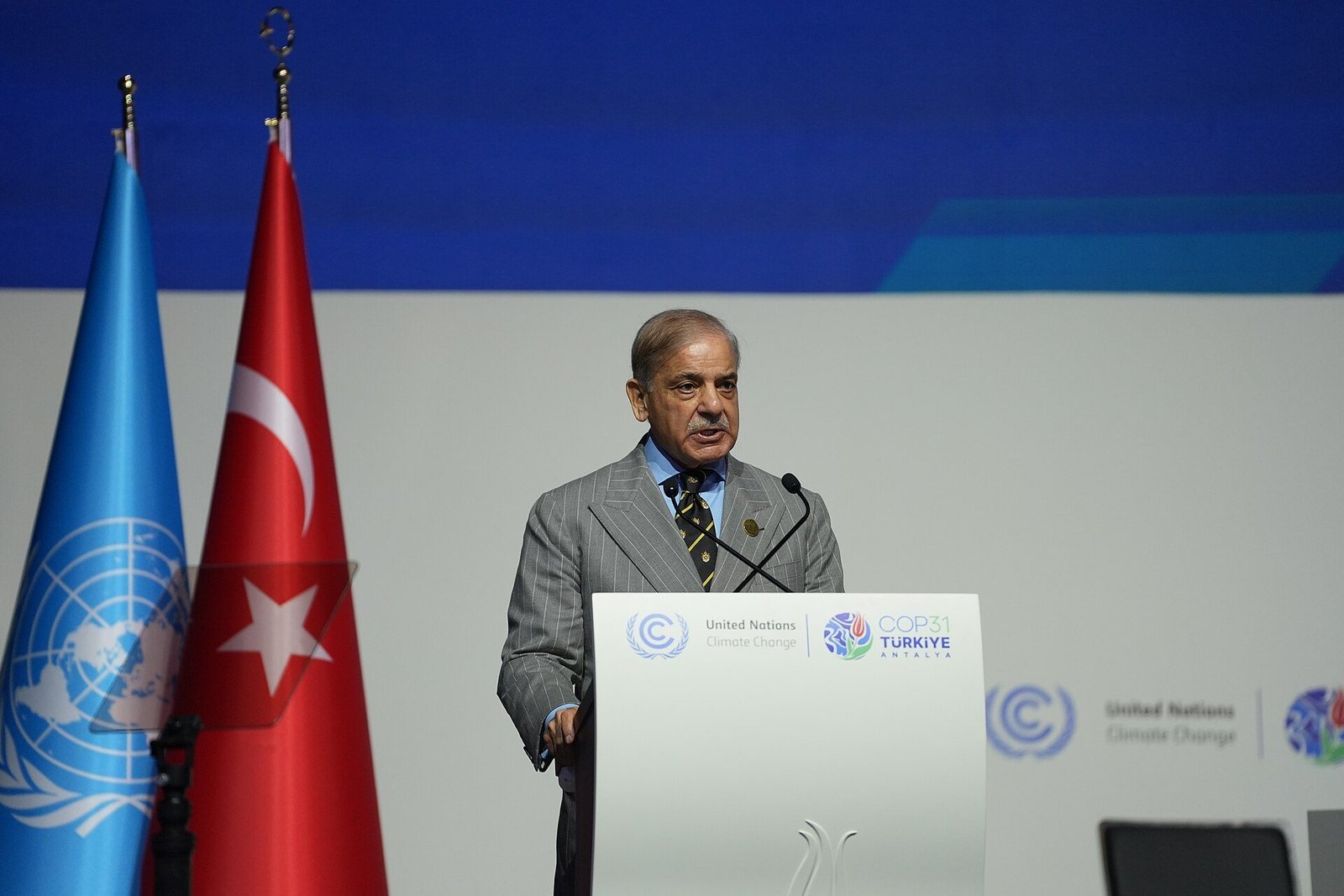
    Pakistan’s Permanent Representative to the United Nations, Ambassador Syed Haider Shah, delivered the warning during a high-level open debate of the Security Council on 24 November 2026, held under the Latvian presidency on conflict resolution in an era of rapid technological change.

    “This is most critical in the nuclear domain, where decisions on the use of nuclear weapons must remain under human control, and AI systems must never be used to target nuclear command, control and communications systems,” Ambassador Shah said, according to the Permanent Mission of Pakistan to the UN.

    He told the 15-member Council that emerging technologies needed inclusive global governance, and that human judgment and control must remain central to the design, development and deployment of new technologies. Without agreed rules, he warned, fast-growing technology could worsen the arms race that already threatens global peace and security.

    The envoy stressed that the integration of artificial intelligence into military systems could introduce dangerous risks, particularly in the nuclear domain, where technological interference, miscalculations or compressed decision-making timelines could have catastrophic consequences. He said AI in military operations shortens the time humans have to think during a crisis.

    Ambassador Shah also called for military restraint and confidence-building steps to lower the risk of mistakes and rushed decisions during a crisis. He said the world must make sure that new technologies serve peace and security rather than becoming tools of confrontation.

    UN Secretary-General Antonio Guterres also addressed the session, warning that artificial intelligence has entered the battlefield and that humans must retain control over life-and-death decisions. He urged negotiations on a legally binding instrument on lethal autonomous weapons and cautioned that integrating AI into nuclear command systems would be a recipe for catastrophe.

    Guterres said that as long as nuclear weapons exist, only humans should decide whether to use them. He also warned that AI-driven falsehoods undermine peace, while acknowledging that technology can support peacekeeping, mediation and civilian protection.

    Pakistan has asked the Security Council to create strong global rules for artificial intelligence and other emerging technologies. The debate brought together Council members and senior UN officials to discuss how the international community should govern technologies that are reshaping conflict, from autonomous weapons to cyber tools and disinformation.

    For Pakistan, the message was clear: the speed of technological change must not outrun the rules that keep it in check, and no machine should ever be given the power to decide on the use of a nuclear weapon.
  • PM orders swift NCCIA overhaul, cyber police plan

    PM orders swift NCCIA overhaul, cyber police plan

    Prime Minister Muhammad Shehbaz Sharif on Wednesday directed the authorities concerned to swiftly restructure the National Cyber Crime Investigation Agency (NCCIA) and turn it into an effective and modern institution, as the government moves to align the prevention and investigation of cybercrime with modern needs.

    Chairing a meeting in Islamabad on the restructuring of the agency, the prime minister said protecting the public from cybercrime was among the government’s priorities. He directed that experts from the information technology and artificial intelligence sectors be deployed in the NCCIA and all its subordinate offices, and that the best human resources be hired on merit.

    According to the Associated Press of Pakistan, the prime minister said the restructuring should focus on the use of artificial intelligence and modern technology, while all available resources should be utilised to resolve pending cybercrime cases.

    To review the reform proposals presented by the NCCIA, the prime minister ordered the formation of a committee comprising federal ministers Mohsin Naqvi, Azam Nazeer Tarar, Muhammad Aurangzeb and Shaza Fatima Khawaja. The committee will submit its recommendations to the prime minister by the end of the current week.

    During the meeting, the restructuring recommendations were presented and the agency’s performance, administrative structure and future course of action were reviewed. Participants were told there was a proposal to convert the NCCIA into a national-level Pakistan Cyber Police, for which the best human resources would be recruited on merit.

    The meeting was also informed that a specialised system for national security concerning cybercrime had become operational, and that all possible measures were being taken under the existing system to resolve cybercrime cases.

    The meeting was attended by federal ministers Azam Nazeer Tarar, Dr Musadik Masood Malik, Ahad Khan Cheema, Muhammad Aurangzeb and Syed Mohsin Raza Naqvi, Minister of State for Interior Talal Chaudhry, Minister of State for Finance Bilal Azhar Kayani and senior officers of the relevant departments.

    The directive follows months of concern about the agency’s capacity. Interior Minister Mohsin Naqvi has previously said the NCCIA is severely short of staff, noting that only 61 personnel were serving across Punjab, and that he would raise the shortage with the prime minister. The agency has meanwhile intensified its crackdown on illegal call centres and organised online fraud, including the Karachi call-centre case in which a court this week extended the remand of five suspects.

  • Pakistan and Turkiye discuss AI use in judicial systems

    Pakistan and Turkiye discuss AI use in judicial systems

    Pakistan and Turkiye have discussed introducing digitalisation and the responsible use of artificial intelligence in their judicial systems to strengthen judicial cooperation, 24NewsHD TV reported on Tuesday.

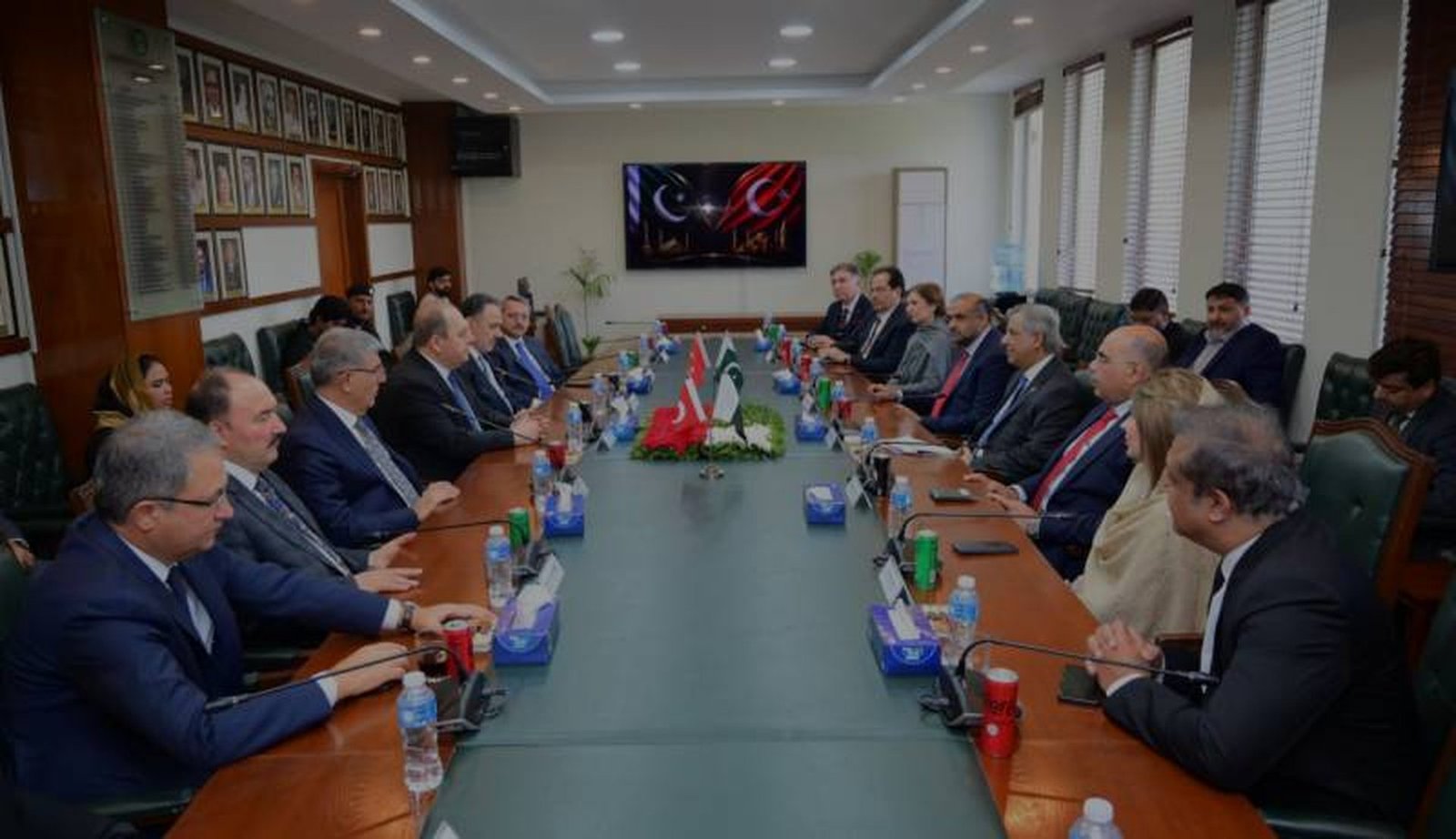
    The discussions took place during a meeting between Federal Law Minister Azam Nazeer Tarar and a delegation of Turkiye’s superior judiciary, led by President of the Court of Cassation Omer Kerkez. Turkish Ambassador to Pakistan Dr Irfan Neziroglu and senior judicial officials also attended the meeting.

    Speaking during the meeting, Azam Nazeer Tarar said the exchange of experiences among judges would further strengthen judicial cooperation between the two countries. He said regular interaction between judges of both sides helps build a shared understanding of how courts work and how justice is delivered, and that such exchanges benefit the judicial institutions of both countries.

    The law minister said Pakistan had established an International Mediation and Arbitration Centre to promote mediation and arbitration. He expressed interest in expanding cooperation with relevant Turkish institutions in these fields, saying that alternative dispute resolution can help settle disputes more quickly and reduce the burden on courts.

    Tarar also assured full support for implementing the memorandum of understanding between the Chief Justice of Pakistan and the head of Turkiye’s superior judiciary. The understanding, he said, provides a framework for closer institutional ties between the judiciaries of the two countries, and its implementation would open the way for further joint work.

    The meeting also discussed the digitalisation of the judicial system and the responsible use of artificial intelligence. Pakistan expressed its desire to benefit from Turkiye’s judicial experience in this area and to share its own expertise with the Turkish side, so that both countries can learn from each other’s work in modernising their courts.

    Digitalisation and the careful use of artificial intelligence in courts are increasingly part of judicial reform discussions around the world, as judiciaries look for ways to manage casework more efficiently while keeping human judgement at the centre of decision-making. The two sides agreed that any use of such tools in the judicial system must remain responsible and in line with the principles of justice.

    The meeting reflected the broader ties between Pakistan and Turkiye, with both countries regularly engaging on legal and institutional cooperation alongside their wider diplomatic relationship.

  • COMSTECH, Al-Ghazali explore halal science, AI cooperation

    COMSTECH, Al-Ghazali explore halal science, AI cooperation

    Islamabad — OIC-COMSTECH and Al-Ghazali University Karachi have agreed to explore cooperation in research, emerging technologies, halal science and academic exchanges, bringing scientists and religious scholars together to work on shared challenges facing the Muslim world.

    The proposals were discussed during a visit by Al-Ghazali University Chancellor and prominent religious scholar Mufti Abdul Raheem to the OIC-COMSTECH Secretariat in Islamabad, where he held a meeting with Coordinator General Prof Dr M. Iqbal Choudhary and senior officials.

    During the meeting, Mufti Abdul Raheem was briefed on COMSTECH’s fellowships and scholarships, its programmes for Palestinian students and researchers, and its initiatives for young women scientists across the Organisation of Islamic Cooperation. He was also briefed on the organisation’s work on artificial intelligence and emerging technologies, and on halal products and certification.

    Prof Choudhary proposed that Al-Ghazali University join the COMSTECH Consortium of Excellence as an associate member. The membership would open the way for joint research, training for faculty members and researchers, and academic exchanges through COMSTECH’s network of universities and research institutions across OIC member states.

    He also proposed a joint conference involving scientists, vaccine experts and religious scholars to discuss the scientific and societal aspects of vaccination, including polio. A summit on halal products and certification was also proposed, bringing together scientists, regulators, industry representatives and religious scholars.

    Mufti Abdul Raheem appreciated COMSTECH’s work across the Muslim world, saying significant scientific and capacity-building initiatives were being undertaken under the leadership of Prof Choudhary. He said Al-Ghazali University would work closely with COMSTECH and support its initiatives, with the university’s faculty members and researchers engaging in joint research, training and academic activities.

    He said Pakistan’s hosting of COMSTECH was an honour and provided the country with an important platform to contribute to scientific and educational cooperation across the Muslim world. He also proposed joint work on religion, environmental responsibility and climate change.

    The meeting also discussed academic exchanges and closer engagement between scientists and religious scholars, which both sides described as important for addressing questions where science and faith meet, including public health, halal certification and the environment.

    COMSTECH, the OIC’s ministerial standing committee on scientific and technological cooperation, is based in Islamabad and works with member states on research, training and capacity building in science and technology.

    The two sides agreed to pursue practical cooperation in research, training, halal science and emerging technologies, and in programmes that bring scientific expertise and religious scholarship together.

  • Nvidia Shares Soar 31% as Huang Returns as CEO

    Nvidia Shares Soar 31% as Huang Returns as CEO

    Nvidia shares surged 31.48 percent on Monday, their best day since 2003, after the chipmaker announced it had reinstated Jensen Huang as chief executive and president with immediate effect. The single-day jump added about $952 billion to Nvidia’s market value, as investors welcomed the return of the company’s co-founder just 11 days after he resigned.

    The announcement turbocharged an already strong day for American stocks. The technology-focused Nasdaq Composite rose 6.51 percent, the S&P 500 gained 4.73 percent and the Dow Jones Industrial Average climbed 1,448 points, or 3.01 percent. It was the best day for the Nasdaq and the S&P 500 since April 2025. Asian technology stocks followed on Tuesday, with Taiwan’s Taiex index up 9 percent, South Korea’s Kospi 6.3 percent higher and Japan’s Nikkei 225 rising 3.9 percent.

    Relief after a brutal sell-off

    The rebound came after a punishing week in which all three major United States stock indexes lost 8 percent or more. The S&P 500 had ended last week with seven consecutive days of losses, its longest losing streak since February 2020, and the Nasdaq fell more than 5 percent on Friday alone. Before Monday’s rally, the Nasdaq was in negative territory for the year.

    Investors treated Huang’s return as a turning point for the artificial intelligence trade. “The shocking decision to reinstate Jensen Huang as CEO helps to remove a key level of uncertainty from the AI trade, which has been suffering in recent weeks,” Glen Smith, chief investment officer at GDS Wealth Management, wrote in a note. Ryan Detrick, chief market strategist at Carson Group, said Huang brought “a lot of credibility and financing” to the company.

    A dramatic reversal

    Huang resigned 11 days earlier amid reports of multiple extramarital affairs and concerns among United States officials about a relationship with a woman they feared could have links to Chinese intelligence. The board had publicly ruled out his return only four days before the reversal. President Donald Trump said on Monday that he had spoken directly to the board to support Huang’s reinstatement, and CNN reported that Vice President JD Vance led a weekend pressure campaign by senior administration officials.

    The board is bringing Huang back before completing its investigation into the allegations, and he is still expected to testify before Congress in December. Analysts also cautioned that the rally may not settle the deeper questions hanging over markets. “Still think the main challenges for the stock market remain: late cycle red flags across the board, hawkish Fed, tighter funding environment, extremely optimistic earnings forecasts to hit,” Jonas Goltermann, chief markets economist at Capital Economics, told CNN. The S&P 500 and the Nasdaq remain 7.4 percent and 12.7 percent below their peaks of October 6.

    The episode underlined how central Nvidia has become to global markets. The company accounted for about one-fifth of the revenue of Taiwan Semiconductor Manufacturing Company, the world’s largest contract chipmaker, and nearly one-fourth of the revenue of South Korea’s SK Hynix last year. Regulators in Taiwan, South Korea and China announced measures to support their markets. For now, investors have welcomed the return of the man they see as the face of the AI boom, but the debate over how durable that boom is has not gone away.

  • State Bank Finalises AI Guidelines for Financial Sector

    State Bank Finalises AI Guidelines for Financial Sector

    The State Bank of Pakistan (SBP) is finalising guidelines aimed at ensuring the responsible use of artificial intelligence (AI) in the financial services sector, Deputy Governor Salimullah said on Tuesday.

    Talking to the media, the deputy governor said artificial intelligence was the best way to provide better banking facilities to consumers, 24NewsHD TV channel reported.

    Salimullah said the State Bank had finalised all the guidelines regarding artificial intelligence, and that measures had also been finalised to tackle any situation that might arise during the use of artificial intelligence.

    He said that after the approval of the guidelines, they would be implemented without any delay.

    The deputy governor said the guidelines were designed to foster trust, transparency and accountability in AI-driven financial services, while safeguarding consumer rights and interests.

    The move comes as banks and financial institutions increasingly turn to artificial intelligence to serve customers, assess risk and run their operations. Regulators around the world are working to set rules that allow innovation while protecting consumers and keeping the financial system stable.

    For customers, the guidelines are meant to ensure that AI-based services remain fair and transparent, and that their rights are protected when banks use automated systems to make decisions or handle their data.

    Salimullah said the State Bank had completed its work on the guidelines and put in place measures to deal with any situation that could occur during the use of artificial intelligence in the financial sector.

    Once approved, the guidelines will be put into effect without delay, he said, adding that they are intended to build trust in AI-driven financial services and to ensure accountability alongside innovation.

    The deputy governor was speaking to the media on Tuesday, when he said the State Bank had completed its work on the guidelines and had also finalised the measures needed to deal with any situation arising from the use of artificial intelligence.

    He said the guidelines cover the responsible use of artificial intelligence across financial services, with trust, transparency and accountability at their centre, and with the rights and interests of consumers safeguarded.

  • اوپن اے آئی کے چیف سائنٹسٹ کی تجویز: اے آئی کی ترقی پر مشترکہ حد مقرر کی جائے

    اوپن اے آئی کے چیف سائنٹسٹ کی تجویز: اے آئی کی ترقی پر مشترکہ حد مقرر کی جائے

    اوپن اے آئی کے چیف سائنٹسٹ جیکب پاچوکی نے کہا ہے کہ مصنوعی ذہانت تیار کرنے والی کمپنیوں کو تیزی سے طاقتور ہوتے ماڈلوں پر مشترکہ حدود اپنانی چاہئیں۔ رائٹرز کے مطابق، انہوں نے اتوار کو شائع ہونے والے ایک بلاگ مضمون "پرپلیکسٹی اینڈ انٹیلی جنس" میں یہ تجویز پیش کی، جس کی کمپنی کے سربراہ سیم آلٹمین نے بھی حمایت کی ہے۔

    پاچوکی نے تجویز دی کہ اے آئی کی ترقی کی رفتار ناپنے کے لیے "پرپلیکسٹی" کو مشترکہ پیمانہ بنایا جائے۔ پرپلیکسٹی یہ ناپتی ہے کہ کوئی ماڈل اگلا لفظ یا ڈیٹا کا اگلا حصہ کتنی درستگی سے پیش گوئی کر سکتا ہے، اور کم اسکور کا مطلب بہتر پیش گوئی ہے۔ ان کے مطابق، مخصوص صلاحیتوں کے ٹیسٹ جلد پرانے ہو جاتے ہیں، لیکن پرپلیکسٹی ترقی کا قابلِ اعتماد اشارہ بنی ہوئی ہے، اور اسی بنیاد پر کمپنیاں ترقی کی مشترکہ حدود طے کر سکتی ہیں۔

    اندرونی اعداد پہلی بار سامنے آئے

    مضمون میں اوپن اے آئی نے پہلی بار اپنے ماڈلوں کی اندرونی پرپلیکسٹی کے اعداد شائع کیے۔ جی پی ٹی 3.5 کا اسکور تقریباً 0.99، جی پی ٹی 4 کا تقریباً 0.91 رہا، جب کہ نئے ماڈل 0.8 سے نیچے آ چکے ہیں۔ پاچوکی کے مطابق، جب ماڈل تقریباً 0.76 کے اسکور تک پہنچا تو اس نے ریاضی کے کھلے مسائل حل کرنا شروع کر دیے، جن پر محققین ایک سال سے زائد عرصے سے کام کر رہے تھے۔ انہیں توقع ہے کہ 0.68 سے 0.70 کے درمیان مزید انقلابی صلاحیتیں سامنے آئیں گی، جن کی نوعیت ابھی معلوم نہیں۔

    پاچوکی نے خبردار کیا کہ اے آئی جلد ہی اپنی ہی تربیت کے طریقوں میں بنیادی بہتری لانے میں مددگار ثابت ہو سکتی ہے، اور یہ تبدیلی 2027 کے اوائل میں آ سکتی ہے۔ ان کے مطابق، ترقی کی یہ رفتار نگرانی اور حفاظت کے طریقوں سے آگے نکل سکتی ہے۔ اس لیے ڈویلپرز کو اس وقت تک طے شدہ حد سے آگے نہ بڑھنے کا عہد کرنا چاہیے جب تک نگرانی کے نئے طریقے، جیسے چین آف تھاٹ کی نگرانی کا متبادل، تیار نہ ہو جائیں۔

    حمایت اور خدشات

    سیم آلٹمین نے سوشل میڈیا پر مضمون کو "اوپن اے آئی کی جانب سے شائع ہونے والی سب سے اہم چیز" قرار دیا اور کہا کہ صنعت کو اے آئی کی ترقی پر مشترکہ حدود پر اتفاق کرنا چاہیے، تاکہ حفاظت اور کنٹرول یقینی بنایا جا سکے۔ مائیکروسافٹ اے آئی کے سربراہ مصطفیٰ سلیمان نے بھی اس شفافیت کی کوشش کی عوامی طور پر حمایت کی۔ تاہم، تجویز پر سوالات بھی اٹھے ہیں۔ پرپلیکسٹی کا مختلف کمپنیوں کے درمیان موازنہ مشکل ہے، کیونکہ ہر کمپنی مختلف ڈیٹا استعمال کرتی ہے، اور یہ پیمانہ ماڈل کی عملی صلاحیتوں کو براہِ راست نہیں ناپتا۔ پاچوکی نے خود بھی ان خامیوں کو تسلیم کیا ہے۔

    فی الحال یہ تجویز رضاکارانہ ہے اور اس پر کوئی معاہدہ نہیں ہوا۔ پاچوکی چاہتے ہیں کہ بڑی لیبارٹریاں مشترکہ طور پر ماڈلوں کی جانچ کے اصول طے کریں اور ان کے استعمال سے پہلے حفاظتی جائزے کو لازمی بنائیں۔ ان کے مطابق، اگر صنعت نے ابھی سے مشترکہ پیمانے اور حدود پر اتفاق نہ کیا، تو اے آئی کی ترقی نگرانی کی صلاحیت سے کہیں آگے نکل سکتی ہے۔

  • AJK CJ Urges Global Treaty to Protect Humans in AI Wars

    AJK CJ Urges Global Treaty to Protect Humans in AI Wars

    London — The Chief Justice of Azad Kashmir, Justice Raja Saeed Akram, has called for a binding international treaty to protect human lives in wars fought with artificial intelligence, telling an international human rights seminar at the House of Lords that machines are gaining the ability to decide who will live and who will die.

    Justice Akram was addressing the seminar, titled “Artificial Intelligence Wars and Human Rights”, held at the House of Lords, the upper house of the British Parliament, in London on Friday. The seminar was organised by The Wisdom Trust and hosted by Lord Brennan, KC.

    The seminar was attended by Lords from different countries, members of the British Parliament, prominent barristers, legal experts, university professors and human rights scholars, who gathered to discuss how the growing use of artificial intelligence in warfare is reshaping the protection of human life under international law.

    Justice Akram said artificial intelligence has changed the nature of wars. In such a situation, he said, meaningful human oversight and effective international legislation are indispensable in every decision to take a human life, because no machine should be left to decide matters of life and death on its own.

    He called on the international community to create a binding international treaty to ban the use of automatic weapons and to bring companies developing artificial intelligence technology under the ambit of legal accountability, so that those who design and deploy such systems cannot escape responsibility for their consequences.

    The Chief Justice said there is vast potential for the positive and constructive use of artificial intelligence, but its irresponsible use for war purposes can pose a serious threat to human rights and global peace. The technology that can serve humanity, he warned, can also endanger it if it is used without restraint or accountability.

    Referring to the use of modern technology during war operations in Gaza, Ukraine and Iran, Justice Akram said targeting through artificial intelligence, drone surveillance and the use of automatic weapons are endangering the lives of civilians, women and children. He said the fundamental principles of international humanitarian law — especially the distinction between civilians and combatants, the proportional use of force and the requirements of accountability — could be affected by the careless use of artificial intelligence.

    “If an automated system results in the death of an innocent civilian, who will be responsible?” Justice Akram asked, adding that the international community must find an answer to this fundamental question before such systems become even more widespread.

    The Chief Justice also highlighted the human rights situation in occupied Jammu and Kashmir to the international community, citing UN Resolution 47. He said the Kashmiri people have been struggling to achieve the right to self-determination since 1947, and global concern has been expressed over human rights violations in occupied Jammu and Kashmir.

    Justice Akram stressed that surveillance systems based on facial recognition, drone surveillance and artificial intelligence must be conditioned on the protection of human freedoms and fundamental rights, so that new technology strengthens human dignity instead of weakening it.

  • Bangladeshi delegation visits Punjab Safe Cities Authority

    Bangladeshi delegation visits Punjab Safe Cities Authority

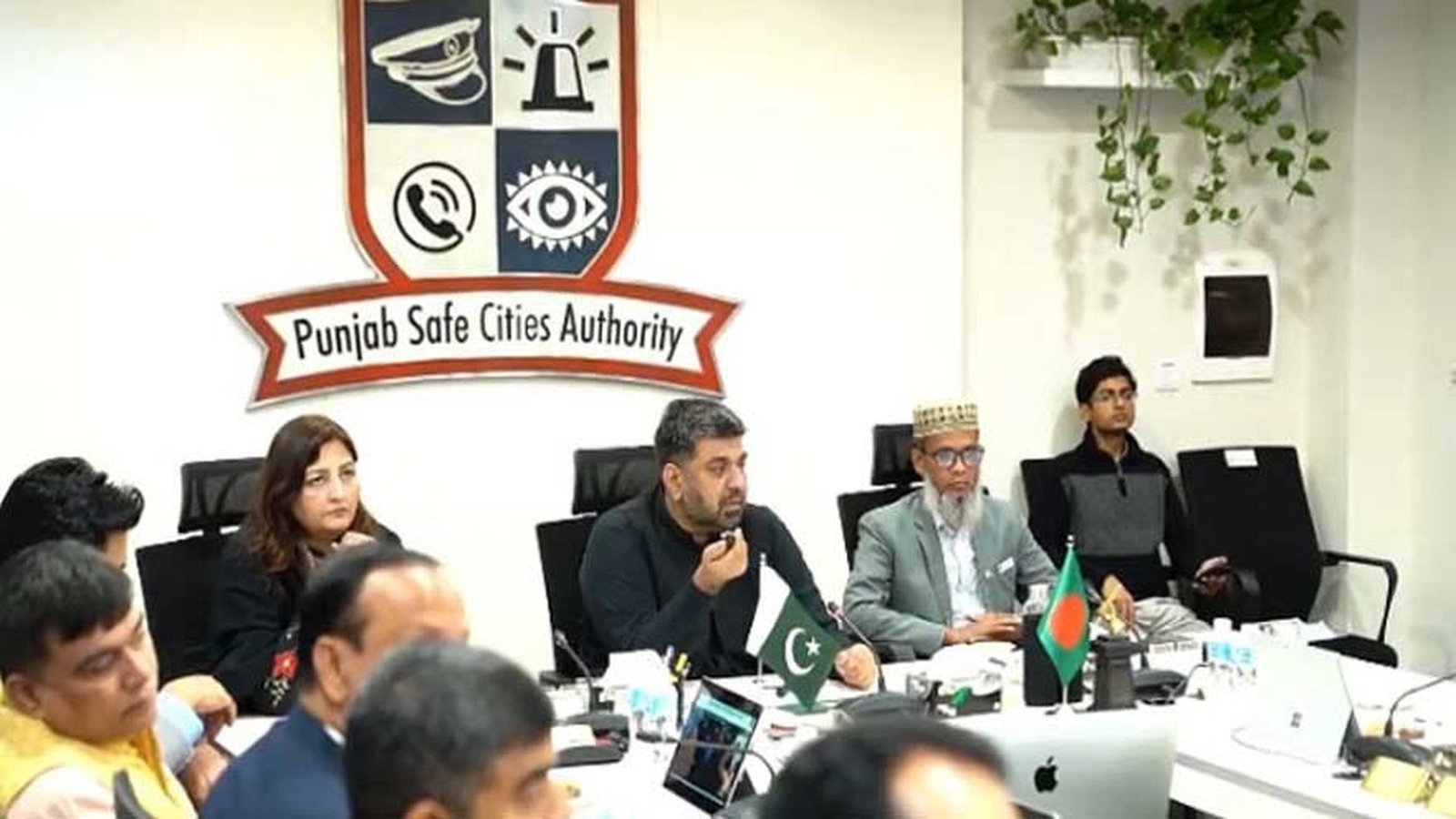
    A 35-member high-level Bangladeshi civil service delegation has visited the Punjab Safe Cities Authority (PSCA) in Lahore, where it was briefed on advanced surveillance systems, artificial intelligence (AI), smart traffic management and the technologies used to enhance public safety.

    The delegation comprised additional secretaries, joint secretaries, director generals and senior officials from various ministries in Bangladesh. The Chief Administrative Officer of Safe Cities, Kamran Hameed, welcomed the visiting officials and arranged a tour of different departments of the authority.

    During the visit, the delegation observed the surveillance system operated through Safe City cameras, along with traffic management and emergency response mechanisms. Officials explained how the camera network is monitored around the clock and how it supports the police in responding to incidents across the city.

    The Managing Director of Safe Cities, Muhammad Ahsan Younas, gave the Bangladeshi officials a detailed briefing on the authority’s operations, its technological infrastructure and the Smart Safe Cities programme. The delegation was informed that Punjab’s surveillance network comprises 43 Smart Safe City Centres across the province.

    The briefing also highlighted plans to expand the smart surveillance network to the tehsil level under the vision of the Punjab chief minister, so that smaller towns can also benefit from camera-based monitoring and faster emergency response.

    The visiting officials were briefed on AI-powered surveillance, facial recognition technology and smart traffic management systems. Officials said the authority’s advanced AI systems were helping identify criminals, detect suspicious activities and support police operations in the province.

    The delegation also received briefings on AI-based crime analytics, number plate recognition and the modern virtual patrolling system. It was further informed about the authority’s international ISO certifications related to AI governance and information security.

    The visit offered the Bangladeshi officials a first-hand look at how Punjab is using technology for urban safety, and officials on both sides discussed the working of the Safe Cities model during the tour.

    Officials told the delegation that the camera network and the supporting software allow control-room staff to watch traffic flow, spot congestion and flag unusual activity, and that the same system feeds into emergency response so that police and rescue teams can be directed to an incident more quickly.

    The briefing also covered the authority’s work on virtual patrolling, in which operators monitor public places through cameras rather than relying only on physical patrols, and on number plate recognition, which helps trace vehicles linked to crime or traffic violations. The delegation was told that these tools are already in use across the province’s Safe City centres.

  • OpenAI Launches ChatGPT Wallet for AI Agent Purchases

    OpenAI Launches ChatGPT Wallet for AI Agent Purchases

    OpenAI has launched a new payment feature, ChatGPT Wallet, that lets its artificial intelligence agents shop online and pay for things on a user’s behalf. The company says the tool turns its chatbot from an adviser that finds products into an assistant that can also finish the purchase.

    The feature works by letting users store a credit or debit card in their ChatGPT Wallet. When the AI is asked to find a product, compare options or arrange a trip, it can move through the checkout itself and complete the payment. OpenAI says the real card number is replaced with a secure token, so the shop never sees the customer’s actual card details.

    Despite the automation, no payment goes through on its own. OpenAI says every single purchase needs the user’s explicit confirmation, verified by a biometric check such as Face ID or Touch ID on a supported device, before the transaction can be completed.

    The system was built together with the major payment networks American Express, Mastercard and Visa, as well as banks including Chase, so that it works with existing cards and merchant systems.

    For now the rollout is limited. The wallet is available only to ChatGPT Pro subscribers who are 18 or older and based in the United States, and only with eligible cards issued in the US.

    OpenAI has also published a guide for online shops, called a commerce partner playbook, and is working with payment processors Stripe, Adyen and Checkout.com. The aim is to help businesses adjust their firewalls, content delivery networks and fraud filters so that genuine purchases made by AI agents are recognised and accepted rather than blocked.

    The launch is part of a wider shift in the AI industry, where companies are racing to move their assistants beyond answering questions and into carrying out tasks. Letting an agent spend money is one of the most sensitive steps in that shift, and OpenAI is betting that card tokenisation plus a biometric check on every purchase will be enough to win users’ trust.

    Whether shoppers are ready to hand their wallets to an AI remains to be seen, but the arrival of ChatGPT Wallet marks the moment when online checkout stopped being a job only humans could do.