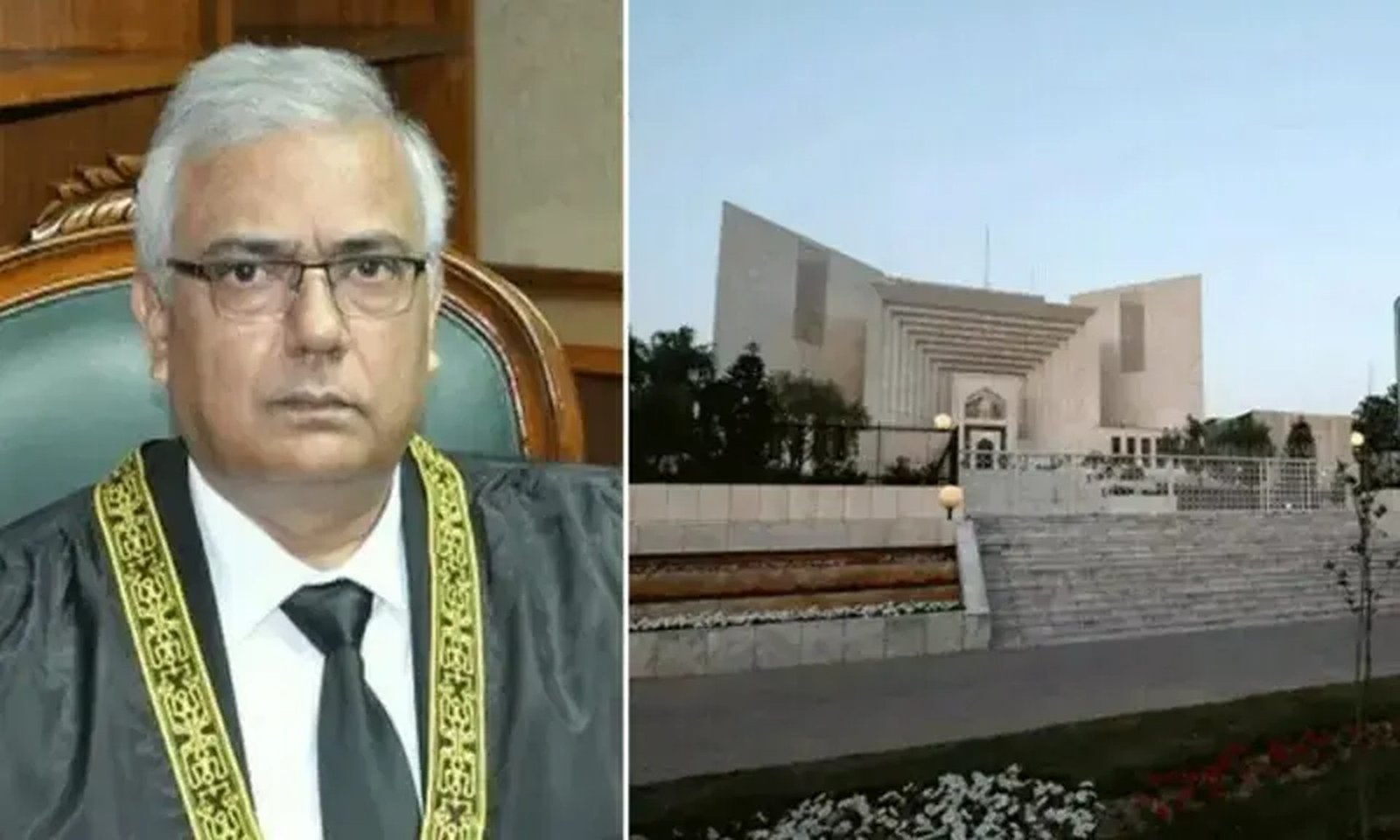
Tag: Aminuddin Khan

  • Federal Constitutional Court Rules Technical Errors Cannot Cost Heirs Their Inheritance Share

    Federal Constitutional Court Rules Technical Errors Cannot Cost Heirs Their Inheritance Share

    The Federal Constitutional Court has issued an important written judgment on a long-standing dispute over the division of property and inheritance, ruling that errors in the mutation of inheritance or mere technical mistakes cannot deprive any heir of their Shariah share, ARY News reported on Tuesday.

    The 11-page judgment, authored by Chief Justice Aminuddin Khan, upheld the Lahore High Court’s decision and dismissed all appeals filed in the case.

    The court held that kinship or blood relation alone does not decide the division of inheritance, and the absence of a direct male heir does not automatically make a near relative entitled. Property must be divided under Islamic inheritance law and the prescribed legal categories, the judgment said.

    The court clarified that after the fixed Shariah shares of the widow and sisters are distributed, the remaining property belongs to the ‘asaba’ — the legal male relative — and where a legal asaba exists, the principle of ‘radd’ (redistribution) cannot be applied.

    In this case, the court ruled that after the fixed shares were distributed, the remaining share belonged to the deceased’s paternal cousin, upholding his legal claim. The court added that mere revenue entries or paperwork formalities cannot change a person’s actual Shariah right.

  • FCC: PHC Can Hear Cases Except Governor’s Rule, MPO

    FCC: PHC Can Hear Cases Except Governor’s Rule, MPO

    The Federal Constitutional Court (FCC) on Monday clarified that the Peshawar High Court (PHC) can continue hearing constitutional petitions under Article 199 of the Constitution, except for cases relating to the imposition of governor’s rule in Khyber Pakhtunkhwa and detentions under the Maintenance of Public Order (MPO) Ordinance.

    A two-member bench headed by Chief Justice Aminuddin Khan and comprising Justice Aamir Farooq issued the clarification while hearing a case concerning the Peshawar High Court’s jurisdiction following the imposition of emergency and governor’s rule in Khyber Pakhtunkhwa.

    The court clarified that its November 5 order, which had restricted proceedings under Article 199, applied only to cases concerning governor’s rule and arrests made under the MPO Ordinance. The high court can therefore proceed with other constitutional petitions.

    During the hearing, Pakistan Tehreek-e-Insaf (PTI) Chairman Barrister Gohar Ali Khan argued that the November 5 order had effectively halted constitutional proceedings at the Peshawar High Court, affecting litigants as well as the professional activities of lawyers. The bench responded that the restriction was limited to matters relating to governor’s rule and detentions made under the MPO Ordinance.

    On the occasion, Barrister Gohar sought court relief for political workers and leaders detained under Section 3 of the MPO Ordinance, arguing that they had been left without an effective legal remedy. He pointed out that a review board had not yet been constituted in the province to examine detention cases, and stressed the need for action regarding individuals held at police lines.

    The Khyber Pakhtunkhwa advocate general informed the court that a review board would be constituted after the completion of three months, following which cases involving individuals detained beyond that period could be referred to the board.

    Chief Justice Aminuddin Khan observed that several miscellaneous applications had been filed at the court’s Peshawar registry and would be examined when placed before the bench. He added that, apart from the application filed by the bar council, the remaining applications had not yet been fixed for hearing.

    The court also allowed the Peshawar Bar Council to become a party to the proceedings, observing that the matter concerning the imposition of emergency involved an important constitutional question and warranted the participation of bar councils.

    Following the hearing, Barrister Gohar said in a statement on social media platform X that he had requested the court to allow the Peshawar High Court to hear petitions challenging the emergency and governor’s rule, as well as cases seeking the recovery of detained party leaders. He said the November 5 order had also affected constitutional petitions concerning the chief minister, provincial assembly speaker and other members of parliament.

    He maintained that denying individuals arrested under the MPO Ordinance access to bail and judicial hearings was contrary to fundamental rights. The clarification, according to the court, draws a clear line between the limited categories of cases covered by the November 5 order and the wider range of constitutional petitions that the Peshawar High Court may continue to hear.

  • ایف سی سی: گورنر راج، ایم پی او کے سوا مقدمات پشاور ہائیکورٹ سن سکتی ہے

    ایف سی سی: گورنر راج، ایم پی او کے سوا مقدمات پشاور ہائیکورٹ سن سکتی ہے

    وفاقی آئینی عدالت نے پیر کے روز واضح کیا کہ پشاور ہائیکورٹ آئین کے آرٹیکل 199 کے تحت آئینی درخواستیں سننا جاری رکھ سکتی ہے، سوائے ان مقدمات کے جن کا تعلق خیبر پختونخوا میں گورنر راج کے نفاذ اور مینٹیننس آف پبلک آرڈر (ایم پی او) آرڈیننس کے تحت حراستوں سے ہے۔

    چیف جسٹس امین الدین خان کی سربراہی میں دو رکنی بینچ، جس میں جسٹس عامر فاروق بھی شامل تھے، نے یہ وضاحت خیبر پختونخوا میں ایمرجنسی اور گورنر راج کے نفاذ کے بعد پشاور ہائیکورٹ کے دائرہ اختیار سے متعلق ایک مقدمے کی سماعت کے دوران جاری کی۔

    عدالت نے واضح کیا کہ اس کا پانچ نومبر کا حکم، جس نے آرٹیکل 199 کے تحت کارروائی کو محدود کیا تھا، صرف گورنر راج اور ایم پی او آرڈیننس کے تحت گرفتاریوں سے متعلق مقدمات پر لاگو ہوتا ہے۔ اس لیے ہائیکورٹ دیگر آئینی درخواستوں پر کارروائی جاری رکھ سکتی ہے۔

    سماعت کے دوران پاکستان تحریک انصاف کے چیئرمین بیرسٹر گوہر علی خان نے مؤقف اختیار کیا کہ پانچ نومبر کے حکم نے پشاور ہائیکورٹ میں آئینی کارروائی کو عملاً روک دیا تھا، جس سے سائلین کے ساتھ ساتھ وکلا کی پیشہ ورانہ سرگرمیاں بھی متاثر ہوئی تھیں۔ بینچ نے جواب دیا کہ یہ پابندی صرف گورنر راج اور ایم پی او آرڈیننس کے تحت حراستوں سے متعلق معاملات تک محدود ہے۔

    اس موقع پر بیرسٹر گوہر نے ایم پی او آرڈیننس کی دفعہ 3 کے تحت حراست میں لیے گئے سیاسی کارکنوں اور رہنماؤں کے لیے عدالت سے ریلیف طلب کیا اور کہا کہ انہیں مؤثر قانونی چارہ جوئی سے محروم کر دیا گیا ہے۔ انہوں نے نشاندہی کی کہ صوبے میں حراستی مقدمات کا جائزہ لینے کے لیے ابھی تک کوئی ریویو بورڈ تشکیل نہیں دیا گیا، اور پولیس لائنز میں قید افراد کے بارے میں اقدام کی ضرورت پر زور دیا۔

    خیبر پختونخوا کے ایڈووکیٹ جنرل نے عدالت کو بتایا کہ تین ماہ مکمل ہونے کے بعد ریویو بورڈ تشکیل دیا جائے گا، جس کے بعد اس مدت سے زائد عرصے سے حراست میں موجود افراد کے مقدمات بورڈ کو بھیجے جا سکیں گے۔

    چیف جسٹس امین الدین خان نے مشاہدہ کیا کہ عدالت کی پشاور رجسٹری میں کئی متفرق درخواستیں دائر کی گئی ہیں، اور جب وہ بینچ کے سامنے پیش کی جائیں گی تو ان کا جائزہ لیا جائے گا۔ انہوں نے مزید کہا کہ بار کونسل کی درخواست کے علاوہ باقی درخواستیں ابھی تک سماعت کے لیے مقرر نہیں کی گئی ہیں۔

    عدالت نے پشاور بار کونسل کو کارروائی میں فریق بننے کی اجازت بھی دی، اور مشاہدہ کیا کہ ایمرجنسی کے نفاذ سے متعلق معاملہ ایک اہم آئینی سوال ہے جس میں بار کونسلوں کی شرکت ضروری ہے۔

    سماعت کے بعد بیرسٹر گوہر نے سوشل میڈیا پلیٹ فارم ایکس پر ایک بیان میں کہا کہ انہوں نے عدالت سے درخواست کی تھی کہ پشاور ہائیکورٹ کو ایمرجنسی اور گورنر راج کو چیلنج کرنے والی درخواستوں کے ساتھ ساتھ حراست میں لیے گئے پارٹی رہنماؤں کی بازیابی کے مقدمات سننے کی اجازت دی جائے۔ انہوں نے کہا کہ پانچ نومبر کے حکم نے وزیراعلیٰ، صوبائی اسمبلی کے اسپیکر اور پارلیمنٹ کے دیگر ارکان سے متعلق آئینی درخواستوں کو بھی متاثر کیا تھا۔

    انہوں نے مؤقف اختیار کیا کہ ایم پی او آرڈیننس کے تحت گرفتار افراد کو ضمانت اور عدالتی سماعت تک رسائی سے محروم کرنا بنیادی حقوق کے منافی ہے۔ عدالت کے مطابق، یہ وضاحت پانچ نومبر کے حکم کے تحت آنے والے مقدمات کی محدود اقسام اور پشاور ہائیکورٹ کے سامنے جاری رہنے والی آئینی درخواستوں کے وسیع دائرے کے درمیان واضح حد کھینچتی ہے۔

  • Constitutional court bars PHC from 3-MPO detention cases

    Constitutional court bars PHC from 3-MPO detention cases

    The Federal Constitutional Court has restrained the Peshawar High Court from hearing cases concerning arrests under Section 3 of the Maintenance of Public Order Ordinance in Khyber Pakhtunkhwa.

    A two-member bench of the court, headed by Chief Justice Aminuddin Khan, heard the case on Thursday. The Khyber Pakhtunkhwa government had challenged several orders of the high court that had restrained arrests under the ordinance, known as 3-MPO.

    The high court had earlier issued orders restraining the authorities from making arrests under Section 3 of the ordinance. It had also ordered the release of 28 workers of Pakistan Tehreek-e-Insaf who had been detained in various districts of the province.

    The provincial government challenged those orders before the Federal Constitutional Court, arguing that the high court could not interfere in areas where the army is deployed under Article 245 of the Constitution.

    The Khyber Pakhtunkhwa advocate general argued that the high court could not exercise its jurisdiction under Article 199 in such matters. The court’s written order states that proceedings under Article 199 filed in the Peshawar High Court on or after 12 October 2026 shall remain suspended under Article 245(4) of the Constitution.

    The court suspended the challenged orders passed by different benches of the Peshawar High Court and issued notices to the parties in the matter. After issuing the directives, the court adjourned further proceedings indefinitely.

    Justice Aamer Farooq observed during the hearing that the high court received several cases under Article 199 on a daily basis. He asked whether the high court would not hear cases that came before it every day.

    Former additional advocate general Shah Faisal Ilyas appeared on behalf of the parties and asked the court to hear the parties before issuing an interim injunction. He argued that the provincial government’s three objections could not be sustained.

    Responding to the arguments, Chief Justice Khan said the parties could file their objections after examining the court’s order. The court also sought a report from the advocate general within seven days regarding the deployment of the army and the areas where it is no longer required.

    The case arises from the situation in Khyber Pakhtunkhwa, where the President proclaimed emergency and governor’s rule in the province on 11 October 2026 under Articles 232 and 234 of the Constitution. Preventive detentions under the Maintenance of Public Order Ordinance followed.

    The dispute between the two courts turns on whether the high court can hear challenges to those detentions while the army is deployed under Article 245. The Federal Constitutional Court’s order, for now, says it cannot, and that cases filed on or after 12 October will remain suspended.

    The court’s decision is an interim one, and the parties will have a chance to file objections. But it is already a significant ruling, because it limits the high court’s role in detention cases in the province at a time when dozens of workers have been detained.