Tag: agriculture

  • Punjab Water Demand Outstrips Supply as Groundwater Falls 5.5bn Cubic Metres a Year, FAO Warns

    Punjab Water Demand Outstrips Supply as Groundwater Falls 5.5bn Cubic Metres a Year, FAO Warns

    Punjab’s demand for water already exceeds supply across all sectors, a new report by the United Nations Food and Agriculture Organisation (FAO) has warned. The report, titled “Water and Land Accounting in Punjab”, was published on Monday, according to Azaad Urdu, and paints a stark picture of the province’s worsening water crisis.

    Groundwater in the province is falling by about 5.5 billion cubic metres a year, the report says, while surface water is coming under growing pressure. The steady decline in groundwater levels lies at the heart of the crisis facing Punjab, where demand has now outstripped the water available to meet it.

    To bridge the gap and sustain its groundwater aquifer, the province needs an extra 10 billion cubic metres of usable water each year, the report finds. That shortfall must be closed, it warns, if the aquifer is to be sustained and the province’s water needs are to be met in the years ahead.

    The report recommends setting up a special commission to provide the extra water and tackle the crisis. The proposed commission would be tasked with finding ways to secure the additional supplies Punjab needs and addressing the underlying causes of the water shortage.

    In preparing the report, the FAO took advice from water specialists, including former WAPDA chairman Shamsul Mulk and former IRSA chairman Rao Irshad Ali Khan. Their input informed the findings, which the report says rest on annual water accounts covering five water years, from 2012 to 2017.

    The findings were also carried by Feature Pakistan, which published its report on the FAO study on 16 November 2026. The coverage of the study in more than one outlet underlines the attention the report’s warning is receiving.

    The report does not set out where the additional water would come from; it recommends a special commission to take up that task. For now, its central message is clear: Punjab is using more water than it has, its groundwater is falling by billions of cubic metres every year, and without action to find an extra 10 billion cubic metres a year, the gap between demand and supply will only grow.

  • Punjab Assembly Issues Agenda for November 16 Session

    Punjab Assembly Issues Agenda for November 16 Session

    The agenda for the Punjab Assembly session scheduled for November 16 has been issued, with key legislative business, questions on government departments and public issues set to feature during the proceedings, Dunya News reported.

    According to the agenda, the session will be held at 2pm tomorrow at the Punjab Assembly building in Lahore.

    During the sitting, provincial lawmakers will receive answers to questions concerning the Agriculture and Fisheries Departments, including their performance, administrative matters and public complaints.

    Members of the assembly are also scheduled to move five adjournment motions on various public and administrative issues, drawing the House’s attention to matters of public concern.

    The question hour is one of the main ways in which members of a provincial assembly hold the government to account. Ministers and department officials are required to answer questions tabled by members about the working of their departments, including service delivery and complaints from the public.

    Questions on agriculture are a regular feature of the Punjab Assembly’s business, given the importance of farming to the province’s economy and the large number of people who depend on it for their livelihoods. Fisheries, which falls under the same administrative area in the province, also affects the livelihoods of fishing communities.

    An adjournment motion is a device through which a member can ask the House to set aside its scheduled business to discuss a matter of urgent public importance. Members use it to raise issues that they believe need the immediate attention of the government and the House.

    Five such motions have been listed for Monday’s sitting, covering various public and administrative issues, according to the agenda issued by the assembly secretariat.

    The Punjab Assembly is the elected legislature of Pakistan’s most populous province, and its sessions are the forum in which provincial laws are debated and passed and the work of the provincial government is questioned by the opposition and treasury members alike.

    The agenda issued for Monday sets out the order of business for the day, beginning with the question hour and followed by the adjournment motions and other legislative business listed for the sitting.

  • پنجاب اسمبلی کا 16 نومبر کے اجلاس کا ایجنڈا جاری

    پنجاب اسمبلی کا 16 نومبر کے اجلاس کا ایجنڈا جاری

    16 نومبر کو ہونے والے پنجاب اسمبلی کے اجلاس کا ایجنڈا جاری کر دیا گیا ہے، جس میں اہم قانون سازی، سرکاری محکموں سے متعلق سوالات اور عوامی امور شامل ہوں گے، دنیا نیوز نے رپورٹ کیا۔

    ایجنڈے کے مطابق اجلاس کل دوپہر 2 بجے لاہور میں پنجاب اسمبلی کی عمارت میں ہوگا۔

    اجلاس کے دوران صوبائی ارکان کو محکمہ زراعت اور محکمہ ماہی پروری سے متعلق سوالات کے جوابات ملیں گے، جن میں ان کی کارکردگی، انتظامی امور اور عوامی شکایات شامل ہیں۔

    اسمبلی کے ارکان مختلف عوامی و انتظامی امور پر پانچ تحاریک التواء بھی پیش کریں گے، جن کے ذریعے ایوان کی توجہ عوامی تشویش کے معاملات کی طرف مبذول کرائی جائے گی۔

    سوال کا وقت صوبائی اسمبلی کے ارکان کے لیے حکومت کا احتساب کرنے کے اہم طریقوں میں سے ایک ہے۔ وزراء اور محکموں کے حکام کو ارکان کی جانب سے پیش کیے گئے سوالات کے جوابات دینا ہوتے ہیں، جن میں ان کے محکموں کی کارکردگی، خدمات کی فراہمی اور عوام کی شکایات شامل ہوتی ہیں۔

    زراعت سے متعلق سوالات پنجاب اسمبلی کی کارروائی کا ایک معمول کا حصہ ہیں، کیونکہ کاشتکاری صوبے کی معیشت کے لیے اہم ہے اور بڑی تعداد میں لوگ اپنی روزی روٹی کے لیے اس پر انحصار کرتے ہیں۔ ماہی پروری، جو صوبے میں اسی انتظامی شعبے میں آتی ہے، ماہی گیر برادریوں کی روزی روٹی کو بھی متاثر کرتی ہے۔

    تحریک التواء ایک ایسا طریقہ ہے جس کے ذریعے کوئی رکن ایوان سے مطالبہ کر سکتا ہے کہ وہ فوری عوامی اہمیت کے معاملے پر بحث کے لیے اپنا طے شدہ کام ایک طرف رکھ دے۔ ارکان اسے ان امور کو اٹھانے کے لیے استعمال کرتے ہیں جن پر ان کے خیال میں حکومت اور ایوان کی فوری توجہ کی ضرورت ہوتی ہے۔

    اسمبلی سیکرٹریٹ کی جانب سے جاری کردہ ایجنڈے کے مطابق پیر کے اجلاس کے لیے ایسی پانچ تحاریک درج کی گئی ہیں، جن میں مختلف عوامی و انتظامی امور شامل ہیں۔

    پنجاب اسمبلی پاکستان کے سب سے زیادہ آبادی والے صوبے کی منتخب قانون ساز اسمبلی ہے، اور اس کے اجلاس وہ فورم ہیں جہاں صوبائی قوانین پر بحث اور انہیں منظور کیا جاتا ہے اور صوبائی حکومت کے کام پر اپوزیشن اور حکومتی ارکان سوال اٹھاتے ہیں۔

    پیر کے لیے جاری کردہ ایجنڈے میں دن کی کارروائی کی ترتیب بیان کی گئی ہے، جس کا آغاز سوال کے وقت سے ہوگا اور اس کے بعد تحاریک التواء اور اجلاس کے لیے درج دیگر قانون سازی کا کام ہوگا۔

  • پنجاب میں گنے کی کاشت میں 16 فیصد اضافہ، کرشنگ سیزن شروع

    پنجاب میں گنے کی کاشت میں 16 فیصد اضافہ، کرشنگ سیزن شروع

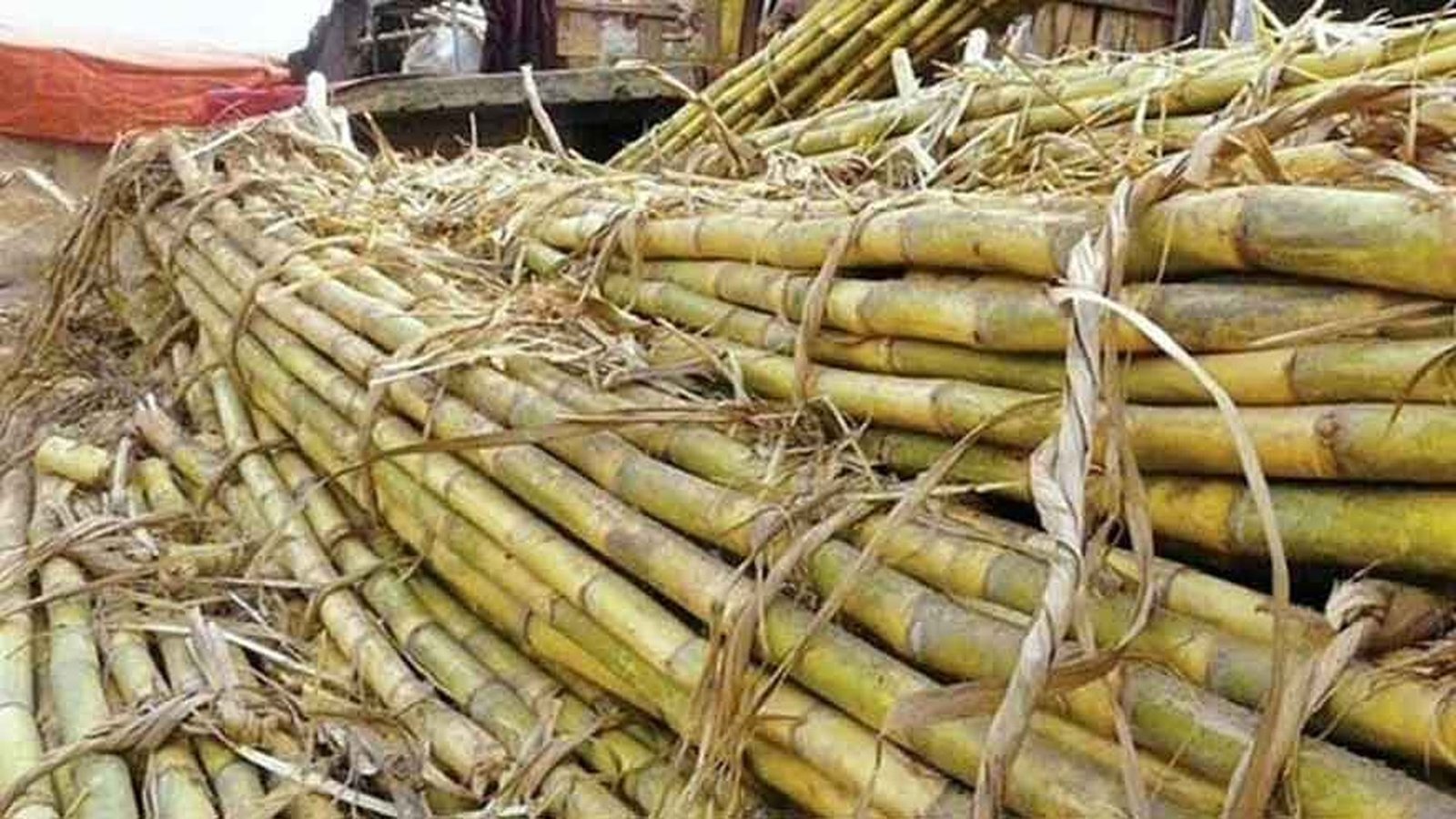
    پنجاب میں گنے کی کاشت میں رواں برس 16 فیصد اضافہ ہو کر 24 لاکھ 52 ہزار ایکڑ ہو گئی ہے اور صوبائی حکومت نے اتوار سے گنے کے کرشنگ سیزن کے آغاز کا نوٹیفکیشن جاری کر دیا ہے۔ سرکاری ذرائع کے مطابق یہ اعلان صوبے میں 2026-27 کے کرشنگ سیزن کا باقاعدہ آغاز ہے۔

    نوٹیفکیشن کے مطابق پنجاب بھر کی تمام شوگر ملیں کاشتکاروں سے گنا خریدیں گی جبکہ گنے کی قیمت ملیں مارکیٹ فورسز کے طریقہ کار کے تحت طے کریں گی۔ پنجاب ملک میں گنے کی سب سے زیادہ پیداوار والا صوبہ ہے اور یہاں کی ملیں ملکی چینی کی ضروریات کا بڑا حصہ پورا کرتی ہیں۔

    سرکاری ذرائع نے بتایا کہ رواں برس پنجاب بھر میں 24 لاکھ 52 ہزار ایکڑ پر گنا کاشت کیا گیا ہے جو گزشتہ برس کے مقابلے میں 16 فیصد زیادہ ہے۔ صوبے میں کاشتکار نقد آور فصل کے طور پر گنے کی طرف تیزی سے مائل ہو رہے ہیں اور یہی وجہ ہے کہ کاشت کا رقبہ مسلسل بڑھ رہا ہے۔

    یہ اعداد و شمار گزشتہ ماہ سامنے آنے والے سرکاری تخمینوں سے مطابقت رکھتے ہیں۔ وزارت قومی غذائی تحفظ و تحقیق کی دستاویز کے حوالے سے آئی این پی ویلتھ پاکستان نے 29 اکتوبر کو رپورٹ کیا تھا کہ پنجاب میں گنے کی کاشت کا رقبہ 15.9 فیصد بڑھ کر 9 لاکھ 92 ہزار ہیکٹر ہو گیا ہے جو تقریباً 24 لاکھ 51 ہزار ایکڑ کے برابر ہے۔ اسی دستاویز کے مطابق پنجاب میں گنے کی پیداوار میں 11.8 فیصد اضافے کا تخمینہ ہے اور پیداوار 7 کروڑ 37 لاکھ 56 ہزار ٹن تک پہنچ سکتی ہے۔

    ملکی سطح پر پاکستان میں گنے کی پیداوار 2026-27 میں 8.8 فیصد بڑھ کر 9 کروڑ 72 لاکھ 90 ہزار ٹن ہونے کا عبوری تخمینہ ہے جبکہ گزشتہ برس پیداوار 8 کروڑ 94 لاکھ 50 ہزار ٹن تھی۔ وزارت کی دستاویز کے مطابق کاشت کا رقبہ 11.2 فیصد بڑھا ہے۔ وفاقی کمیٹی برائے زراعت نے گنے کی کاشت کا ہدف 11 لاکھ 47 ہزار ہیکٹر مقرر کیا تھا جبکہ عبوری تخمینے کے مطابق کاشت کا رقبہ ہدف سے 18.5 فیصد زیادہ ہے۔

    کرشنگ سیزن کے آغاز کا مطالبہ کاشتکاروں کی جانب سے زور و شور سے کیا جا رہا تھا۔ پاکستان کسان اتحاد نے مطالبہ کیا تھا کہ حکومت 2026-27 کا کرشنگ سیزن 10 نومبر تک شروع کرے اور گنے کی قیمت کم از کم 700 روپے فی من مقرر کرے۔ کاشتکاروں کا کہنا تھا کہ پیداواری اخراجات 550 روپے فی من تک پہنچ گئے ہیں جبکہ گزشتہ سیزن میں کاشتکاروں کو اوسطاً 460 روپے فی من ملے تھے۔

    پنجاب شوگر فیکٹریز کنٹرول ایکٹ 1950 کے تحت ملیں حکومت کی مقرر کردہ تاریخ تک اور زیادہ سے زیادہ 30 نومبر تک کرشنگ شروع کرنے کی پابند ہیں۔ گزشتہ سیزن میں پنجاب نے ملوں کو 15 نومبر تک کرشنگ شروع کرنے کا حکم دیا تھا اور رواں برس بھی نوٹیفکیشن کے مطابق سیزن 15 نومبر سے شروع ہو رہا ہے۔

    قیمتوں کے نظام میں بھی تبدیلی آ رہی ہے۔ وفاقی حکومت چینی کے شعبے کو ضابطوں سے آزاد کرنے کی طرف بڑھ رہی ہے جس میں سرکاری قیمت کے تعین کے طریقہ کار کا خاتمہ اور درآمد و برآمد کے فیصلے مارکیٹ کے سپرد کرنا شامل ہے۔ نئے نوٹیفکیشن کے تحت ملیں گنے کی قیمت مارکیٹ فورسز کے تحت طے کریں گی اور کاشتکاروں کے نمائندے بروقت ادائیگیوں کے حوالے سے اس تبدیلی پر نظر رکھے ہوئے ہیں۔

    کرشنگ سیزن کے آغاز کے ساتھ صوبے بھر کی ملیں آئندہ دنوں میں کاشتکاروں سے گنا خریدنا شروع کر دیں گی۔ آئی این پی ویلتھ پاکستان کی رپورٹ کے مطابق پنجاب میں رواں برس تقریباً 6 کروڑ ٹن گنا پیدا ہونے کا تخمینہ ہے جس سے تقریباً 48 لاکھ ٹن چینی حاصل ہو سکتی ہے۔

  • Punjab Sugarcane Area Up 16% as Crushing Season Begins

    Punjab Sugarcane Area Up 16% as Crushing Season Begins

    Sugarcane cultivation in Punjab has increased by 16 per cent this year to 2.452 million acres, and the provincial government has issued a notification announcing the start of the sugarcane crushing season from Sunday, according to official sources.

    According to the notification, all sugar mills across Punjab will purchase sugarcane from growers, while the mills will determine sugarcane prices under the market forces mechanism. The announcement marks the formal start of the 2026-27 crushing season in the province, which grows most of Pakistan’s sugarcane.

    Official sources said sugarcane had been cultivated on 2.452 million acres across Punjab this year, marking a 16 per cent increase compared with the area cultivated last year. The rise continues a trend of expanding cane area in the province, where growers have increasingly turned to sugarcane as a cash crop.

    The figures match official estimates reported last month. A document of the Ministry of National Food Security and Research, reported by INP-Wealth Pakistan on 29 October, put the increase in Punjab’s sugarcane area at 15.9 per cent, to 992,000 hectares, which is equal to about 2.451 million acres. The same document estimated Punjab’s sugarcane production would rise by 11.8 per cent to 73.756 million tonnes.

    At the national level, Pakistan’s sugarcane production is provisionally estimated to increase by 8.8 per cent to 97.29 million tonnes in 2026-27, compared with 89.45 million tonnes in the previous year, as the area under cultivation expands by 11.2 per cent, according to the ministry document. The Federal Committee on Agriculture had set a target of 1.147 million hectares for sugarcane cultivation, and the provisional estimates show the cultivated area exceeded that target by 18.5 per cent.

    The start of crushing had been a pressing demand from growers. Pakistan Kissan Ittehad had demanded that the government start the 2026-27 crushing season by 10 November and fix the cane price at no less than Rs700 per maund, saying production costs had reached Rs550 a maund. Growers received an average of Rs460 per maund last season, according to provincial officials.

    Under the Punjab Sugar Factories Control Act, 1950, mills must start crushing by a date set by the government, and no later than 30 November. Last season, Punjab ordered mills to start by 15 November. This year, the notification brings the season into operation from 15 November, in line with that timetable.

    The pricing arrangement is also changing. The federal government is moving to deregulate the sugar sector, including abolishing the official price-fixing mechanism and handing import and export decisions to the market. Under the new notification, mills will determine cane prices under market forces, a shift growers’ representatives have watched closely because of concerns about timely payments.

    With the crushing season now under way, mills across the province are expected to begin buying cane from growers in the coming days. The larger crop, estimated at about 60 million tons of cane from Punjab this year, is expected to produce around 4.8 million tons of sugar, according to earlier estimates reported by INP-Wealth Pakistan.

  • Wheat Support Price 2027: PM Sets Rs4,500 per Maund

    Wheat Support Price 2027: PM Sets Rs4,500 per Maund

    Prime Minister Shehbaz Sharif on Friday approved an indicative wheat price of Rs4,500 per maund (40 kilograms) for the 2027 crop, an increase of Rs1,000 over last year’s rate of Rs3,500, in a move aimed at encouraging wheat cultivation and strengthening national food security.

    According to a Prime Minister’s Office news release, the prime minister said the increase was meant to provide relief to growers facing higher production costs, rising fuel prices and inflationary pressure. He said giving farmers an effective incentive to sow wheat was among the main objectives of the decision.

    The prime minister said the decision would be an important step towards strengthening national food security, encouraging local production and bringing stability to the agriculture sector. The new price, he said, was expected to help farmers recover their input costs and earn a reasonable profit.

    Shehbaz Sharif acknowledged the guidance of President Asif Ali Zardari and Pakistan Muslim League-Nawaz leader Nawaz Sharif in the matter, as well as consultations with the chief ministers of Punjab and Sindh. He expressed special thanks to Punjab Chief Minister Maryam Nawaz for her cooperation and valuable suggestions during the consultative process, and also thanked Sindh Chief Minister Murad Ali Shah for his cooperation.

    The proposed rate still falls Rs500 short of the price demanded by farmers, according to a report in The Express Tribune.

    Separately, National Food Security Minister Rana Tanveer Hussain said Prime Minister Shehbaz Sharif would coordinate with the provinces to establish a uniform wheat rate as the government sought to stabilise the market. Speaking to the media in Islamabad on Friday after inaugurating the upgraded Central Plant Quarantine Laboratory (CPQL), he said farmers had received low prices for their wheat and expressed hope that market prices would ease within a few days.

    The minister said the federal government had reserved one million metric tonnes of wheat and issued directives to preserve the stocks to ensure food supplies for the population. He added that Pakistan had a surplus of rice and tomatoes, and that surplus sugar could be exported to benefit farmers, noting that the ex-mill price of sugar was currently below the cost of production.

    The CPQL was upgraded at a cost of Rs400 million, the minister said, adding that the number of interceptions in the plant quarantine sector had already fallen from 376 to 23 and the upgraded facility was expected to bring further improvement in testing standards.

    Livestock sector reforms

    The prime minister also approved the restructuring of the Livestock and Dairy Development Board and directed that the selection of its chairman and members be carried out transparently and strictly on merit, according to the Prime Minister’s Office.

    He directed the authorities concerned to present a comprehensive action plan for the complete eradication of foot-and-mouth disease, with clear targets, measurable results and a fixed timeframe. The federal government was also establishing a plant in Islamabad for the production of modern and effective livestock vaccines using its own resources.

    The prime minister called for engaging world-class consultants for the development of the livestock and dairy sector and for promoting partnerships with countries experienced in the field. Noting that Pakistan possessed vast potential in the livestock sector, he said it should be harnessed for exports and economic growth, boosting the rural economy and creating employment.