Tag: Abbas Araghchi

  • First Day of ECO Ministers’ Meeting Ends in Islamabad

    First Day of ECO Ministers’ Meeting Ends in Islamabad

    The first day of the 30th meeting of the Economic Cooperation Organization (ECO) Council of Ministers has concluded in Islamabad, Azaad Urdu reported on Sunday night.

    During the first day, the reports of the organisation’s various institutions, its annual performance and its future course of action were reviewed, and key documents were given final shape, according to the report.

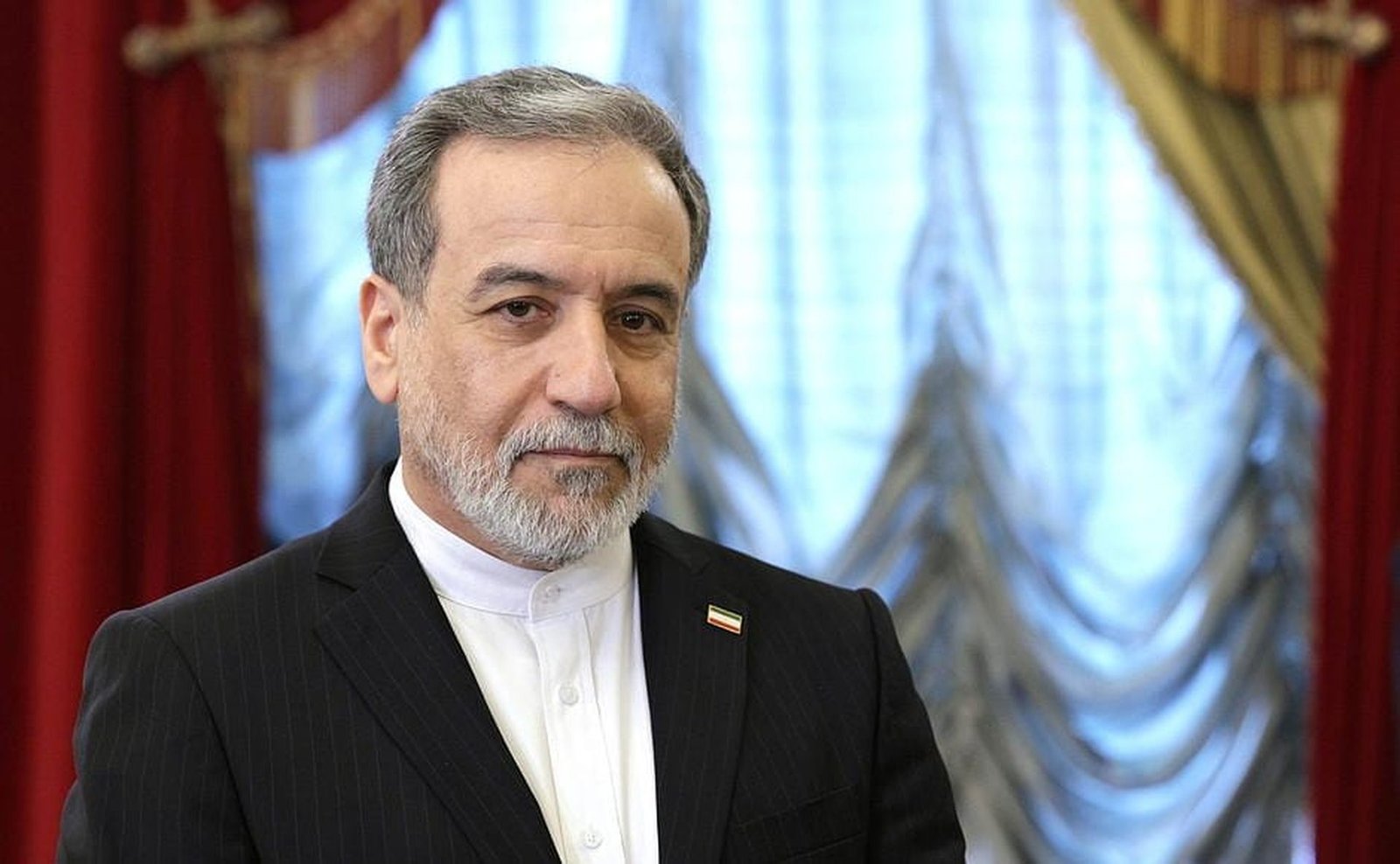
    The reports and recommendations will be presented for approval on the second day of the meeting, while Iranian Foreign Minister Abbas Araghchi will also take part in the session, the report said. Iran’s Foreign Ministry has said Araghchi is scheduled to participate in the 30th meeting of the Council of Foreign Ministers on Monday.

    The most important item on Monday’s agenda is the approval of the ECO Strategic Objectives 2035, which will replace ECO Vision 2025 as the organisation’s new strategic framework.

    Under the new strategic objectives, future priorities will be set for promoting regional trade, economic ties and joint cooperation in various sectors among the ECO member states, according to the documents cited in the report.

    Finalising the Islamabad Declaration and matters relating to the signing ceremony of the organisation’s various agreements will also come under discussion at the meeting.

    Also on the agenda are the first report of the high-level committee of deputy foreign ministers, the budget for 2027 and the reappointment of ECO Science Foundation president Professor Syed Komail Tayebi for another three years.

    On the second day, Deputy Prime Minister and Foreign Minister Ishaq Dar, as host and the current ECO chairman, will deliver the opening address, while Kazakhstan’s Foreign Minister Mukhtar Tileuberdi will speak in his capacity as the 2025 ECO chair.

    Iranian Foreign Minister Abbas Araghchi’s special participation will also be an important part of the meeting, while Turkiye’s Deputy Foreign Minister Musa Kulaklikaya is leading his country’s delegation.

    Foreign ministers and heads of delegations of the other member states, ECO observers, representatives of international partner institutions and heads of the organisation’s subsidiary bodies are also attending the meeting.

    Earlier on Sunday, a meeting of senior officials of the ECO member states was held, which reviewed the organisation’s overall performance, regional economic cooperation, future strategy and administrative and financial matters.

    The two-day meeting is being held in Islamabad on 15 and 16 November. Pakistan holds the ECO chairmanship for 2026-27 under the theme “Reviving Regionalism for a Resilient ECO”, and the ten-member organisation promotes regional trade and economic development.
  • اسلام آباد میں ای سی او وزرائے کونسل اجلاس کا پہلا روز مکمل

    اسلام آباد میں ای سی او وزرائے کونسل اجلاس کا پہلا روز مکمل

    اسلام آباد میں اقتصادی تعاون تنظیم (ای سی او) کی وزرائے کونسل کے 30ویں اجلاس کا پہلا روز مکمل ہو گیا ہے، آزاد اردو نے اتوار کی رات رپورٹ کیا۔

    رپورٹ کے مطابق پہلے روز تنظیم کے مختلف اداروں کی رپورٹس، سالانہ کارکردگی اور آئندہ کے لائحہ عمل کا جائزہ لیا گیا اور اہم دستاویزات کو حتمی شکل دے دی گئی۔

    ان رپورٹس اور سفارشات کو اجلاس کے دوسرے روز منظوری کے لیے پیش کیا جائے گا، جب کہ ایران کے وزیر خارجہ عباس عراقچی بھی اجلاس میں شرکت کریں گے۔ ایران کی وزارت خارجہ نے کہا ہے کہ عراقچی پیر کو وزرائے خارجہ کی کونسل کے 30ویں اجلاس میں شرکت کے لیے شیڈول ہیں۔

    پیر کے اجلاس کا سب سے اہم ایجنڈا ای سی او اسٹریٹجک اہداف 2035 کی منظوری ہے، جو ای سی او ویژن 2025 کی جگہ تنظیم کے لیے نیا اسٹریٹجک فریم ورک ہوگا۔

    رپورٹ میں حوالہ دی گئی دستاویزات کے مطابق نئے اسٹریٹجک اہداف کے تحت ای سی او رکن ممالک کے درمیان علاقائی تجارت، اقتصادی روابط اور مختلف شعبوں میں مشترکہ تعاون کو فروغ دینے کے لیے مستقبل کی ترجیحات کا تعین کیا جائے گا۔

    اجلاس میں اعلامیہ اسلام آباد کو حتمی شکل دینے اور تنظیم کے مختلف معاہدوں پر دستخط کی تقریب سے متعلق امور بھی زیر بحث آئیں گے۔

    ایجنڈے میں نائب وزرائے خارجہ کی اعلیٰ سطحی کمیٹی کی پہلی رپورٹ، سال 2027 کا بجٹ اور ای سی او سائنس فاؤنڈیشن کے موجودہ صدر پروفیسر سید کمیل طیبی کی مزید تین سال کے لیے دوبارہ تقرری کی منظوری بھی شامل ہے۔

    دوسرے روز نائب وزیراعظم اور وزیر خارجہ اسحاق ڈار بطور میزبان اور ای سی او کے موجودہ چیئرمین ابتدائی خطاب کریں گے، جب کہ قازقستان کے وزیر خارجہ مختار تلیوبردی 2025 کے ای سی او چیئر کی حیثیت سے اپنا بیان پیش کریں گے۔

    ایران کے وزیر خارجہ عباس عراقچی کی خصوصی شرکت بھی اجلاس کا اہم حصہ ہوگی، جب کہ ترکیے کے نائب وزیر خارجہ موسیٰ کلاک لکایا اپنے ملک کے وفد کی قیادت کر رہے ہیں۔

    اجلاس میں دیگر رکن ممالک کے وزرائے خارجہ، سربراہان وفود، ای سی او مبصرین، بین الاقوامی شراکت دار اداروں کے نمائندے اور تنظیم کے مختلف ذیلی اداروں کے سربراہان بھی شریک ہیں۔

    اس سے قبل اتوار کو ای سی او رکن ممالک کے سینئر حکام کا اجلاس منعقد ہوا، جس میں تنظیم کی مجموعی کارکردگی، علاقائی اقتصادی تعاون، مستقبل کی حکمت عملی اور انتظامی و مالی معاملات کا جائزہ لیا گیا۔

    دو روزہ اجلاس 15 اور 16 نومبر کو اسلام آباد میں ہو رہا ہے۔ پاکستان 2026-27 کے لیے ای سی او کی چیئرمین شپ “ایک لچکدار ای سی او کے لیے علاقائیت کی بحالی” کے موضوع کے تحت سنبھالے ہوئے ہے، اور دس رکنی تنظیم علاقائی تجارت اور اقتصادی ترقی کو فروغ دیتی ہے۔

  • Araghchi Speaks to 12 Foreign Ministers in Just Two Days

    Araghchi Speaks to 12 Foreign Ministers in Just Two Days

    Iran’s Foreign Minister Abbas Araghchi says he has spoken by telephone with 12 foreign ministers in the space of two days, as Tehran steps up a diplomatic push to calm tensions across the region.

    In a post on Instagram on Saturday, Araghchi said he had set out Iran’s “fundamental positions” in the calls and discussed the need to respect national sovereignty, bring an end to aggression and threats, avoid harmful foreign interference and stop insecurity from spreading. He also argued for regional security arrangements that do not involve powers from outside the region, according to reports of his post.

    The calls, held over the previous 48 hours, included his counterparts from Türkiye, Pakistan, Qatar, Oman, Egypt, Jordan, the Greek Cypriot administration of Southern Cyprus, Saudi Arabia, the United Arab Emirates, Kuwait, Tunisia and Iraq, Araghchi said.

    Talks come amid the US-Iran standoff

    The diplomatic round comes as efforts continue to contain the standoff between Washington and Tehran and to head off any return to open military confrontation. The United States has been pressing Iran for concessions over its nuclear programme as a condition for resuming negotiations, while Tehran has called for the lifting of US sanctions, the release of frozen Iranian funds and permission to export oil.

    The two sides have been exchanging messages through intermediaries in recent weeks. Araghchi has previously said Iran is ready to implement a plan to reopen the Strait of Hormuz within days if its conditions are met, and mediators from Qatar and Pakistan have been involved in carrying proposals between the two capitals.

    Iranian state media also reported that Araghchi spoke separately with his Tunisian counterpart, Mohamed Ali Nafti, late on Friday, with the two men discussing diplomatic efforts to ease tensions and strengthen regional stability. He also held a call with Iraqi Foreign Minister Fuad Hussein, during which Iraq proposed a committee of regional foreign ministers to travel between Tehran and Washington in search of a peaceful settlement, according to Iraqi officials.

    In the same round of calls, Araghchi reaffirmed what Tehran describes as Iran’s legitimate right to defend its sovereignty and national security, according to Iran’s Tasnim news agency, which said he stressed the need for regional security arrangements free from interference by outsiders.

  • Pakistan, Iran discuss region as Dar calls Araghchi

    Pakistan, Iran discuss region as Dar calls Araghchi

    Deputy Prime Minister and Foreign Minister Mohammad Ishaq Dar held a telephone conversation with his Iranian counterpart, Foreign Minister Seyyed Abbas Araghchi, on Thursday to discuss the evolving regional situation.

    According to the Foreign Office, the two foreign ministers exchanged views on recent developments across the region, with particular emphasis on the importance of continued diplomatic engagement to address outstanding issues.

    Dar reiterated that sustained dialogue and diplomacy are essential to resolving differences and promoting regional peace. He stressed that all parties should remain constructively engaged and maintain communication channels.

    He said active and sustained diplomatic efforts are necessary to ensure lasting peace, security and stability in the region, and that continued dialogue was the most appropriate means of addressing outstanding issues, managing developments and preventing further tensions.

    Dar urged all parties to remain positively engaged and pursue constructive approaches, according to the Foreign Office statement.

    The statement did not name any specific country, dispute or incident beyond the evolving regional situation and recent developments.

    The conversation comes at a time of heightened attention on regional diplomacy, with Pakistan maintaining contact with neighbouring countries on matters affecting peace and stability.

    Pakistan and Iran share a long border and have regularly discussed regional security, trade and border management in their diplomatic exchanges.

    Diplomatic engagement between the two countries has continued through regular contacts between their foreign ministers and other officials.

    Further details of the conversation were not immediately available, and the Foreign Office statement gave no indication of any specific agreement or joint announcement following the call.

    Pakistan has long favoured resolving regional differences through talks rather than confrontation, a position its leaders have repeated in contacts with neighbouring countries and at international forums.

    Diplomatic observers note that telephone conversations between foreign ministers are a routine way for countries to exchange views quickly when regional developments require coordination.

    The call also reflects the continuing channel of communication between Islamabad and Tehran, which both sides have used to discuss matters of mutual interest.

    For now, the Foreign Office statement is the only public account of the conversation, and it frames the exchange around the shared goal of lasting peace, security and stability in the region.