Blog

  • California votes on first-ever billionaire tax

    California votes on first-ever billionaire tax

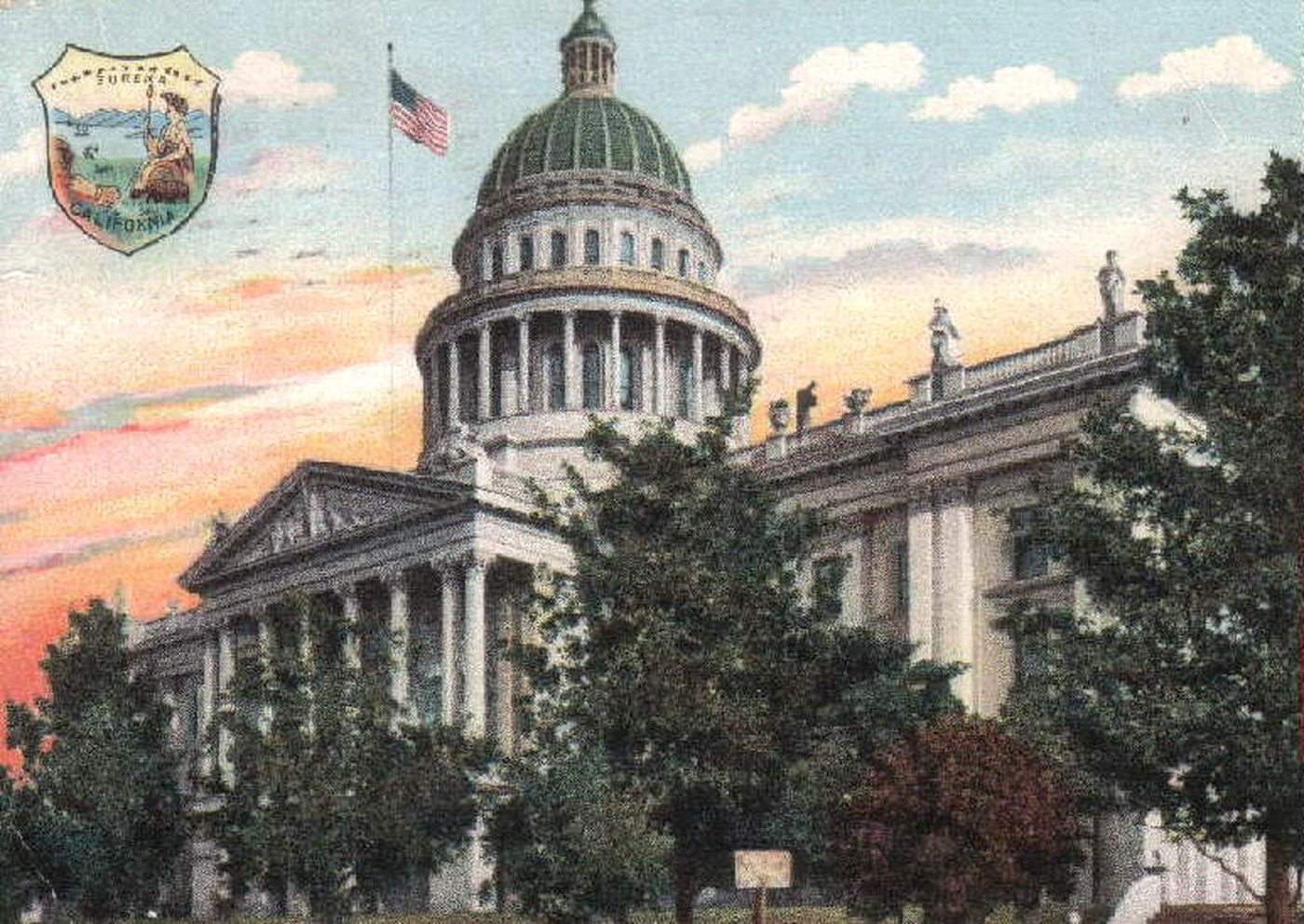
    California voters are deciding whether to introduce a one-time tax of five percent on billionaires, a proposal that could make the state the first in America to tax personal wealth on this scale. The measure, known as Proposition 40, is on the ballot on Tuesday, and its result is being watched far beyond California.

    Under the proposal, the tax would apply to residents worth more than $1 billion. Most of the money raised would go towards healthcare funding that has been affected by federal cuts, linking the tax directly to services that many voters rely on. Supporters argue that the connection makes the case clear: a small charge on the very wealthiest would help protect care for everyone else.

    Senator Bernie Sanders is among the prominent supporters of the measure. He has argued that billionaires should contribute more to public services, and his backing has helped give the campaign a national profile. For supporters, the vote is about fairness as much as finance: in a state home to extraordinary wealth alongside serious poverty, they say the tax system should reflect that gap.

    Opponents of wealth taxes, in general, tend to raise different concerns, including the risk that wealthy residents could move elsewhere and that valuing complex assets such as private companies and investments is difficult. The report on this vote does not set out those arguments in detail, and it gives no revenue total, no estimate of how many residents would be affected, and no implementation date. Those gaps mean voters are being asked to decide on the principle and the headline rate, with much of the detail to follow if the measure passes.

    The vote is also significant because no American state has yet taxed personal wealth in this way. If California approves Proposition 40, other states facing similar budget pressures may look closely at the model, and at whether it survives legal and practical challenges. If voters reject it, the result will be read as a limit on how far even a liberal state is willing to go in taxing extreme wealth.

    Healthcare is at the centre of the campaign because federal cuts have put pressure on state budgets across the country. Hospitals, clinics and community services in California, as elsewhere, have warned about funding shortfalls, and supporters of the measure present the billionaire tax as a way of filling at least part of that gap without raising taxes on ordinary households.

    As with other ballot measures on Tuesday, the result may not be known immediately. Counting in California can take time, particularly in close contests, and the final margin could matter for how the result is interpreted. A narrow win or loss would send a different signal from a decisive one.

    For now, the key facts are straightforward: a one-time five percent tax, a $1 billion threshold, healthcare as the main destination for the revenue, and a vote that is still pending. The outcome will show whether California voters believe that taxing billionaires is a fair and workable answer to the state’s funding pressures, or whether they remain unconvinced.
  • 181 aboard as bomb threat diverts London flight

    181 aboard as bomb threat diverts London flight

    A passenger plane from London made an unscheduled landing at Warsaw-Modlin airport on Tuesday after a bomb threat alert on board, forcing the airport to close while security services checked the aircraft. A second bomb threat was reported on another flight heading into the Polish capital the same morning.

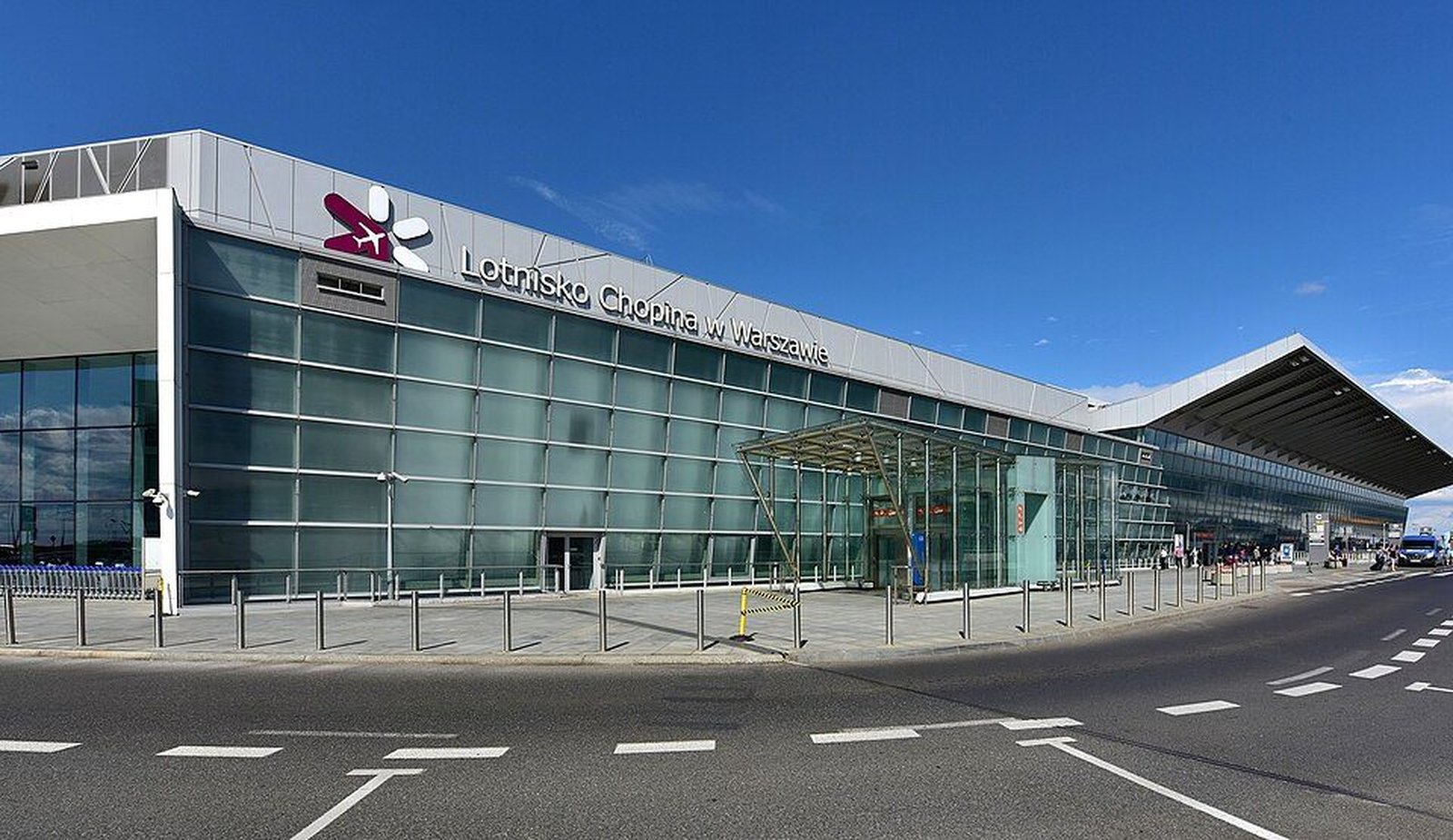
    According to a statement from Warsaw-Modlin airport carried by Reuters, the alert was announced at 9:54am local time on board an aircraft travelling from London Heathrow to Warsaw Chopin airport. The Boeing 737 MAX landed at Modlin at 10:01am, just seven minutes later, and was directed to a designated isolated stand.

    There were 181 people on board the LOT Polish Airlines flight, and they were evacuated after landing. The airport said the aircraft was still carrying around 3.7 tonnes of fuel when it touched down, and bomb disposal experts were called in to inspect the plane and passengers’ luggage. A LOT spokesperson confirmed it was a LOT flight.

    Modlin airport, about 36 kilometres from the Polish capital and mostly used by budget airlines, was closed until further notice while the checks continued. Airport spokesman Adam Szablowski told reporters that staff were waiting for bomb disposal experts to arrive before the aircraft could be cleared.

    At Warsaw Chopin airport, within the city limits, a Scandinavian Airlines flight from Copenhagen was also being checked after a bomb threat report. The SAS flight, carrying around 60 passengers, landed at Chopin and was searched, while the airport continued operations. Authorities had not said whether either threat was genuine, or whether the two threats were linked.

    The incidents marked the third bomb threat on an aircraft heading to eastern Europe in less than 24 hours, according to reports, adding to a tense few days for European aviation security. Passengers on both Warsaw-bound flights were evacuated safely, and no explosives had been reported found at the time of reporting.

    Bomb threats against aircraft are treated as serious security events even when they turn out to be hoaxes, because airlines and airports cannot take the risk of ignoring them. The standard response is to divert or hold the aircraft, move passengers away, and let specialist teams search the plane and baggage before anyone is allowed to continue their journey.

    For the travellers involved, the disruption meant missed connections and long waits at two different Warsaw airports. For the authorities, the morning’s events were a reminder of how quickly a single alert can shut down an airport and ripple through the day’s flight schedules across Europe.

  • £5.1bn prize as UK-EU draft food deal agreed

    £5.1bn prize as UK-EU draft food deal agreed

    Britain and the European Union have agreed a draft deal that would remove most post-Brexit border checks on food and farm goods, in what is being described as the most significant part of the wider reset in relations between London and Brussels. The UK government estimates the deal will eventually be worth £5.1 billion a year to the economy.

    According to the BBC, which first reported the agreement, a draft text of around 200 pages covering sanitary and phytosanitary rules has been circulated to EU member states for consideration at a meeting of EU ambassadors on Wednesday. The rules govern animal health, plant health and food safety in trade.

    For exporters, the practical change would be sweeping. The draft would remove the need for export health certificates costing around £200 each, phytosanitary certificates priced at about £25, and a range of related charges including inspector fees, organic certification costs, some port fees and sampling fees. Checks that have slowed shipments since Britain left the EU’s single market would fall away for trade in both directions.

    Several product lines blocked since the new border regime took effect would be able to resume. Under the draft, UK exports of fresh sausages and burgers, shellfish from domestic waters and seed potatoes to the EU could restart. The agreement would also bring back pet passports for animals travelling from Britain into the EU, ending a system that has required fresh veterinary documents for each trip.

    In return, Britain would commit to following and adapting to existing EU rules on plant, animal and food trade standards, a system known as dynamic alignment. The King’s Speech in May 2026 announced a European Partnership Bill to give ministers the powers to do so, and a Commons committee report expects the food and carbon deals to be running by mid-2027.

    The food deal has particular significance for Northern Ireland, whose post-Brexit arrangement kept it inside the EU’s single market for goods. Food products from elsewhere in the UK currently need paperwork and some physical checks when they arrive at Northern Irish ports, and the new agreement would radically reduce that burden.

    The draft sits alongside separate texts on linking emissions trading systems and on a youth travel and work scheme, plus a draft joint statement for leaders. The next checkpoint is Wednesday’s meeting of EU ambassadors, and the wider reset will be tested at leader level at a UK-EU summit later this month.

    Business groups have broadly welcomed the direction of travel, arguing that the paperwork costs of the current system fall hardest on small exporters. The deal is not yet final, and the details published so far are subject to negotiation, but if it clears the ambassador stage and the summit, it would mark the biggest easing of post-Brexit food trade barriers since Britain left the single market.

  • Storm Agneta sweeps 60 cars away on Rhodes

    Storm Agneta sweeps 60 cars away on Rhodes

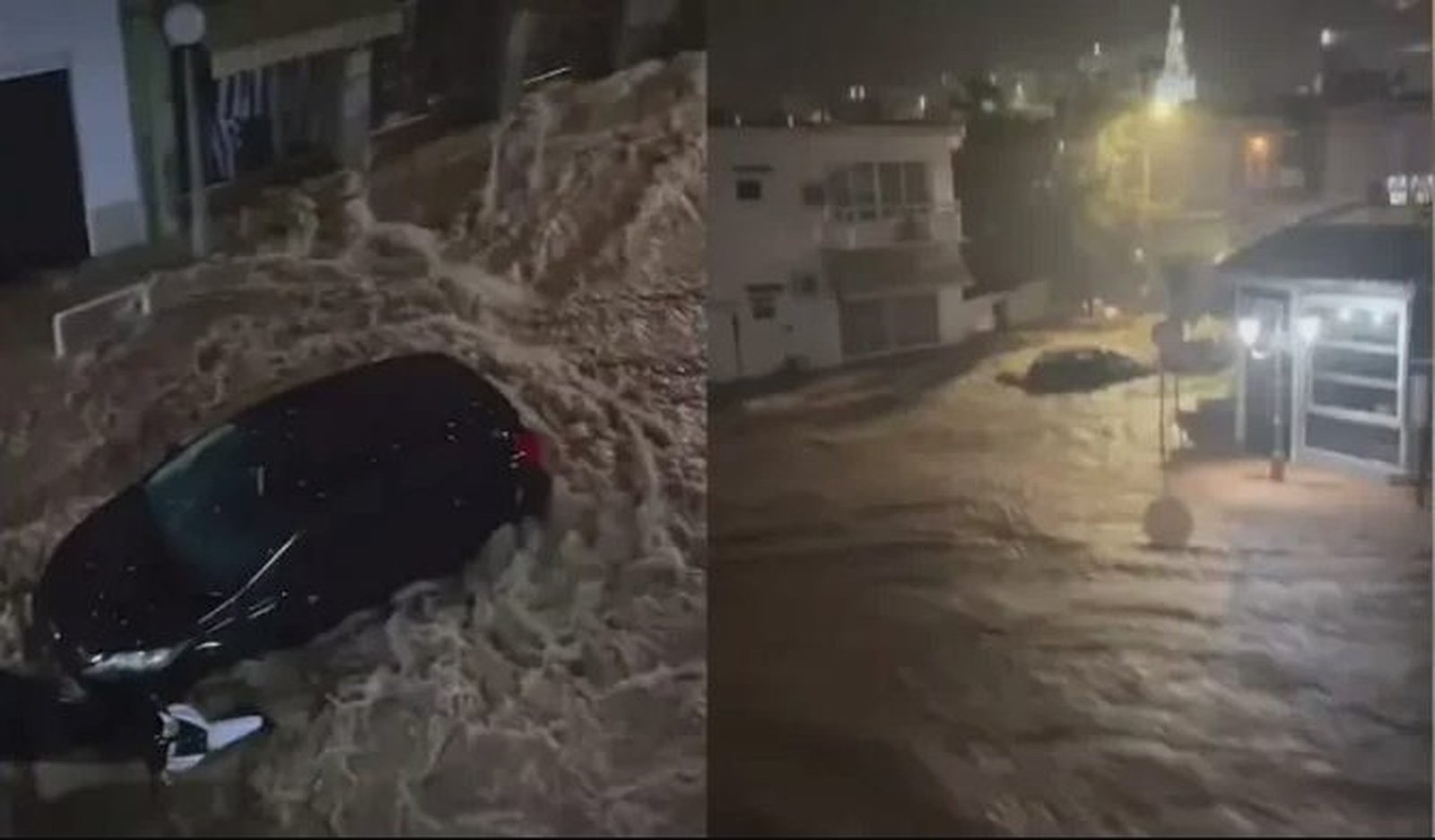
    Severe flooding on the Greek island of Rhodes has swept away at least 60 vehicles, inundated homes and businesses, and forced schools to close in four municipal districts, after Storm Agneta brought torrential rain to the southeastern Aegean island. Authorities sent an emergency alert to residents and visitors at about 3:30am, urging them to limit their movements.

    The worst damage was reported in Archangelos, a village on the island’s eastern coast, where an overflowing river turned streets into torrents, sweeping away cars and flooding properties. Roads were also flooded in Afantou, another town on the eastern coast, and in villages in southern Rhodes, according to local reports carried by Ekathimerini.

    The storm hit in the early hours of Monday after around 17 hours of continuous rainfall in the worst-affected areas, local media reported. Conditions in Archangelos were compared to flooding in January 2011, when the area was also badly hit. Although rainfall had eased by Monday morning, further showers and thunderstorms remained possible.

    Greece’s 112 emergency number sent the alert as water levels rose, warning people on Rhodes to stay off the roads and follow civil protection guidance. Firefighters responded to dozens of calls across Rhodes, Kalymnos, Samos and the Volos area, pumping water from flooded properties, cutting down fallen trees and moving two people to safety on Rhodes.

    The storm also caused damage on Kalymnos, another island in the Dodecanese, where a large boulder broke loose from a hillside and crashed into a garage containing a parked car. Flights at Rhodes airport were so far unaffected, according to travel reports.

    The flooding came just weeks after a 62-year-old worker died near Stegna on October 14 after being swept away by floodwaters, a reminder of how dangerous sudden Mediterranean downpours can be. The Hellenic National Meteorological Service had issued an orange-level severe weather bulletin for Rhodes and parts of the eastern Aegean, warning of heavy rain, thunderstorms and possible hail.

    With more bad weather forecast, the municipality of Rhodes advised residents to limit travel to what was strictly necessary, and the mayor confirmed schools would stay shut. The national weather service warned that violent thunderstorms and heavy rain could continue into Tuesday across western and northern Greece and the eastern Aegean islands.

    For an island that depends heavily on tourism, the storm is an unwelcome start to November. The immediate task is clearing vehicles swept away by floodwaters, unblocking drains and restoring streams, before the next band of rain arrives.

  • 2 police martyred, 4 polio workers abducted in KP

    2 police martyred, 4 polio workers abducted in KP

    Two police officers guarding a polio vaccination team have been martyred in Mohmand district, while four polio workers were abducted in Tank district, in a grim 48 hours for Pakistan’s campaign to wipe out polio. The attacks have renewed concern about the safety of the health workers who carry the country’s eradication effort door to door.

    According to reports carried by Dawn and the Associated Press, the Mohmand attack took place near the Hashim Kor checkpost in Pindiali tehsil, as officers travelled to join a polio team for security duty. Unidentified gunmen opened fire on the police team, martyring two constables and injuring a third officer. The district police officer confirmed the attack happened during the vaccination drive.

    The two martyred officers were identified in local reports as Constables Zahoor and Arabi Khan, while Constable Sabirullah was injured. They were part of the security cover routinely given to vaccination teams in Khyber Pakhtunkhwa, where polio workers have faced repeated attacks.

    In a separate incident a day earlier, four polio workers were abducted in Tank district. According to police accounts, armed men opened fire before seizing the team from Jius village in the Sheikh Attar union council and taking the workers to an undisclosed location. The workers were named in one report as Qadeer, Usman, Sameer and Umair.

    Khyber Pakhtunkhwa Governor Faisal Karim Kundi condemned the Tank abduction and called for immediate and effective measures to secure the workers’ safe recovery. Police have launched efforts to trace the abducted workers, but their whereabouts were still unknown at the time of reporting, and no group had claimed responsibility for either incident.

    Two more polio workers were abducted in the Azam Warsak area of Lower South Waziristan but were later released, according to reports. Local sources linked that incident to the proscribed Tehreek-e-Taliban Pakistan, although that claim had not been independently confirmed.

    The violence comes during a nationwide campaign running from November 2 to 8 across 97 districts, aiming to reach nearly 24 million children under five. Pakistan and Afghanistan remain the only two countries where wild poliovirus is still endemic, according to the World Health Organization, which makes every round of vaccination critical.

    Pakistan has reported eight polio cases so far in 2026, six of them in Khyber Pakhtunkhwa, according to the National Emergency Operations Centre. The latest case, a 13-month-old girl from Bara tehsil in Khyber district, was confirmed on Sunday.

    Health officials have long warned that attacks on vaccination teams do more than endanger individuals: they disrupt campaigns, leave children unvaccinated, and give the virus room to spread. The latest incidents will test whether security arrangements for the current round are enough to protect teams working in the province’s most vulnerable districts.

  • ثبوت لاؤ ورنہ عدالت جاؤ: مریم نواز کا چوہدری سالک کو نوٹس

    ثبوت لاؤ ورنہ عدالت جاؤ: مریم نواز کا چوہدری سالک کو نوٹس

    وزیراعلیٰ پنجاب مریم نواز نے وفاقی وزیر چوہدری سالک کو ہرجانے کا نوٹس بھیجنے کا اعلان کر دیا ہے۔ اٹک میں ایک تقریب سے خطاب کرتے ہوئے انہوں نے کہا کہ اگر چوہدری سالک کے پاس ثبوت ہیں تو وہ پیش کریں، ورنہ انہیں عدالت کا سامنا کرنا ہوگا۔

    مریم نواز نے کہا کہ وفاقی وزیر الزامات نہ لگائیں بلکہ ثبوت سامنے لائیں۔ ان کا کہنا تھا کہ وہ جھوٹے الزامات کو ہرگز برداشت نہیں کریں گی اور اگر کرپشن کا ایک روپے کا بھی ثبوت ثابت ہو جائے تو وہ اللہ اور عوام کے سامنے جوابدہ ہیں۔

    چوہدری سالک نے حالیہ دنوں میں پنجاب حکومت پر کرپشن اور ترقیاتی فنڈز کی تقسیم سے متعلق سوالات اٹھائے تھے۔ ان کا کہنا تھا کہ صوبے میں کرپشن کی شکایات روزانہ سننے کو ملتی ہیں۔ پنجاب حکومت نے ان الزامات کو مسترد کرتے ہوئے کہا ہے کہ افسران کی تقرریاں میرٹ پر کی جاتی ہیں، سفارش پر نہیں۔

    مریم نواز نے اپنے خطاب میں گجرات کے دورے کا بھی ذکر کیا، جہاں بارش کے دوران ان کی گاڑی پانی میں ڈوب گئی تھی۔ انہوں نے کہا کہ اگر حکومت اتنی ہی خراب تھی تو پھر وفاقی وزیر حکومت میں کیوں بیٹھے ہوئے ہیں۔ ان کے مطابق پنجاب میں ترقیاتی منصوبوں کا جال بچھا ہوا ہے اور غریبوں کے لیے لاکھوں مکانات بنائے جا رہے ہیں۔

    یہ اعلان اسی دن سامنے آیا جب وزیراعلیٰ نے اٹک میں 127 ترقیاتی منصوبوں کا افتتاح کیا، جن میں 59 سڑکوں کے منصوبے بھی شامل ہیں۔ اس موقع پر انہوں نے طلبہ سے بھی خطاب کیا اور کہا کہ پنجاب حکومت عوام کی فلاح کے لیے کام کر رہی ہے۔

    سیاسی مبصرین کے مطابق یہ معاملہ حکمران اتحاد کے اندر اختلافات کی طرف اشارہ کرتا ہے، کیونکہ چوہدری سالک کی جماعت مسلم لیگ ق وفاقی حکومت کی اتحادی ہے۔ اس لیے وزیراعلیٰ کا سخت ردعمل سیاسی طور پر اہم سمجھا جا رہا ہے۔

    اب سب کی نظریں اس بات پر ہیں کہ آیا چوہدری سالک اپنے الزامات کے ثبوت پیش کرتے ہیں یا یہ معاملہ عدالت تک جاتا ہے۔ مریم نواز نے واضح کر دیا ہے کہ وہ اس معاملے میں پیچھے نہیں ہٹیں گی اور قانونی راستہ اختیار کریں گی۔

    یہ خبر سیاسی بیان بازی سے آگے بڑھ کر ایک قانونی تنازع کی شکل اختیار کر سکتی ہے، جس کا اثر پنجاب اور وفاق کے تعلقات پر بھی پڑ سکتا ہے۔ عوام کے لیے اہم سوال یہ ہے کہ ترقیاتی فنڈز اور تقرریوں سے متعلق حقائق کیا ہیں، اور ان کا فیصلہ ثبوتوں کی بنیاد پر ہونا چاہیے، نہ کہ صرف بیانات پر۔

  • Gilani: state-harming acts can’t serve public interest

    Gilani: state-harming acts can’t serve public interest

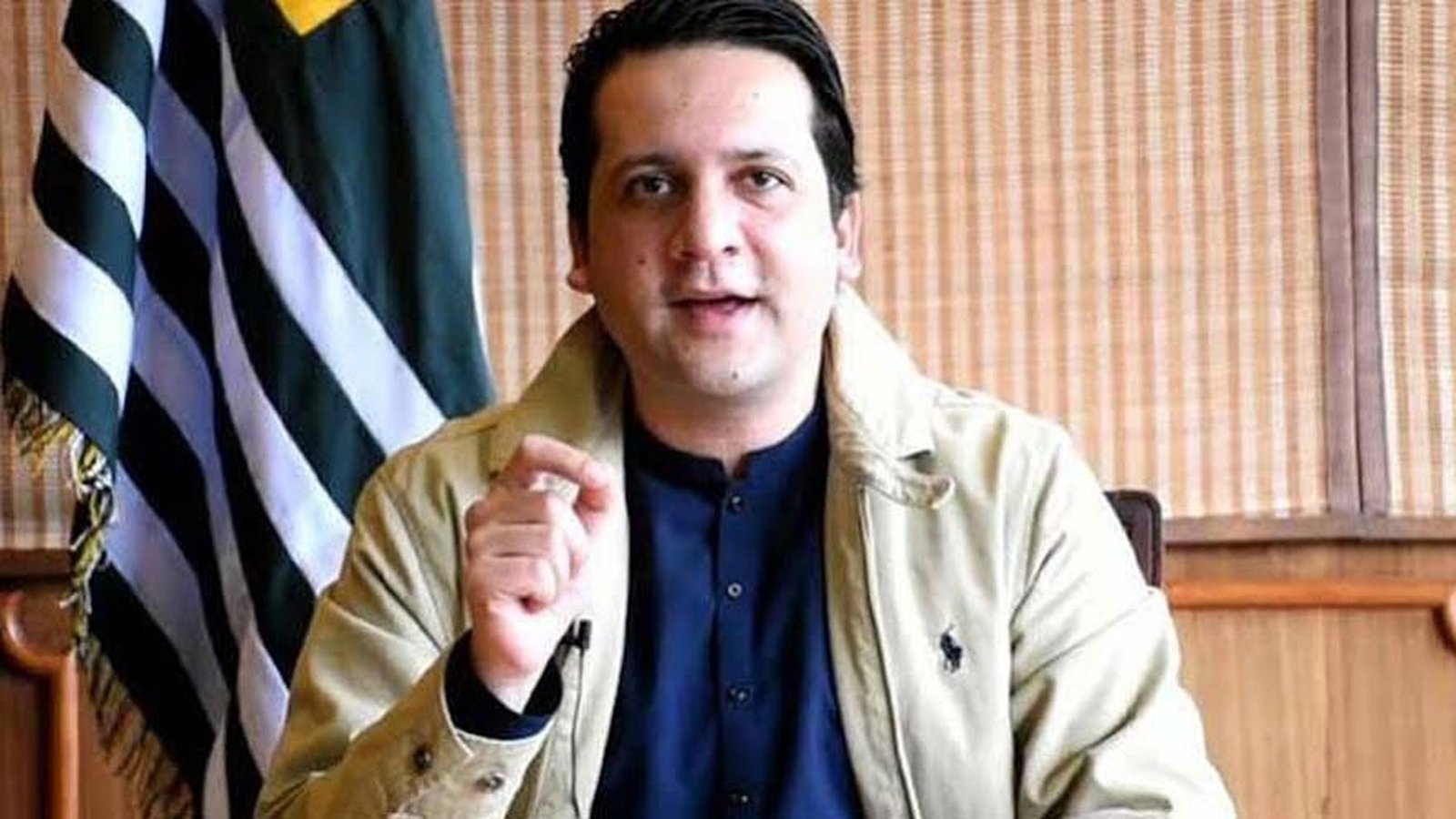
    Azad Jammu and Kashmir Prime Minister Iftikhar Gilani has said that actions which harm the state cannot serve the public interest, urging that local problems be settled locally rather than allowed to deepen. He was speaking at a press conference in Muzaffarabad, where he set out his government’s priorities and announced new development funds for three divisions.

    According to Dunya News, the prime minister said movement restrictions in Rawalakot were severely disrupting everyday life, with education suffering and patients facing difficulty reaching hospitals. He described Azad Kashmir as the base camp of the Kashmir freedom movement, a description that underlines how closely the region’s politics are tied to the wider Kashmir question.

    Gilani said a committee had been formed to deal with the issues, including Sardar Ziaul Qamar and Pir Mazhar Saeed Shah. He said he wanted matters resolved within Azad Kashmir itself, a message aimed at keeping disputes out of prolonged confrontation and inside the region’s own institutions.

    On the government’s record, the prime minister pointed to a 10 percent increase in the salaries and pensions of government employees. Pay rises matter most to the thousands of households that depend on public-sector incomes, and the announcement was presented as part of a wider effort to ease the cost of living for state employees and retirees.

    The funding announcements covered three divisions. Rawalakot and Muzaffarabad divisions will each receive Rs6 billion, while Mirpur division will receive Rs3 billion, according to the report. Development money of this kind usually goes to roads, public buildings and basic services, and the division-wise breakdown shows an attempt to spread spending across the region rather than concentrate it in one place.

    Gilani also claimed that 10,000 young people had gone abroad for employment over the past 18 months. The figure, if accurate, points to a familiar pressure across Azad Kashmir: limited local jobs pushing young workers to seek work overseas, with families depending on the money they send home.

    The press conference comes at a sensitive time for the region, where recent unrest has put the relationship between the government and protest movements under strain. Gilani’s emphasis on dialogue and local settlement fits a broader pattern in his recent statements, in which he has rejected rumours about changes to the state’s constitutional status and called for public debate to stay within constitutional channels.

    For residents, the test of the announcements will be delivery. Salary increases and division funds are welcome headlines, but their value will be judged by whether hospitals become easier to reach, classrooms stay open, and development projects actually appear on the ground in Rawalakot, Muzaffarabad and Mirpur in the months ahead.

  • 127 projects, 59 roads: Maryam Nawaz’s big Attock day

    127 projects, 59 roads: Maryam Nawaz’s big Attock day

    Punjab Chief Minister Maryam Nawaz Sharif visited Attock on Tuesday and inaugurated 127 development projects across the district, according to Dunya News. The package includes 59 road schemes worth Rs23 billion, making roads the single largest part of the programme announced during the visit.

    Large crowds gathered along various roads and intersections to welcome her, showering flower petals on her convoy as it moved through the city. Hatian Road, Kamra Road and University Road had been decorated with rose petals ahead of her arrival, and she was welcomed by residents, party workers and children who had turned out for the occasion.

    During the visit, the chief minister removed security barriers so she could interact directly with the public, and she invited children to join her in inaugurating development projects across the district. The gesture turned the formal inauguration programme into a public event, with the chief minister moving among the crowds rather than keeping her distance.

    Addressing the gathering, Maryam Nawaz said people should not fear difficulties or lose courage, and that challenges had to be faced with determination and perseverance. She said she is the chief minister of all of Punjab and that development work was being carried out in every district, not only in selected areas.

    She also responded to corruption allegations made against her, describing them as false and saying she would respond to them, according to the report. No specific allegation, amount or legal outcome was detailed in the report of her remarks, which focused instead on her rejection of the claims and her defence of her record.

    The chief minister also referred to her father, former prime minister Nawaz Sharif, in the context of her political background. Her remarks framed her own career as part of a longer family tradition in Punjab politics, a theme she has returned to at public events before.

    The Attock package matters because road schemes of this scale affect daily life well beyond a single ceremony. Roads determine how quickly farmers reach markets, how easily patients reach hospitals and how reliably children reach schools, so a programme of 59 schemes can reshape movement across a whole district if it is completed on time.

    For Attock itself, the visit also carried symbolic weight. A chief minister’s tour brings provincial attention to a district that often sits in the shadow of larger cities, and the public welcome suggested that residents saw the visit as recognition as much as an administrative event.

    What happens next will depend on delivery. Inaugurations announce intent, but residents will judge the programme by whether the roads are built to a good standard, whether the remaining projects move at the same pace, and whether the promised development reaches the smaller towns and villages of the district as well as its main city.

    For now, the visit has given Attock a day in the provincial spotlight, a set of projects to watch, and a clear test for the Punjab government: to turn a well-received tour into finished work on the ground.

  • لاہور کی ہوا زہریلی: ائیر کوالٹی انڈیکس 400 سے اوپر

    لاہور کی ہوا زہریلی: ائیر کوالٹی انڈیکس 400 سے اوپر

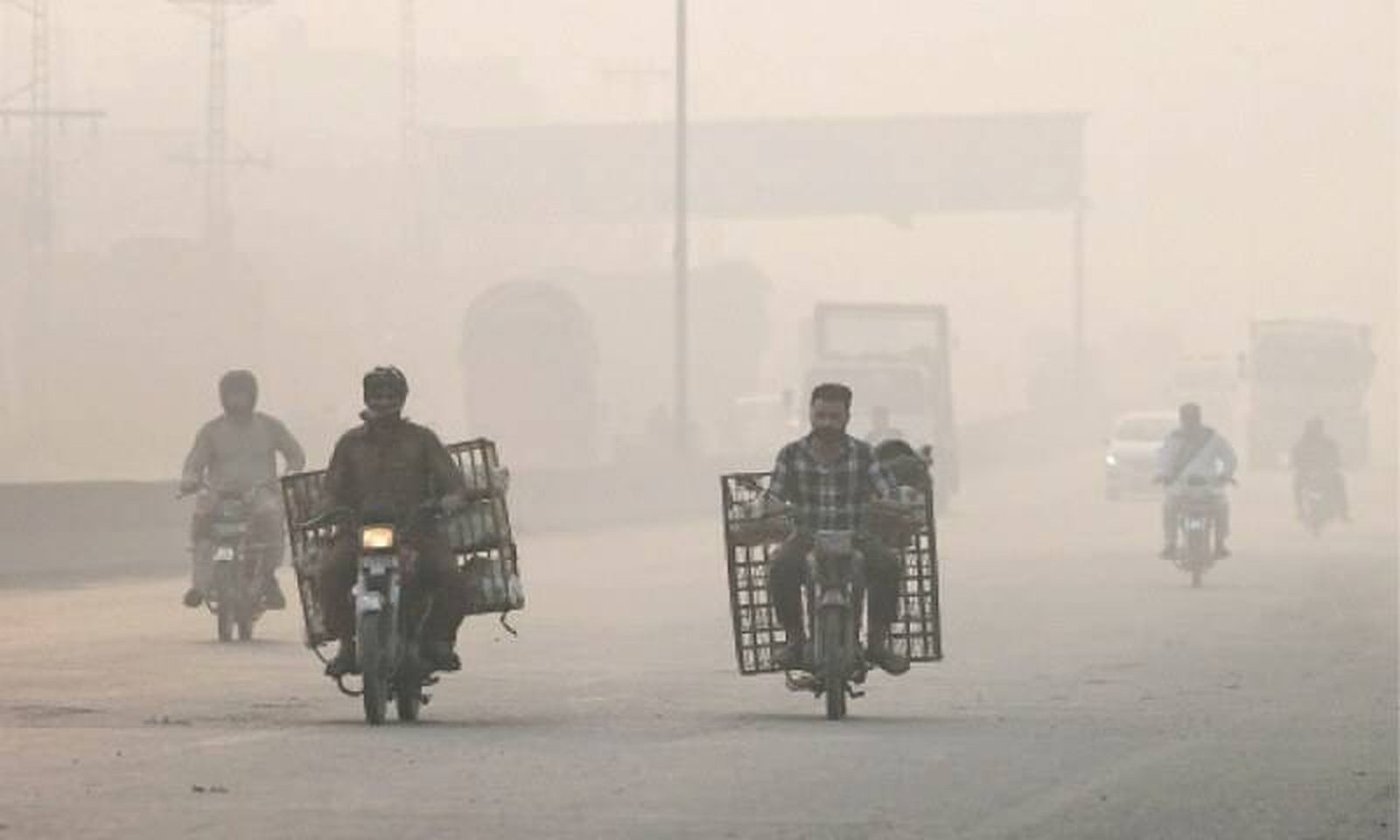
    لاہور کی مجموعی فضائی آلودگی خطرناک حد سے تجاوز کر گئی ہے اور شہر کا ائیر کوالٹی انڈیکس 400 سے اوپر ریکارڈ کیا گیا ہے۔ دنیا نیوز کے مطابق ایک بین الاقوامی ماحولیاتی نگرانی کی ویب سائٹ کے اعداد و شمار میں لاہور کے کئی علاقوں میں آلودگی کی سطح انتہائی بلند دیکھی گئی۔

    اعداد و شمار کے مطابق لاہور کے علاقے پیراگون میں ائیر کوالٹی انڈیکس 728 ریکارڈ کیا گیا، جب کہ علامہ اقبال ٹاؤن میں 615 اور ماڈل ٹاؤن میں 435 ریکارڈ ہوا۔ یہ اعداد اس بات کی نشاندہی کرتے ہیں کہ شہر کے مختلف حصوں میں ہوا کا معیار ایک جیسا نہیں، لیکن مجموعی صورتحال صحت کے لیے خطرناک ہے۔

    اسی نگرانی کے مطابق اس روز پاکستان کا سب سے آلودہ شہر ملتان رہا، جہاں ائیر کوالٹی انڈیکس 566 ریکارڈ کیا گیا۔ فیصل آباد میں 455 اور رحیم یار خان میں 483 ریکارڈ ہوا، جس سے ظاہر ہوتا ہے کہ سموگ کا مسئلہ صرف لاہور تک محدود نہیں بلکہ پنجاب کے کئی شہروں میں پھیلا ہوا ہے۔

    لاہور اس روز بھی دنیا کے آلودہ ترین بڑے شہروں میں شامل رہا۔ سردیوں کے آغاز کے ساتھ پنجاب میں سموگ کا مسئلہ ہر سال شدت اختیار کرتا ہے، اور اس بار بھی صورتحال اسی رخ پر جاتی دکھائی دے رہی ہے۔ دھند اور آلودگی کے امتزاج سے حد نگاہ کم ہو جاتی ہے، جس سے ٹریفک اور روزمرہ زندگی متاثر ہوتی ہے۔

    ماحولیاتی ماہرین کے مطابق اس قسم کی آلودہ ہوا صحت کے لیے سنگین خطرات پیدا کر سکتی ہے۔ سانس کی بیماریوں میں مبتلا افراد، بچے اور بزرگ خاص طور پر متاثر ہوتے ہیں۔ ماہرین نے احتیاطی تدابیر اختیار کرنے کا مشورہ دیا ہے، تاکہ شہری خود کو آلودہ ہوا کے مضر اثرات سے بچا سکیں۔

    سموگ کی وجوہات میں گاڑیوں کا دھواں، فصلوں کی باقیات جلانا، صنعتی اخراج اور تعمیراتی گرد شامل سمجھی جاتی ہیں۔ سرد موسم میں ہوا کی حرکت کم ہو جاتی ہے، جس کی وجہ سے آلودہ ذرات فضا میں زیادہ دیر تک رہتے ہیں اور زمین کے قریب جمع ہو جاتے ہیں۔ یہی وجہ ہے کہ صبح اور شام کے اوقات میں صورتحال زیادہ خراب محسوس ہوتی ہے۔

    حکومت پنجاب ماضی میں سموگ سے نمٹنے کے لیے مختلف اقدامات کرتی رہی ہے، جن میں فصلوں کی باقیات جلانے پر پابندی، گاڑیوں کی جانچ اور اسکولوں کے اوقات میں تبدیلی شامل رہی ہے۔ تاہم اعداد و شمار بتاتے ہیں کہ مسئلہ اب بھی برقرار ہے اور اس کے لیے مستقل اور مربوط حکمت عملی کی ضرورت ہے۔

    شہریوں کے لیے اس صورتحال میں احتیاط ہی سب سے بڑا تحفظ ہے۔ غیر ضروری طور پر باہر نکلنے سے گریز، ماسک کا استعمال اور گھروں میں ہوا کو صاف رکھنے جیسے اقدامات آلودگی کے اثرات کو کم کرنے میں مددگار ہو سکتے ہیں۔ آنے والے دنوں میں موسم اور ہوا کی سمت یہ طے کرے گی کہ سموگ میں کمی آتی ہے یا شدت برقرار رہتی ہے۔

  • Govt, JI resume talks on cutting petroleum levy

    Govt, JI resume talks on cutting petroleum levy

    The government and Jamaat-e-Islami resumed negotiations in Islamabad on Tuesday over the petroleum levy, with the party pressing for substantial relief for the public and a gradual withdrawal of the levy. The talks were held at the office of Deputy Prime Minister and Foreign Minister Ishaq Dar, at the Ministry of Foreign Affairs.

    The Jamaat-e-Islami team consisted of Liaquat Baloch, Syed Farasat Shah and Engineer Nasrullah Randhawa. The government side was represented by Ishaq Dar, Ahsan Iqbal and Rana Sanaullah. Together, the two sides form a six-member joint committee working on the issue.

    The petroleum levy is a tax charged on fuel, and it feeds directly into the prices people pay at the pump. Because fuel prices affect transport costs, food prices and the cost of running businesses, any change in the levy is felt far beyond petrol stations. That is why the levy has become a central point of contention between the government, which relies on the revenue, and opposition parties, which argue that it places an unfair burden on ordinary households.

    According to 24 News HD, the talks covered a phased reduction of the levy and extending fuel relief to low- and middle-income households. The idea of a phased approach is significant: rather than removing the levy all at once, which would leave a sudden gap in government revenue, the two sides are discussing a step-by-step reduction that would give households relief while allowing the government to adjust its finances.

    Jamaat-e-Islami has linked the talks to a wider set of demands on energy tariffs and fuel taxes. Liaquat Baloch warned, according to 24 News HD, that the party would proceed with a planned long march from Multan to Islamabad in mid-November if its demands are not accepted. The warning gives the negotiations a clear deadline and raises the political stakes for both sides.

    The government, for its part, faces a difficult balance. Fuel taxes and levies are an important source of revenue at a time when public finances remain under pressure. At the same time, high fuel prices are deeply unpopular, and the government will be aware that continued pressure on household budgets can quickly turn into wider political discontent.

    The resumption of talks suggests that both sides see value in keeping the negotiation channel open. For Jamaat-e-Islami, the talks offer a chance to secure tangible relief for its supporters and for the wider public. For the government, they offer a way to manage a sensitive issue without an immediate confrontation on the streets.

    What happens next will depend on whether the two sides can agree on the pace and scale of any reduction. A phased cut that brings real relief to low- and middle-income households could defuse the immediate tension. If the talks stall, the party’s planned long march in mid-November could become the next flashpoint in the dispute over fuel prices.