Blog

  • Over 1.94 Million E-Challans Issued in Karachi in First Year

    Over 1.94 Million E-Challans Issued in Karachi in First Year

    Karachi’s digital traffic challan system has completed its first year of operation, with more than 1.947 million e-challans issued for various traffic violations, 24NewsHD reported on Monday, citing traffic police officials.

    Officials said fines exceeding Rs5 billion were imposed during the year, while motorists deposited more than Rs2 billion into the national exchequer. However, e-challans worth approximately Rs3 billion were waived, the channel reported.

    According to traffic police authorities, more than 330,000 challans issued through the Traffic Regulation and Citation System (TRACS) were waived during the period.

    The highest number of violations involved motorcyclists riding without helmets. Modern surveillance cameras issued more than 814,000 challans for this offence, making it the most frequently recorded traffic violation, officials said.

    Failure to wear seat belts ranked second, with over 715,000 challans issued during the year. The cameras also detected 65,255 cases of overspeeding and issued 36,474 challans to motorists using mobile phones while driving. A further 34,652 challans were issued for driving on the wrong side of the road.

    Regarding vehicle fitness regulations, 54,443 challans were issued for vehicles without fitness certificates, while another 18,519 were issued for expired fitness certificates, the report said.

    Traffic police officials reported 78,377 challans for illegal parking. Meanwhile, 7,975 violations were recorded for jumping traffic signals, while more than 11,000 challans were issued for using fancy number plates.

    The authorities also issued 3,156 challans for vehicles without installed trackers and took action against 5,401 vehicles for concealing their number plates. A total of 20,505 e-challans were issued for obstructing traffic flow and creating road blockages, while 7,516 violations were recorded for crossing stop lines, misusing designated lanes and violating zebra crossings.

    The surveillance system also detected 5,136 vehicles with tinted or blackened windows, while 2,301 challans were issued for violations of lane discipline, according to the report.

    Traffic police officials said the digital challan system was introduced to improve traffic regulation, promote compliance with road safety rules and strengthen enforcement through modern surveillance technology.

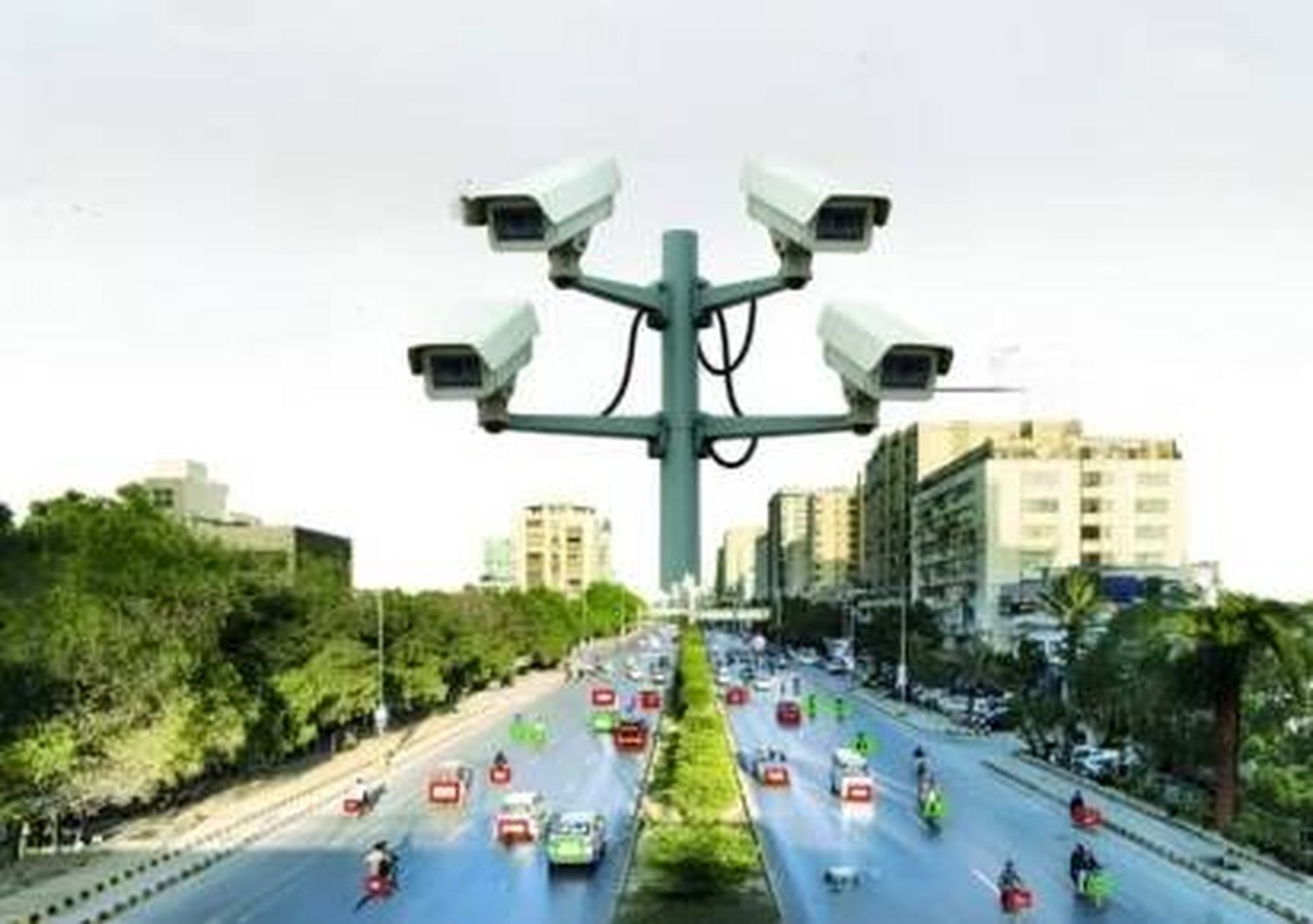
    The figures show that camera-detected offences now dominate enforcement in the city, with helmet and seat-belt violations alone accounting for more than 1.5 million of the challans issued in the first year. Officials said the system records violations automatically through surveillance cameras installed across Karachi, and challans are then sent to vehicle owners.

  • کراچی میں پہلے سال 19 لاکھ سے زائد ای چالان جاری

    کراچی میں پہلے سال 19 لاکھ سے زائد ای چالان جاری

    کراچی میں ڈیجیٹل ٹریفک چالان نظام نے اپنے آپریشن کا پہلا سال مکمل کر لیا ہے، جس دوران ٹریفک کی مختلف خلاف ورزیوں پر 19 لاکھ 47 ہزار سے زائد ای چالان جاری کیے گئے، 24 نیوز نے پیر کے روز ٹریفک پولیس حکام کے حوالے سے بتایا۔

    حکام کے مطابق اس سال کے دوران 5 ارب روپے سے زائد کے جرمانے عائد کیے گئے، جبکہ موٹر سواروں نے قومی خزانے میں 2 ارب روپے سے زائد جمع کرائے۔ تاہم تقریباً 3 ارب روپے مالیت کے ای چالان معاف کر دیے گئے۔

    ٹریفک پولیس حکام کے مطابق ٹریفک ریگولیشن اینڈ سائٹیشن سسٹم (ٹریکس) کے ذریعے جاری کیے گئے 3 لاکھ 30 ہزار سے زائد چالان اس مدت کے دوران معاف کیے گئے۔

    سب سے زیادہ خلاف ورزیاں بغیر ہیلمٹ موٹر سائیکل چلانے والوں کی تھیں۔ جدید نگرانی کیمروں نے اس جرم پر 8 لاکھ 14 ہزار سے زائد چالان جاری کیے، جو سب سے زیادہ ریکارڈ کی جانے والی ٹریفک خلاف ورزی بنی۔

    سیٹ بیلٹ نہ پہننا دوسرے نمبر پر رہا، جس پر سال بھر میں 7 لاکھ 15 ہزار سے زائد چالان جاری کیے گئے۔ کیمروں نے تیز رفتاری کے 65 ہزار 255 کیسز بھی پکڑے اور ڈرائیونگ کے دوران موبائل فون استعمال کرنے پر 36 ہزار 474 موٹر سواروں کو چالان کیے گئے۔ غلط سمت میں گاڑی چلانے پر مزید 34 ہزار 652 چالان جاری کیے گئے۔

    گاڑیوں کی فٹنس کے ضوابط کے حوالے سے فٹنس سرٹیفکیٹ کے بغیر گاڑیوں پر 54 ہزار 443 چالان جاری کیے گئے، جبکہ میعاد ختم شدہ فٹنس سرٹیفکیٹ پر مزید 18 ہزار 519 چالان جاری ہوئے۔

    ٹریفک پولیس حکام نے غیر قانونی پارکنگ پر 78 ہزار 377 چالان کی اطلاع دی۔ اس دوران ٹریفک سگنل کی خلاف ورزی پر 7 ہزار 975 چالان ریکارڈ کیے گئے، جبکہ فینسی نمبر پلیٹس استعمال کرنے پر 11 ہزار سے زائد چالان جاری کیے گئے۔

    حکام نے ٹریکر نصب نہ ہونے والی گاڑیوں پر 3 ہزار 156 چالان جاری کیے اور نمبر پلیٹس چھپانے والی 5 ہزار 401 گاڑیوں کے خلاف کارروائی کی۔ ٹریفک کی روانی میں رکاوٹ اور سڑکوں پر بلاکج پیدا کرنے پر مجموعی طور پر 20 ہزار 505 ای چالان جاری کیے گئے، جبکہ اسٹاپ لائن عبور کرنے، مخصوص لین کے غلط استعمال اور زیبرا کراسنگ کی خلاف ورزی پر 7 ہزار 516 خلاف ورزیاں ریکارڈ کی گئیں۔

    نگرانی کے نظام نے رنگین یا سیاہ شیشوں والی 5 ہزار 136 گاڑیاں بھی پکڑیں، جبکہ لین ڈسپلن کی خلاف ورزی پر 2 ہزار 301 چالان جاری کیے گئے۔

    ٹریفک پولیس حکام کے مطابق ڈیجیٹل چالان نظام ٹریفک کے ضابطے کو بہتر بنانے، سڑک کی حفاظت کے قواعد کی پابندی کو فروغ دینے اور جدید نگرانی ٹیکنالوجی کے ذریعے نفاذ کو مضبوط بنانے کے لیے متعارف کرایا گیا تھا۔

    اعداد و شمار سے ظاہر ہوتا ہے کہ کیمروں سے پکڑی گئی خلاف ورزیاں اب شہر میں نفاذ کا سب سے بڑا حصہ ہیں، صرف ہیلمٹ اور سیٹ بیلٹ کی خلاف ورزیاں ہی پہلے سال میں جاری کیے گئے چالانوں میں 15 لاکھ سے زائد بنتی ہیں۔ حکام کے مطابق یہ نظام کراچی بھر میں نصب نگرانی کیمروں کے ذریعے خلاف ورزیوں کو خودکار طریقے سے ریکارڈ کرتا ہے اور چالان گاڑیوں کے مالکان کو بھیجے جاتے ہیں۔

  • Supreme Court Grants Bail in Placenta Trade Case

    Supreme Court Grants Bail in Placenta Trade Case

    The Supreme Court of Pakistan granted on Monday post-arrest bail to four accused, including three Chinese nationals, in an illegal human placenta trading case, 24NewsHD reported.

    The court ordered the four accused to submit surety bonds of Rs10 million each, along with two local sureties, to confirm their release.

    A two-member bench comprising Justice Shahzad Ahmad Malik and Justice Aqeel Ahmed Abbasi observed that the matter required further inquiry, specifically noting that human placenta is generally considered waste material.

    Pakistan’s Federal Investigation Agency (FIA) and the Human Organ Transplant Authority (HOTA) had in June 2026 raided houses in the F-7 and E-11 sectors of Islamabad and rounded up five suspects, three Chinese nationals and two Pakistani citizens, seizing 400 to 500 kilograms of dried human placenta.

    An investigation report claimed the accused bought placentas from hospital workers in Islamabad, Rawalpindi, Lahore and Peshawar for export to Vietnam to manufacture high-end anti-ageing and cosmetic injections.

    The case had earlier come before a sessions court in Islamabad, where an additional district and sessions judge dismissed post-arrest bail applications of the accused in the illegal human organs case, The News reported. According to the FIA, human organs and a large quantity of placenta were recovered during the raid in Islamabad. A forensic report found the presence of human DNA in the recovered placenta.

    The accused in that earlier proceeding included Muhammad Waqas, Li Gangkai, Wang Bao and Peng Fei Guo, according to The News. The court had observed that the illegal purchase and sale of placentas was a serious matter.

    The Supreme Court’s order does not decide the guilt or innocence of the accused. Post-arrest bail is granted where the court considers that the case requires further inquiry and the accused should not remain in custody while the trial proceeds. The bench’s observation that human placenta is generally considered waste material was made in that context, and the court said the matter needed further inquiry.

    The FIA and HOTA investigation into the alleged trade is continuing. The prosecution alleges that the placentas were collected from hospitals in four cities and prepared for export, while the defence position and the final findings of the investigation have yet to be placed before the trial court in full. Further proceedings will determine whether the allegations are proved.

  • سپریم کورٹ نے پلاسینٹا تجارت کیس میں ضمانت منظور کر لی

    سپریم کورٹ نے پلاسینٹا تجارت کیس میں ضمانت منظور کر لی

    سپریم کورٹ آف پاکستان نے پیر کے روز انسانی پلاسینٹا کی غیر قانونی تجارت کے مقدمے میں چار ملزمان کو ضمانت بعد از گرفتاری دے دی، جن میں تین چینی شہری بھی شامل ہیں، 24 نیوز ایچ ڈی نے رپورٹ کیا۔

    عدالت نے چاروں ملزمان کو رہائی کے لیے 10 ملین روپے کے ضمانتی مچلکے اور دو مقامی ضامن جمع کرانے کا حکم دیا۔

    جسٹس شہزاد احمد ملک اور جسٹس عقیل احمد عباسی پر مشتمل دو رکنی بینچ نے مشاہدہ کیا کہ اس معاملے میں مزید تفتیش کی ضرورت ہے، خاص طور پر یہ نوٹ کرتے ہوئے کہ انسانی پلاسینٹا کو عام طور پر فضلہ سمجھا جاتا ہے۔

    پاکستان کی وفاقی تحقیقاتی ایجنسی (ایف آئی اے) اور ہیومن آرگن ٹرانسپلانٹ اتھارٹی (ہوٹا) نے جون 2026 میں اسلام آباد کے سیکٹر ایف 7 اور ای 11 میں گھروں پر چھاپے مار کر پانچ ملزمان، تین چینی شہریوں اور دو پاکستانی شہریوں کو گرفتار کیا تھا اور 400 سے 500 کلو گرام خشک انسانی پلاسینٹا ضبط کیا تھا۔

    تحقیقاتی رپورٹ میں دعویٰ کیا گیا تھا کہ ملزمان اسلام آباد، راولپنڈی، لاہور اور پشاور کے ہسپتالوں کے ملازمین سے پلاسینٹا خرید کر ویت نام برآمد کرتے تھے تاکہ مہنگی اینٹی ایجنگ اور کاسمیٹک انجیکشنز تیار کیے جا سکیں۔

    یہ مقدمہ اس سے قبل اسلام آباد کی سیشن عدالت میں بھی آیا تھا، جہاں ایڈیشنل ڈسٹرکٹ اینڈ سیشن جج نے انسانی اعضا کے غیر قانونی مقدمے میں ملزمان کی ضمانت بعد از گرفتاری کی درخواستیں مسترد کر دی تھیں، دی نیوز نے رپورٹ کیا۔ ایف آئی اے کے مطابق اسلام آباد میں چھاپے کے دوران انسانی اعضا اور پلاسینٹا کی بڑی مقدار برآمد ہوئی تھی۔ فرانزک رپورٹ میں برآمد شدہ پلاسینٹا میں انسانی ڈی این اے کی موجودگی پائی گئی تھی۔

    دی نیوز کے مطابق اس پہلے کی کارروائی میں ملزمان میں محمد وقاص، لی گینگ کائی، وانگ باؤ اور پینگ فی گو شامل تھے۔ عدالت نے مشاہدہ کیا تھا کہ پلاسینٹا کی غیر قانونی خرید و فروخت ایک سنگین معاملہ ہے۔

    سپریم کورٹ کا حکم ملزمان کے قصور یا بے گناہی کا فیصلہ نہیں کرتا۔ ضمانت بعد از گرفتاری اس صورت میں دی جاتی ہے جب عدالت سمجھے کہ مقدمے میں مزید تفتیش درکار ہے اور ملزم کو مقدمے کی سماعت کے دوران حراست میں نہیں رکھنا چاہیے۔ بینچ کا یہ مشاہدہ کہ انسانی پلاسینٹا کو عام طور پر فضلہ سمجھا جاتا ہے، اسی تناظر میں کیا گیا تھا، اور عدالت نے کہا کہ معاملے میں مزید تفتیش کی ضرورت ہے۔

    مبینہ تجارت کی ایف آئی اے اور ہوٹا کی تحقیقات جاری ہیں۔ استغاثہ کا الزام ہے کہ پلاسینٹا چار شہروں کے ہسپتالوں سے جمع کر کے برآمد کے لیے تیار کیا جاتا تھا، جبکہ دفاع کا موقف اور تحقیقات کے حتمی نتائج ابھی ٹرائل کورٹ کے سامنے مکمل طور پر پیش ہونا باقی ہیں۔ مزید کارروائی سے طے ہوگا کہ الزامات ثابت ہوتے ہیں یا نہیں۔

  • Pakistan Polio Cases Fall Sharply in 2026

    Pakistan Polio Cases Fall Sharply in 2026

    Pakistan has recorded a significant decline in polio cases in 2026 compared to last year, according to official documents, 24NewsHD reported on Monday.

    A total of 30 polio cases were reported across the country from January to November 2025. However, the number dropped to just nine cases during the same period in 2026.

    According to the report, Pakistan successfully completed two nationwide and three smaller-scale polio vaccination campaigns this year.

    The most recent campaign was held from November 2 to 8 in 97 selected districts across the country. During the campaign, more than 24 million children under the age of five received polio drops. More than 200,000 polio workers took part in the campaign and visited homes to vaccinate children.

    Another nationwide polio vaccination campaign is planned for mid-December. The campaign aims to provide polio drops to more than 45 million children across Pakistan.

    The ninth case of 2026 was confirmed on November 5, when a seven-month-old boy from Mastak Union Council in Bara tehsil of Khyber district tested positive, according to the Pakistan Polio Eradication Initiative. It was the third case reported from the district this year and the seventh from Khyber Pakhtunkhwa, while Sindh has reported two cases. Genetic testing found that the poliovirus in all three cases from Khyber district is related to strains circulating in Afghanistan.

    Pakistan recorded 74 polio cases in 2024 and 31 in 2025, according to the eradication initiative. The nine cases reported so far in 2026 therefore represent a sharp fall, although officials have warned that the virus remains in circulation. The World Health Organisation’s weekly update on November 11 also put Pakistan’s 2026 year-to-date total at nine cases.

    Pakistan and Afghanistan are the only two countries in the world where wild poliovirus transmission has never been interrupted. Health officials say detections of the virus in children and in sewage samples, including in the Peshawar block comprising Khyber and Peshawar districts, show that the threat has not been eliminated despite the fall in case numbers.

    Health authorities say they will continue their efforts to protect children from polio and prevent the spread of the virus, with the December campaign set to be the largest of the year. Parents have been urged to ensure that every child under five receives polio drops in each campaign, as repeated doses are needed to build full protection against the disease.

  • پاکستان میں پولیو کیسز میں نمایاں کمی، صرف 9 کیسز

    پاکستان میں پولیو کیسز میں نمایاں کمی، صرف 9 کیسز

    سرکاری دستاویزات کے مطابق پاکستان میں 2026 میں پولیو کیسز میں گزشتہ سال کے مقابلے میں نمایاں کمی ریکارڈ کی گئی ہے، 24 نیوز ایچ ڈی نے پیر کے روز رپورٹ کیا۔

    جنوری سے نومبر 2025 کے دوران ملک بھر میں پولیو کے 30 کیسز رپورٹ ہوئے تھے۔ تاہم 2026 میں اسی عرصے کے دوران یہ تعداد کم ہو کر صرف 9 رہ گئی۔

    رپورٹ کے مطابق پاکستان نے اس سال پولیو ویکسینیشن کی دو ملک گیر اور تین چھوٹے پیمانے کی مہمات کامیابی سے مکمل کیں۔

    تازہ ترین مہم 2 سے 8 نومبر تک ملک بھر کے 97 منتخب اضلاع میں چلائی گئی۔ مہم کے دوران پانچ سال سے کم عمر کے 24 ملین سے زائد بچوں کو پولیو کے قطرے پلائے گئے۔ 200,000 سے زائد پولیو ورکرز نے مہم میں حصہ لیا اور بچوں کو ویکسین پلانے کے لیے گھر گھر گئے۔

    دسمبر کے وسط میں ایک اور ملک گیر پولیو ویکسینیشن مہم کا منصوبہ ہے۔ اس مہم کا ہدف پاکستان بھر میں 45 ملین سے زائد بچوں کو پولیو کے قطرے پلانا ہے۔

    2026 کا نواں کیس 5 نومبر کو سامنے آیا تھا، جب خیبر ضلع کی تحصیل باڑہ کی یونین کونسل مستک کے سات ماہ کے بچے میں پولیو کی تصدیق ہوئی، پاکستان پولیو ایریڈیکیشن انیشی ایٹو کے مطابق۔ یہ ضلع میں اس سال کا تیسرا اور خیبرپختونخوا میں ساتواں کیس تھا، جبکہ سندھ میں دو کیسز رپورٹ ہوئے ہیں۔ جینیاتی جانچ سے معلوم ہوا کہ خیبر ضلع کے تینوں کیسز میں پایا جانے والا پولیو وائرس افغانستان میں پھیلنے والے وائرس سے متعلق ہے۔

    ایریڈیکیشن انیشی ایٹو کے مطابق پاکستان میں 2024 میں 74 اور 2025 میں 31 پولیو کیسز رپورٹ ہوئے تھے۔ اس لیے 2026 میں اب تک رپورٹ ہونے والے 9 کیسز ایک نمایاں کمی ظاہر کرتے ہیں، تاہم حکام نے خبردار کیا ہے کہ وائرس اب بھی گردش کر رہا ہے۔ عالمی ادارہ صحت کی 11 نومبر کی ہفتہ وار اپ ڈیٹ میں بھی پاکستان میں 2026 میں اب تک 9 کیسز بتائے گئے ہیں۔

    پاکستان اور افغانستان دنیا کے صرف دو ممالک ہیں جہاں جنگلی پولیو وائرس کی منتقلی کبھی رکی نہیں۔ صحت حکام کا کہنا ہے کہ بچوں اور سیوریج کے نمونوں میں وائرس کی موجودگی، بشمول پشاور بلاک جس میں خیبر اور پشاور اضلاع شامل ہیں، ظاہر کرتی ہے کہ کیسز میں کمی کے باوجود خطرہ ختم نہیں ہوا۔

    صحت حکام کا کہنا ہے کہ وہ بچوں کو پولیو سے بچانے اور وائرس کے پھیلاؤ کو روکنے کی کوششیں جاری رکھیں گے، دسمبر کی مہم سال کی سب سے بڑی مہم ہوگی۔ والدین سے کہا گیا ہے کہ وہ ہر مہم میں پانچ سال سے کم عمر کے ہر بچے کو پولیو کے قطرے ضرور پلائیں، کیونکہ بیماری سے مکمل تحفظ کے لیے بار بار خوراکیں ضروری ہیں۔

  • NCCIA Arrests 130 in Lahore Cyber Fraud Crackdown

    NCCIA Arrests 130 in Lahore Cyber Fraud Crackdown

    The National Cyber Crime Investigation Agency (NCCIA) Lahore Zone arrested 130 suspects, including nine women, on Monday in a series of operations against international cyber fraud networks, illegal call centres, the sale of citizens’ personal data and online blackmail, 24NewsHD reported.

    The operations led to the recovery of 276 digital devices, while Rs30.17 million was recovered and returned to victims of financial fraud, the channel reported.

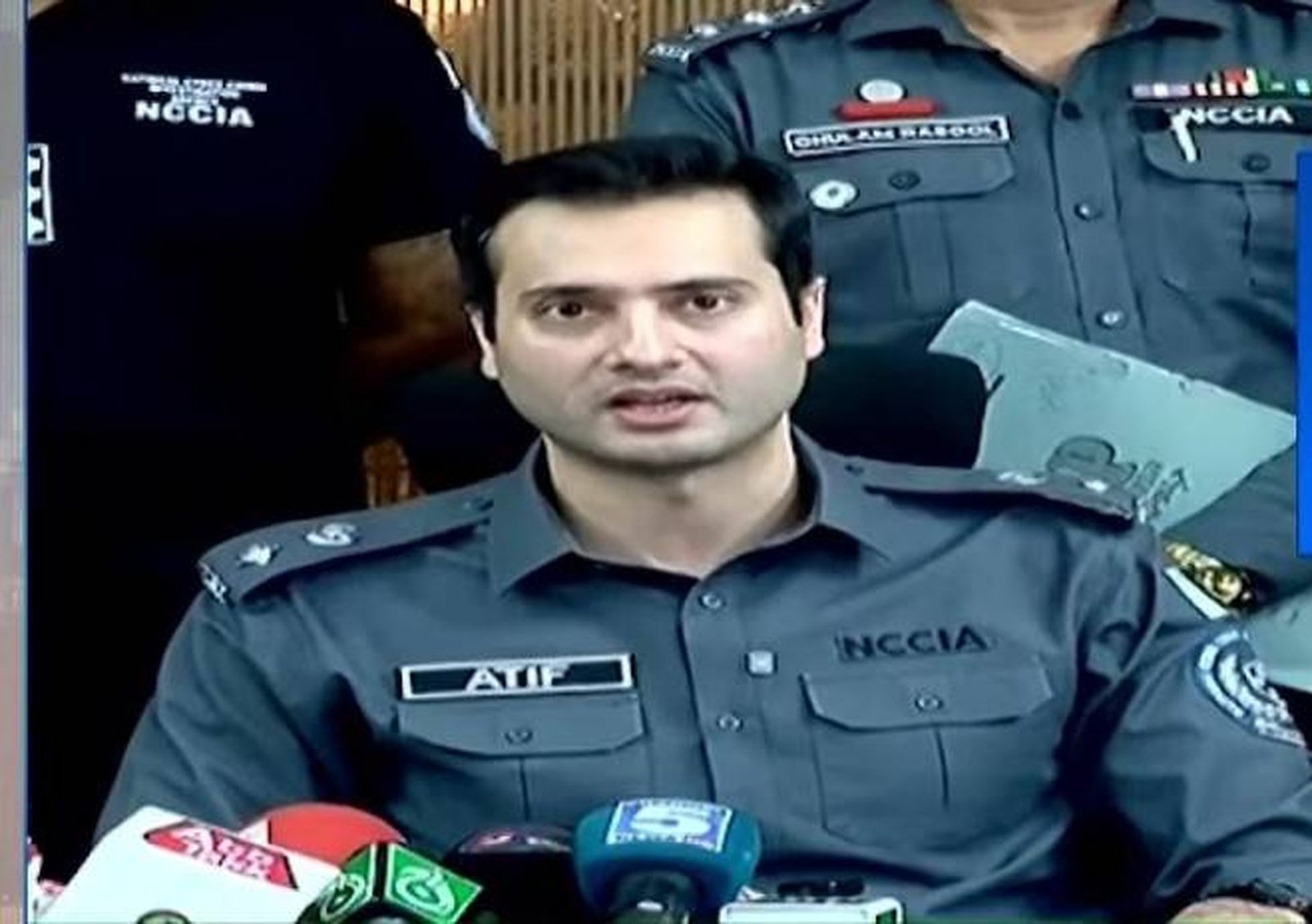
    NCCIA Lahore Zone Additional Director Atif Ameer said the agency carried out major operations against international online investment fraud networks allegedly linked to Chinese and Nigerian nationals, which were defrauding local and foreign citizens through fake investment schemes, online trading platforms and social media.

    During a raid on a facility named Prime Link in DHA Phase VIII, police arrested 35 suspects, including 34 Pakistani operators and a Chinese national, Fan Lu. Three women were among the arrested Pakistani operators. The team seized an iPad, 40 desktop computers and 34 mobile phones.

    In two separate operations in DHA Phase VI, another 23 suspects, including five women, were arrested. Investigations revealed that the networks were allegedly involved in fake stock market trading, Ponzi schemes and fraudulent online investment offers linked to Chinese and Nigerian nationals. Three Chinese nationals were also taken into custody at one of the locations.

    Preliminary investigations revealed that the network associated with Prime Link was using Hub Studio software to operate fake Facebook accounts featuring women’s photographs and fictitious identities. Suspects allegedly approached foreign investors, lured them with promises of high returns, and added them to WhatsApp groups to defraud them through fake investment schemes.

    In five separate operations against illegal call centres, the agency arrested 62 suspects and recovered 189 digital devices, including 100 laptops, 14 desktop computers, 73 mobile phones and two servers. According to the additional director, these call centres allegedly targeted citizens of the United States, the United Kingdom and Canada by impersonating representatives of reputed telecommunications companies and offering fraudulent mobile upgrades, internet, cable and SIM packages. Some groups were also allegedly using dialer software to obtain customers’ financial information and committing carding fraud through stolen bank card details.

    In another operation, the NCCIA arrested a private bank’s operations manager, identified as Arsalan Ahmed, for allegedly obtaining and selling citizens’ confidential personal data. A mobile phone was recovered from his possession. An internal inquiry by the bank revealed that the suspect had allegedly carried out 842 unauthorised verification searches of citizens’ identity card records through NADRA’s Verisys system using his user ID during August and September 2026. The suspect allegedly shared the information with a person identified as Ehtesham through WhatsApp and received Rs130 to Rs150 per verification through an Easypaisa account. A case (No. 289/2026) was registered, and further investigation was under way.

    The agency also arrested four suspects, Humair Wilayat, Muhammad Hussam Shahid, Hafiz Sulaiman Akram and Nauman Majeed, in cases involving the production and circulation of child sexual abuse material and blackmailing of minors. Two more suspects, Muhammad Ayub and Muhammad Bilal Mehr, were arrested for allegedly circulating misleading and derogatory content against state institutions on Facebook. Four mobile phones were seized during these operations.

    Separately, the NCCIA Gujranwala arrested a woman for allegedly blackmailing and harassing another woman and sharing her objectionable data. A mobile phone containing the alleged material was recovered, and a case was registered. Atif Ameer said Gujranwala had also been brought under the administrative jurisdiction of NCCIA Lahore Zone.

    Earlier this month, the NCCIA arrested 12 people in raids on two illegal call centres in Lahore, seizing 28 digital devices, according to reports in Daily Times and The Nation. The agency says the crackdown on illegal call centres and financial data abuse will continue.

    Atif Ameer said investigations were continuing while forensic examination of the seized digital devices was under way. The agency was also tracing financial transactions, proceeds of fraud and local and foreign facilitators and masterminds behind the networks. He added that the recovery and return of more than Rs30.17 million to victims was an important outcome of the operations, adding that action against cybercrime, financial fraud and illegal use of citizens’ personal data would continue. All those arrested are accused persons, and the allegations against them have yet to be tested in court.

  • این سی سی آئی اے کی لاہور میں کارروائیاں، 130 ملزمان گرفتار

    این سی سی آئی اے کی لاہور میں کارروائیاں، 130 ملزمان گرفتار

    نیشنل سائبر کرائم انویسٹی گیشن ایجنسی (این سی سی آئی اے) لاہور زون نے پیر کے روز بین الاقوامی سائبر فراڈ نیٹ ورکس، غیر قانونی کال سینٹرز، شہریوں کے ذاتی ڈیٹا کی فروخت اور آن لائن بلیک میلنگ کے خلاف کارروائیوں کے سلسلے میں 130 ملزمان کو گرفتار کر لیا، جن میں 9 خواتین بھی شامل ہیں، 24 نیوز ایچ ڈی نے رپورٹ کیا۔

    کارروائیوں کے دوران 276 ڈیجیٹل ڈیوائسز برآمد ہوئیں جبکہ مالی فراڈ کے متاثرین کو 30.17 ملین روپے واپس کر دیے گئے، چینل نے رپورٹ کیا۔

    این سی سی آئی اے لاہور زون کے ایڈیشنل ڈائریکٹر عاطف امیر نے بتایا کہ ایجنسی نے مبینہ طور پر چینی اور نائیجیرین شہریوں سے منسلک بین الاقوامی آن لائن سرمایہ کاری فراڈ نیٹ ورکس کے خلاف بڑی کارروائیاں کیں، جو جعلی سرمایہ کاری اسکیموں، آن لائن ٹریڈنگ پلیٹ فارمز اور سوشل میڈیا کے ذریعے مقامی اور غیر ملکی شہریوں کو دھوکہ دے رہے تھے۔

    ڈی ایچ اے فیز 8 میں پرائم لنک نامی مرکز پر چھاپے کے دوران پولیس نے 35 ملزمان کو گرفتار کیا، جن میں 34 پاکستانی آپریٹرز اور ایک چینی شہری فان لو شامل تھے۔ گرفتار پاکستانی آپریٹرز میں 3 خواتین بھی شامل تھیں۔ ٹیم نے ایک آئی پیڈ، 40 ڈیسک ٹاپ کمپیوٹرز اور 34 موبائل فونز قبضے میں لے لیے۔

    ڈی ایچ اے فیز 6 میں دو الگ کارروائیوں میں مزید 23 ملزمان گرفتار کیے گئے، جن میں 5 خواتین شامل تھیں۔ تحقیقات سے معلوم ہوا کہ یہ نیٹ ورکس مبینہ طور پر جعلی اسٹاک مارکیٹ ٹریڈنگ، پونزی اسکیموں اور چینی اور نائیجیرین شہریوں سے منسلک جعلی آن لائن سرمایہ کاری کی پیشکشوں میں ملوث تھے۔ ایک مقام پر 3 چینی شہریوں کو بھی حراست میں لیا گیا۔

    ابتدائی تحقیقات سے معلوم ہوا کہ پرائم لنک سے منسلک نیٹ ورک ہب اسٹوڈیو سافٹ ویئر استعمال کر کے خواتین کی تصاویر اور فرضی شناختوں والے جعلی فیس بک اکاؤنٹس چلا رہا تھا۔ ملزمان مبینہ طور پر غیر ملکی سرمایہ کاروں سے رابطہ کرتے، انہیں زیادہ منافع کا لالچ دیتے اور پھر انہیں واٹس ایپ گروپس میں شامل کر کے جعلی سرمایہ کاری اسکیموں کے ذریعے دھوکہ دیتے تھے۔

    غیر قانونی کال سینٹرز کے خلاف پانچ الگ کارروائیوں میں ایجنسی نے 62 ملزمان کو گرفتار کیا اور 189 ڈیجیٹل ڈیوائسز برآمد کیں، جن میں 100 لیپ ٹاپ، 14 ڈیسک ٹاپ کمپیوٹرز، 73 موبائل فونز اور 2 سرورز شامل تھے۔ ایڈیشنل ڈائریکٹر کے مطابق یہ کال سینٹرز مبینہ طور پر امریکہ، برطانیہ اور کینیڈا کے شہریوں کو نشانہ بناتے تھے، معروف ٹیلی کام کمپنیوں کے نمائندے بن کر جعلی موبائل اپ گریڈ، انٹرنیٹ، کیبل اور سم پیکجز پیش کرتے تھے۔ کچھ گروہ مبینہ طور پر ڈائلر سافٹ ویئر استعمال کر کے صارفین کی مالی معلومات حاصل کرتے اور چوری شدہ بینک کارڈ کی تفصیلات سے کارڈنگ فراڈ کرتے تھے۔

    ایک اور کارروائی میں این سی سی آئی اے نے ایک نجی بینک کے آپریشنز منیجر ارسلان احمد کو شہریوں کا خفیہ ذاتی ڈیٹا حاصل کرنے اور فروخت کرنے کے الزام میں گرفتار کیا۔ اس کے قبضے سے ایک موبائل فون برآمد ہوا۔ بینک کی داخلی انکوائری سے معلوم ہوا کہ ملزم نے مبینہ طور پر اگست اور ستمبر 2026 کے دوران اپنی یوزر آئی ڈی استعمال کر کے نادرا کے ویری سس سسٹم کے ذریعے شہریوں کے شناختی کارڈ ریکارڈ کی 842 غیر مجاز تصدیقی تلاشیں کیں۔ ملزم نے مبینہ طور پر یہ معلومات واٹس ایپ کے ذریعے احتشام نامی شخص کو دیں اور فی تصدیق 130 سے 150 روپے ایزی پیسہ اکاؤنٹ کے ذریعے وصول کیے۔ مقدمہ نمبر 289/2026 درج کر لیا گیا اور مزید تفتیش جاری تھی۔

    ایجنسی نے بچوں کے جنسی استحصال کی مواد کی تیاری اور پھیلاؤ اور نابالغوں کو بلیک میل کرنے کے مقدمات میں چار ملزمان حمیر ولایت، محمد حسام شاہد، حافظ سلیمان اکرم اور نعمان مجید کو بھی گرفتار کیا۔ دو مزید ملزمان محمد ایوب اور محمد بلال مہر کو فیس بک پر ریاستی اداروں کے خلاف مبینہ طور پر گمراہ کن اور توہین آمیز مواد پھیلانے کے الزام میں گرفتار کیا گیا۔ ان کارروائیوں کے دوران چار موبائل فونز ضبط کیے گئے۔

    علیحدہ طور پر این سی سی آئی اے گوجرانوالہ نے ایک خاتون کو ایک اور خاتون کو بلیک میل کرنے، ہراساں کرنے اور اس کا قابل اعتراض ڈیٹا شیئر کرنے کے الزام میں گرفتار کیا۔ مبینہ مواد والا موبائل فون برآمد کر لیا گیا اور مقدمہ درج کر لیا گیا۔ عاطف امیر نے بتایا کہ گوجرانوالہ کو بھی این سی سی آئی اے لاہور زون کے انتظامی دائرہ اختیار میں شامل کر لیا گیا ہے۔

    اس ماہ کے اوائل میں این سی سی آئی اے نے لاہور میں دو غیر قانونی کال سینٹرز پر چھاپوں میں 12 افراد کو گرفتار کیا تھا اور 28 ڈیجیٹل ڈیوائسز ضبط کی تھیں، ڈیلی ٹائمز اور دی نیشن کی رپورٹس کے مطابق۔ ایجنسی کا کہنا ہے کہ غیر قانونی کال سینٹرز اور مالی ڈیٹا کے غلط استعمال کے خلاف کارروائی جاری رہے گی۔

    عاطف امیر نے کہا کہ تفتیش جاری ہے جبکہ ضبط شدہ ڈیجیٹل ڈیوائسز کا فرانزک معائنہ کیا جا رہا ہے۔ ایجنسی مالی لین دین، فراڈ سے حاصل شدہ رقم اور نیٹ ورکس کے پیچھے مقامی اور غیر ملکی سہولت کاروں اور سرغنوں کا سراغ بھی لگا رہی ہے۔ انہوں نے کہا کہ متاثرین کو 30.17 ملین روپے سے زائد کی واپسی کارروائیوں کا اہم نتیجہ ہے، اور سائبر کرائم، مالی فراڈ اور شہریوں کے ذاتی ڈیٹا کے غیر قانونی استعمال کے خلاف کارروائی جاری رہے گی۔ گرفتار تمام افراد ملزمان ہیں اور ان کے خلاف الزامات کی عدالت میں ابھی جانچ ہونا باقی ہے۔

  • Flour Prices Rise Again in Karachi

    Flour Prices Rise Again in Karachi

    Flour mill owners in Karachi have increased flour prices once again, with fine flour rising by Rs12 per kg to Rs125 per kg and chakki flour rising by Rs15 per kg to Rs135 per kg, ARY News reported on Monday.

    Chaudhry Aamir Abdullah, chairman of the Flour Mills Association, said the government has banned the inter-provincial transportation of wheat across the country since October 28, because of which the price of wheat in Punjab is rising rapidly.

    He said the price of wheat in the province has risen from Rs4,500 per maund to Rs5,300 per maund, an increase of Rs800 per maund.

    The association chairman said the government has also banned the import of wheat, and that in these circumstances there is a fear of a further increase in wheat prices.

    Mill owners link the higher flour prices in Karachi directly to the rising cost of wheat, which is the raw material for flour. When wheat becomes dearer in Punjab, the province that supplies much of the country’s grain, the cost is passed on to flour buyers in Karachi, according to the association’s account.

    The ban on moving wheat between provinces, in place since October 28, has tightened supply in Punjab and pushed its wheat price up by Rs800 per maund in a short period, the chairman said. With wheat imports also banned, millers say there is little relief in sight and prices could rise further.

    Flour is a staple food across Pakistan, and changes in its price are felt quickly in household budgets, particularly by low-income families for whom wheat flour is the main source of daily bread. A rise of Rs12 to Rs15 per kg adds up to a significant extra cost over a month for a family buying flour regularly.

    ARY’s report did not carry any response from the government to the millers’ claims about the transport and import bans. The association has warned that unless wheat supply improves, consumers should expect further increases in flour prices.

  • کراچی میں آٹے کی قیمتوں میں پھر بڑا اضافہ

    کراچی میں آٹے کی قیمتوں میں پھر بڑا اضافہ

    کراچی میں فلور ملز مالکان نے آٹے کی قیمتوں میں ایک بار پھر اضافہ کر دیا ہے، فائن آٹا 12 روپے فی کلو مہنگا ہو کر 125 روپے فی کلو اور چکی آٹا 15 روپے فی کلو مہنگا ہو کر 135 روپے فی کلو ہو گیا ہے، اے آر وائی نیوز نے پیر کے روز رپورٹ کیا۔

    فلور ملز ایسوسی ایشن کے چیئرمین چوہدری عامر عبداللہ نے کہا کہ حکومت نے 28 اکتوبر سے ملک بھر میں گندم کی بین الصوبائی نقل و حمل پر پابندی لگا دی ہے، جس کی وجہ سے پنجاب میں گندم کی قیمت تیزی سے بڑھ رہی ہے۔

    انہوں نے کہا کہ صوبے میں گندم کی قیمت 4,500 روپے فی من سے بڑھ کر 5,300 روپے فی من ہو گئی ہے، یعنی 800 روپے فی من اضافہ ہوا ہے۔

    ایسوسی ایشن کے چیئرمین نے کہا کہ حکومت نے گندم کی درآمد پر بھی پابندی لگا دی ہے، اور ان حالات میں گندم کی قیمتوں میں مزید اضافے کا خدشہ ہے۔

    ملز مالکان کراچی میں آٹے کی قیمتوں میں اضافے کو براہ راست گندم کی بڑھتی ہوئی قیمت سے جوڑتے ہیں، کیونکہ گندم آٹے کا خام مال ہے۔ جب پنجاب میں گندم مہنگی ہوتی ہے، جو ملک کے بیشتر اناج کی فراہمی کرتا ہے، تو اس کا بوجھ کراچی میں آٹے کے خریداروں پر پڑتا ہے، ایسوسی ایشن کے مطابق۔

    چیئرمین کے مطابق 28 اکتوبر سے صوبوں کے درمیان گندم کی نقل و حمل پر پابندی نے پنجاب میں رسد کو سخت کر دیا ہے اور مختصر عرصے میں گندم کی قیمت 800 روپے فی من بڑھا دی ہے۔ گندم کی درآمد پر بھی پابندی کے باعث ملرز کا کہنا ہے کہ جلد کوئی ریلیف نظر نہیں آ رہا اور قیمتیں مزید بڑھ سکتی ہیں۔

    آٹا پاکستان بھر میں بنیادی غذا ہے، اور اس کی قیمت میں تبدیلی گھریلو بجٹ پر فوراً اثر ڈالتی ہے، خاص طور پر کم آمدنی والے خاندانوں پر جن کے لیے گندم کا آٹا روزانہ کی روٹی کا بنیادی ذریعہ ہے۔ فی کلو 12 سے 15 روپے کا اضافہ باقاعدگی سے آٹا خریدنے والے خاندان کے لیے مہینے بھر میں نمایاں اضافی خرچ بن جاتا ہے۔

    اے آر وائی کی رپورٹ میں نقل و حمل اور درآمد کی پابندیوں کے بارے میں ملرز کے دعوؤں پر حکومت کا کوئی ردعمل شامل نہیں تھا۔ ایسوسی ایشن نے خبردار کیا ہے کہ جب تک گندم کی رسد بہتر نہیں ہوتی، صارفین کو آٹے کی قیمتوں میں مزید اضافے کی توقع رکھنی چاہیے۔