Blog

  • ECP Removes Khalid Maqbool from MQM-P Leadership List

    ECP Removes Khalid Maqbool from MQM-P Leadership List

    The Election Commission of Pakistan has taken Dr Khalid Maqbool Siddiqui’s name off its official record as the head of the Muttahida Qaumi Movement-Pakistan, leaving the party’s top slot empty in the regulator’s latest register of political parties.

    The updated register, published on the commission’s website, shows a blank space where the name of the MQM-P chief should appear. The party itself has not been struck off the register, and officials say it remains a recognised political party for now.

    The move follows MQM-P’s failure to hold its internal elections within the time the commission had allowed. Earlier this year, the Election Commission had given the party until October 15 to complete the exercise. When that date passed without the polls taking place, the commission sent the party a formal notice asking why it had not complied.

    The notice gave the party two weeks to explain itself and warned that it could lose its election symbol if the internal polls were not held. Without a symbol, a party cannot contest a general election under its own banner.

    MQM-P has since replied to the notice. Its response was filed through its counsel, Barrister Farogh Naseem. A senior commission official said the reply had been received and would be examined, and that if it does not satisfy the commission, the matter will be fixed for a hearing and decided on merit.

    Siddiqui, who also serves as the federal minister for education, has led the party for several years, securing repeated extensions from the commission for the internal elections. At one stage he had assured the regulator that the polls would be held on October 14, but the commitment was not met.

    MQM-P is not the only party affected by the updated register. The name of Pashtunkhwa Milli Awami Party chief Mahmood Khan Achakzai has also been removed, as a case about that party’s internal elections and a change to its constitution is still pending before the commission. The Pakistan Tehreek-e-Insaf and the Tehreek-e-Labbaik Pakistan are likewise listed without the names of their heads.

    The development has set off a debate inside MQM-P circles, with questions being raised about the party’s leadership and the way forward. For now, the commission’s message is clear: parties must hold their internal elections on time, or face the consequences laid down in the law.

  • China Approves Eli Lilly’s Oral Obesity Drug

    China Approves Eli Lilly’s Oral Obesity Drug

    China has approved Eli Lilly’s once-daily weight-loss tablet orforglipron, making the American drugmaker the first company to win clearance for a weight-management pill of this type in the country. The decision was announced by China’s medicines regulator on Thursday, 12 November 2026.

    Until now, Chinese patients seeking drug treatment for obesity could only use injections. Orforglipron changes that. It belongs to the GLP-1 family of medicines, which copy a gut hormone to reduce appetite and help control blood sugar, but unlike the injections it is taken as a small tablet once a day. The drug is a small-molecule, non-peptide version of the treatment, and it is already sold in the United States under the brand name Foundayo.

    A lead over Novo Nordisk

    The approval hands Lilly an early advantage over its Danish rival Novo Nordisk in the world’s second-largest market for medicines. Novo has also asked Chinese regulators to approve an oral version of its Wegovy injection, and its application was accepted for review in August 2026, but it has not yet been cleared. Other companies, including Jiangsu Hengrui Pharmaceuticals and Huadong Medicine, are also working on rival weight-loss pills.

    Orforglipron will compete with a crowded field of injections already on sale in China, including Lilly’s own once-weekly treatment and products from Novo, Pfizer and the local maker Innovent Biologics. A tablet could appeal to patients who dislike needles, and doctors say easier treatment could bring in people who have so far stayed away from weight-loss drugs altogether.

    A fast-growing market

    The commercial stakes are large. China’s National Health Commission has projected that more than 65 per cent of the population could be overweight or obese by 2030. Yang Huang, who leads China healthcare research at J.P. Morgan, has estimated that sales of GLP-1 weight-management drugs in China could grow from about 3 to 4 billion yuan to 30 billion yuan over five to seven years.

    Lilly has been preparing for that growth. In March 2026 the company said it would invest 3 billion dollars in China over ten years, with some of the money going towards expanding production capacity for orforglipron and building local manufacturing for oral medicines. The company filed its Chinese marketing application for the drug in late 2025.

    What patients will actually pay, and when the tablet will reach pharmacies, is still unclear. Lilly did not immediately respond to questions about pricing or the launch date in China. In the United States, oral weight-loss treatments already account for about a third of obesity prescriptions since Novo’s Wegovy pill reached patients in January this year, a sign of how quickly tablets are catching on.

  • Sri Lanka Seeks $2 Billion in Foreign Loans as IMF Bailout Nears Its End

    Sri Lanka Seeks $2 Billion in Foreign Loans as IMF Bailout Nears Its End

    Sri Lanka will seek $2.08 billion in foreign loans next year as it completes a four-year International Monetary Fund bailout programme following an unprecedented economic meltdown, President Anura Kumara Dissanayake said on Thursday.

    Unveiling the budget for 2027, Dissanayake said he was still considering whether to enter into a new arrangement with the IMF after the bailout ends in March. Sri Lanka secured a four-year, $2.9 billion loan from the Washington-based lender of last resort in March 2023, after the country defaulted on its $46 billion foreign debt in April 2022.

    “We expect to successfully complete the 17th IMF programme,” Dissanayake told parliament. “We have appointed a committee to study whether we should enter into a new programme.”

    He said the government’s foreign debt servicing in 2027 would be $2.98 billion, down from $3.59 billion this year and $3.70 billion last year. “We have the stability required for this debt servicing,” he added.

    State revenue is forecast to moderate slightly next year to 15.8 percent of GDP, down from 16.6 percent in 2026 and 16.7 percent last year, according to official figures. The foreign loans Sri Lanka hopes to raise next year could help finance the budget.

    Dissanayake’s government has also marginally increased the income tax threshold and widened the tax bands, with a slight reduction in tax rates for middle-income earners. The upper limit of income tax remains at 36 percent.

    The overall budget deficit is forecast to widen marginally to 4.5 percent of GDP in 2027, compared with 3.7 percent this year and 2.3 percent last year. The government hopes to maintain in 2027 the 5.0 percent economic expansion recorded in 2025, the president said, adding that growth in the second quarter of this year slowed to 4.2 percent because of the impact of the Middle East war.

    The IMF forecasts that Sri Lanka’s growth in 2026 will slow to 3.1 percent because of higher global energy costs. The IMF noted last month that Sri Lanka’s economy had proved “remarkably resilient to successive shocks”, as the country recorded 11 consecutive quarters of expansion after contracting by 7.3 percent in 2022.

    However, the IMF has warned that Sri Lanka “continues to face downside risks from uncertainty over the duration and intensity of the Middle East war, global trade policy and the impact of El Nino”.

  • پنجاب میں مفت دل کے آپریشنز پر ڈیڑھ ارب روپے خرچ — 44 اسپتالوں میں مفت علاج جاری

    پنجاب میں مفت دل کے آپریشنز پر ڈیڑھ ارب روپے خرچ — 44 اسپتالوں میں مفت علاج جاری

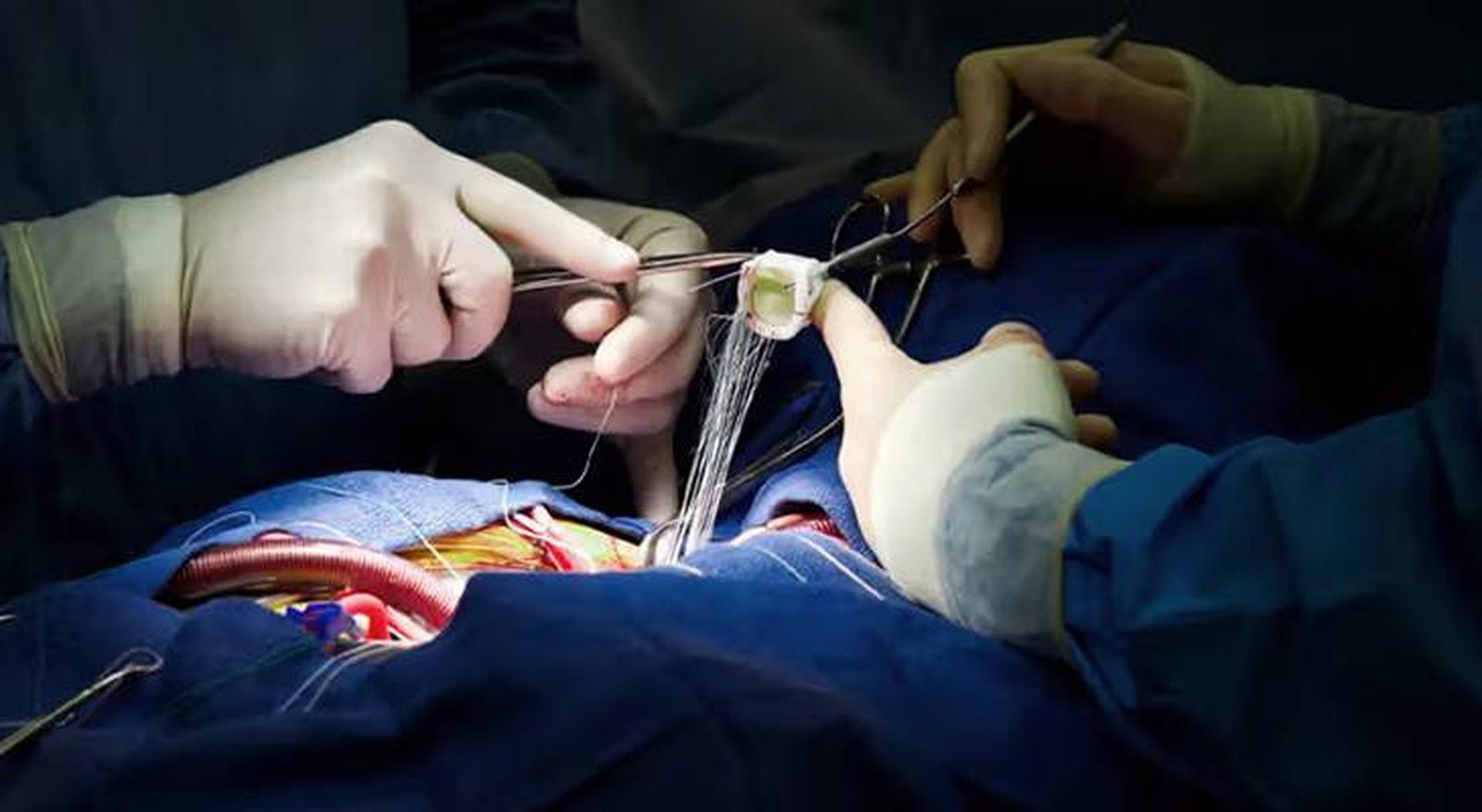
    پنجاب حکومت نے وزیراعلیٰ کارڈیک سرجری پروگرام کے تحت مفت دل کے آپریشنز پر مارچ 2026 سے اب تک ڈیڑھ ارب روپے خرچ کیے ہیں۔ اس پروگرام کے تحت مستحق مریضوں کے دل کے آپریشن مفت کیے جا رہے ہیں۔

    پروگرام کا جائزہ اجلاس اسپیشلائزڈ ہیلتھ کیئر ڈیپارٹمنٹ میں صوبائی وزیر صحت خواجہ سلمان رفیق کی زیر صدارت منعقد ہوا۔ اجلاس میں وزیراعلیٰ کی مشاورتی کمیٹی برائے امراض قلب کے چیئرمین ڈاکٹر فرقد عالمگیر بھی شریک ہوئے۔

    اجلاس میں اسپیشلائزڈ ہیلتھ کیئر سیکریٹری اظمت محمود اور پنجاب ہیلتھ انیشی ایٹو مینجمنٹ کمپنی کے سی ای او ڈاکٹر علی رزاق نے بھی شرکت کی۔ اسپیشل سیکریٹری (ترقیات) احمد کمال مان اور ایڈیشنل سیکریٹری ڈاکٹر ستائش بھی اجلاس میں موجود تھے۔

    اجلاس کے دوران خواجہ سلمان رفیق نے بتایا کہ اب تک پروگرام کے پینل میں 44 اسپتال شامل کیے جا چکے ہیں، جن میں 9 سرکاری اور 35 نجی شعبے کے اسپتال شامل ہیں۔ اس سے مریضوں کو اپنے قریبی اسپتال میں مفت علاج کی سہولت میسر آ رہی ہے۔

    پروگرام کے تحت دل کے مریضوں کو سرجری کی مفت سہولت فراہم کی جا رہی ہے، جس سے ہزاروں خاندانوں کو مالی بوجھ سے نجات ملی ہے۔ دل کی سرجری مہنگی ترین علاجوں میں سے ایک ہے اور عام آدمی کے لیے اس کا خرچ برداشت کرنا مشکل ہوتا ہے۔

    حکومتی ذرائع کے مطابق اس پروگرام کا مقصد یہ ہے کہ کوئی بھی مریض پیسوں کی کمی کی وجہ سے دل کے علاج سے محروم نہ رہے۔ سرکاری اور نجی اسپتالوں کے پینل کی وجہ سے مریضوں کو علاج کے لیے لمبا انتظار نہیں کرنا پڑتا۔

    ماہرین صحت کا کہنا ہے کہ دل کی بیماریاں پاکستان میں اموات کی بڑی وجوہات میں شامل ہیں۔ ایسے میں مفت سرجری کا پروگرام لاکھوں مریضوں کے لیے زندگی بچانے والا ثابت ہو سکتا ہے، خاص طور پر غریب اور متوسط طبقے کے خاندانوں کے لیے۔

    اجلاس میں پروگرام کی کارکردگی کا جائزہ لیا گیا اور اسے مزید بہتر بنانے کے اقدامات پر بھی غور کیا گیا۔ حکام کا کہنا ہے کہ پروگرام کو مزید اسپتالوں تک پھیلانے کی کوشش جاری ہے تاکہ زیادہ سے زیادہ مریض مستفید ہو سکیں۔

  • Men Should Get Screened for Prostate Cancer Every Two Years From Age 50, Experts Say

    Men Should Get Screened for Prostate Cancer Every Two Years From Age 50, Experts Say

    One of the leading cancer organisations in the United States is raising the alarm over prostate cancer and directly urging men to get screened, in a major shift in medical guidance.

    The American Cancer Society has updated its screening guidelines for the early detection of prostate cancer to include a direct recommendation for screening every two years, starting at age 50, for men at average risk of the condition. Men at higher risk, including Black men and those with a strong family history of the disease, should be screened annually starting at 45.

    The update, published on Thursday in CA: A Cancer Journal for Clinicians, marks a significant shift from the previous screening guidelines, which emphasised “informed decision-making” and urged men to discuss prostate cancer screening with a health care provider before deciding.

    “We’re hopeful with this recommendation that men seriously consider being screened for prostate cancer as we outline in our guidelines. And once you hit age 70, then you’re back in the individual decision-making process,” Dr William Dahut, chief scientific officer of the American Cancer Society, said about the updated guideline.

    The previous screening guideline was published in 2010, and at that time, Dahut said, “it wasn’t really clear at that point that with prostate screening, the benefits outweigh the harms”. Since then, he said, steps have been taken to minimise the harms of screening, and long-term data from studies done primarily in Europe show that men screened for prostate cancer every two years have a decrease in prostate cancer mortality.

    The American Cancer Society says the updated guideline reflects stronger evidence showing that screening for prostate cancer with a PSA test significantly reduces the risk of dying from the disease. “Leaving it to each patient and doctor meant a lot of men were simply never offered the test. A clear recommendation fixes that,” said Dr Neeraj Agarwal, a medical oncologist and co-director of the Prostate Cancer Program at the Dana-Farber Cancer Institute and Harvard Cancer Center, who was not involved in the updated guideline.

    A PSA test is the main screening tool for prostate cancer. It measures the level of prostate-specific antigen, a protein produced by the prostate gland, in a blood sample. An elevated PSA does not always indicate cancer; it could also be due to an enlarged prostate, which is common as men age, or, less likely, an infection.

    The new guideline describes an abnormal PSA level as 3 nanograms per millilitre or higher for men aged 69 and younger, and 6.5 ng/mL or higher for men aged 70 to 74. “Your first PSA can be really powerful, especially when obtained in your 40s and 50s. It establishes a baseline,” said Dr Yaw Nyame, a physician and associate professor at the Fred Hutchinson Cancer Center who served on the expert panel that reviewed the guideline. “If that first PSA is under 1 ng/ml, your lifetime risk of prostate cancer is much lower.”

    Prostate cancer is the second-leading cause of cancer death among men in the US, behind only lung cancer, and diagnoses have been rising — up about 3 percent per year from 2014 through 2022, with more late-stage cancers found. Dahut urged men to talk to their primary care doctor about screening.

  • Manchester United Sack Michael Carrick After Worst-Ever Start — Pochettino Tipped to Take Over

    Manchester United Sack Michael Carrick After Worst-Ever Start — Pochettino Tipped to Take Over

    Manchester United have sacked manager Michael Carrick after the club’s worst-ever start to a Premier League campaign, with United States boss Mauricio Pochettino widely tipped to replace him.

    The club confirmed on Thursday that it had parted ways with the 45-year-old former captain, who led the team to an impressive third-place finish last season. United have taken just eight points from 10 league games this season and sit in the relegation zone.

    “After a disappointing start to the season, the club has come to the extremely difficult conclusion that a change is necessary in order to achieve our ambitions,” United said in a statement. “Michael is, and always will be, a Manchester United legend. Just as he did as a player, he has conducted himself with the highest standards of dedication and professionalism throughout his time back with the club.”

    United said they intended to appoint a permanent successor “as quickly as possible”. Carrick is the seventh permanent manager to be dismissed by the club since Alex Ferguson retired in 2013.

    Carrick impressed after taking over as interim boss following Ruben Amorim’s exit in January, leading United to Champions League qualification. He was rewarded with a two-year permanent deal, but his side have endured a steep decline this season, hampered by what the club’s own assessment described as underwhelming recruitment in the summer transfer window.

    United have won only three of their 15 games in all competitions this season. Carrick also struggled to maintain discipline in the dressing room, dropping captain Bruno Fernandes after the midfielder criticised his manager’s tactics following a 4-1 thrashing at Champions League debutants Como. Defender Lisandro Martinez also spoke out against the club’s hierarchy over the lack of top-quality signings.

    Carrick’s final game in charge was a chaotic 4-4 draw against Aston Villa on Sunday, after which he stressed he would not walk away. United, however, decided to act during the international break in the hope of saving their season. It is believed his future was decided on Wednesday during a meeting in Monaco involving co-owner Jim Ratcliffe, chief executive Omar Berrada and director of football Jason Wilcox.

    Pochettino has now emerged as the overwhelming favourite to take over. The Argentine has extensive Premier League experience following spells in charge of Southampton, Tottenham and Chelsea, and he also coached Paris Saint-Germain. Sky Sports reported on Wednesday that United have “reached a verbal agreement in principle” with Pochettino to become their new boss, although he signed a contract extension to remain with the United States through to the 2030 World Cup just three months ago.

    Rio Ferdinand, a former team-mate of Carrick’s at United, paid tribute on X, writing: “Forever Legend! Showed dignity & class as always.”

  • سونے کی قیمت میں ایک ہی دن میں 10,900 روپے کی بڑی کمی — فی تولہ 4 لاکھ 16 ہزار روپے رہ گیا

    سونے کی قیمت میں ایک ہی دن میں 10,900 روپے کی بڑی کمی — فی تولہ 4 لاکھ 16 ہزار روپے رہ گیا

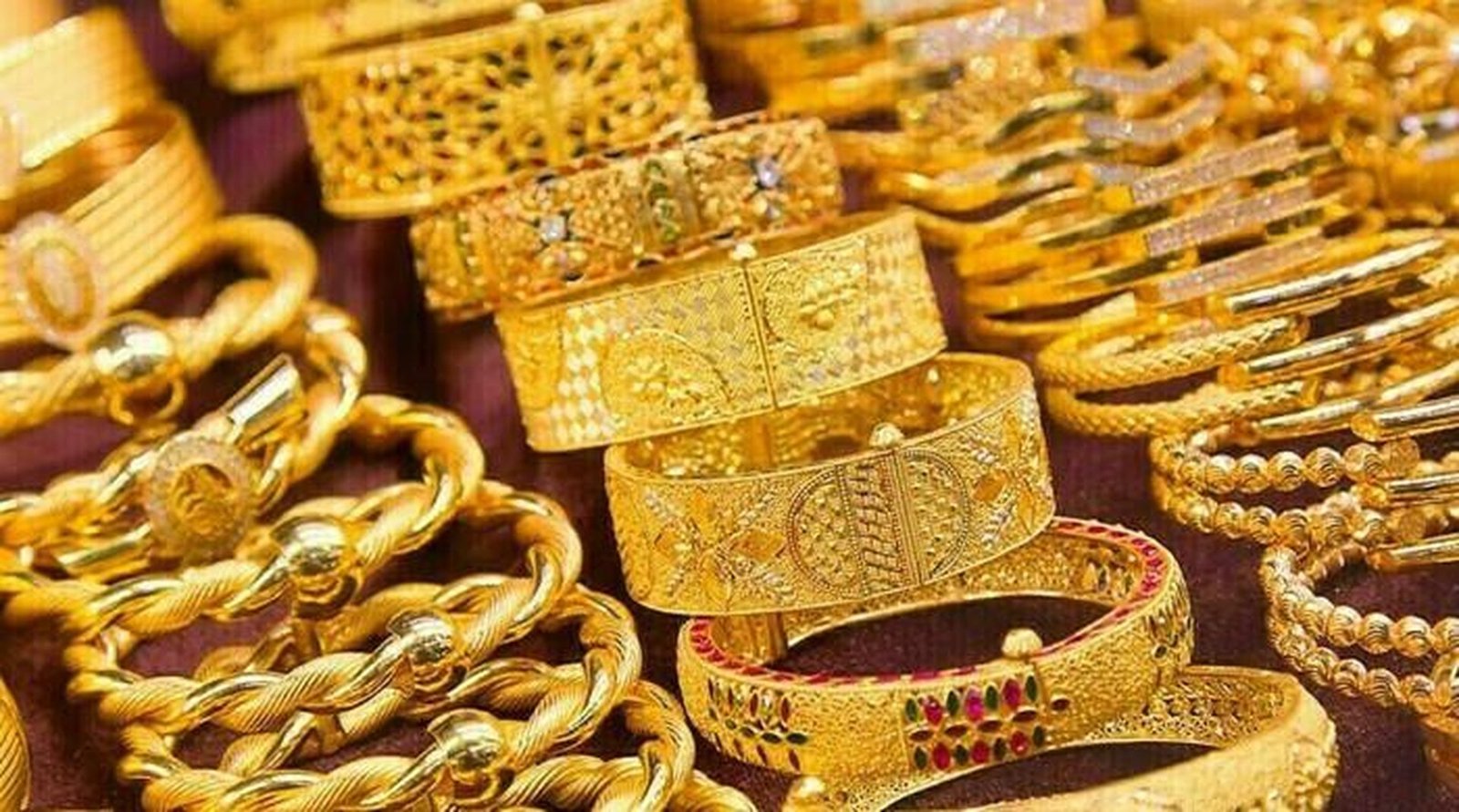
    ملک میں سونے کی قیمت میں ایک ہی دن میں بڑی کمی دیکھنے میں آئی ہے۔ آل پاکستان جیمز اینڈ جیولرز ایسوسی ایشن کے مطابق فی تولہ سونے کی قیمت 10 ہزار 900 روپے کم ہوکر 4 لاکھ 16 ہزار 536 روپے ہوگئی ہے۔

    ایسوسی ایشن کے مطابق 10 گرام سونے کی قیمت میں بھی 9 ہزار 345 روپے کی کمی ہوئی ہے، جس کے بعد 10 گرام سونا 3 لاکھ 57 ہزار 112 روپے کا ہوگیا ہے۔ سونے کی قیمتوں میں یہ کمی خریداروں کے لیے خوشخبری قرار دی جا رہی ہے، خاص طور پر ان خاندانوں کے لیے جو شادی بیاہ یا سرمایہ کاری کے لیے سونا خریدنے کا ارادہ رکھتے ہیں۔

    عالمی بازار میں بھی سونے کی قیمت میں نمایاں کمی دیکھی گئی۔ بین الاقوامی مارکیٹ میں سونا 109 ڈالر سستا ہوکر 3 ہزار 940 ڈالر فی اونس پر آگیا ہے۔ عالمی قیمتوں میں کمی کا براہ راست اثر مقامی مارکیٹ پر بھی پڑا ہے۔

    یاد رہے کہ ایک روز قبل بھی سونے کی قیمت میں 3 ہزار 400 روپے فی تولہ کی کمی ہوئی تھی، جس کے بعد آج کی بڑی کمی نے دو روز میں مجموعی کمی کو 14 ہزار 300 روپے فی تولہ تک پہنچا دیا ہے۔ سونے کی قیمتوں میں مسلسل کمی سے صرافہ بازاروں میں خریداری کی سرگرمیاں بڑھنے کا امکان ہے۔

    ماہرین کے مطابق عالمی مارکیٹ میں سونے کی قیمتوں میں اتار چڑھاؤ کی کئی وجوہات ہو سکتی ہیں، جن میں ڈالر کی قدر، عالمی معیشت کی صورتحال اور سرمایہ کاروں کا رجحان شامل ہے۔ مقامی مارکیٹ میں سونے کی قیمت کا تعین عالمی قیمتوں اور روپے کے مقابلے میں ڈالر کی قدر کو دیکھ کر کیا جاتا ہے۔

    صرافہ ڈیلرز کا کہنا ہے کہ قیمتوں میں کمی کے بعد بازار میں خریداروں کی دلچسپی میں اضافہ دیکھا جا رہا ہے۔ تاہم کچھ خریدار مزید کمی کے انتظار میں بھی ہیں، جس کی وجہ سے فروخت میں مکمل تیزی ابھی سامنے نہیں آئی۔

    دوسری جانب سونا خریدنے والوں کو مشورہ دیا جاتا ہے کہ وہ خریداری سے قبل تازہ ترین قیمتوں کی تصدیق ضرور کریں، کیونکہ سونے کی قیمتیں روزانہ کی بنیاد پر تبدیل ہوتی رہتی ہیں۔ جیولرز ایسوسی ایشن روزانہ سونے کی نئی قیمتوں کا اعلان کرتی ہے۔

    سونے کی قیمتوں میں حالیہ کمی ان افراد کے لیے بھی اہم ہے جو سونے کو سرمایہ کاری کے طور پر رکھتے ہیں، کیونکہ قیمتوں میں اتار چڑھاؤ براہ راست ان کی سرمایہ کاری کی قدر پر اثر انداز ہوتا ہے۔

  • One Facilitation Centre for Women in Every Province: CJP Afridi Approves Landmark Plan

    One Facilitation Centre for Women in Every Province: CJP Afridi Approves Landmark Plan

    Chief Justice of Pakistan Justice Yahya Afridi has approved the establishment of women facilitation centres across the country, with one centre in each of the four provinces to be set up in the first phase.

    A meeting of the Law and Justice Commission of Pakistan, chaired by the chief justice, reviewed progress on establishing the centres and decided to begin with one in every province. The centres will provide women litigants with guidance and assistance in a safe, dignified and accessible environment.

    The meeting was attended by the Supreme Court Registrar, Law and Justice Commission Secretary Captain (retd) Mushtaq Ahmed, Balochistan High Court Registrar Nasir Khan, former chairperson of the Institute of Architects Pakistan Ruvayda Hameed, NESPAK General Manager Faisal Majeed, Waqar Sheikh and members of the relevant committees. Resident additional secretaries of the commission posted in the four provinces, along with the architects who secured the top three positions in the design competition, also joined the meeting via video link.

    Chief Justice Afridi highlighted reforms undertaken during 2025-26 to improve judicial facilities, saying courts and bar associations had been provided with uninterrupted electricity, e-libraries, internet connectivity and clean drinking water. He said projects to provide basic facilities at courts and bar associations across the country, including Islamabad, had been completed.

    He said establishing women facilitation centres in the four provinces and Islamabad during 2026-27 was a key priority. The centres will provide women with information, guidance and legal assistance under one roof. The one-window facility will reduce the need for women litigants to visit multiple offices and make repeated trips to courts.

    The centres will have reception areas, guidance desks, comfortable waiting rooms, clean washrooms, separate consultation rooms for women, and facilities for legal advice and assistance. Dedicated spaces will also be allocated for mediation and alternative dispute resolution.

    The project will also include psychological and social support for women in need, assistance in accessing relevant institutions, and accessible entrances, ramps and clear directional signs for women with disabilities. Suitable spaces will also be provided, where required, for meeting children and maintaining dignified contact with them.

    Chief Justice Afridi said the centres were being established to ensure women’s privacy, security, dignity and easier access to justice. They would help women understand judicial procedures and overcome practical difficulties in exercising their legal rights.

    He said a nationwide design competition had been organised in collaboration with the Institute of Architects Pakistan, and the three winning designs had been shared with all high courts so they could select suitable designs according to local requirements. The meeting was informed that consultations with the relevant high courts in all four provinces had been completed and locations for the first four centres had also been identified. The chief justice directed NESPAK to begin work on the project.

  • Kushner and Witkoff Land in Moscow for 10th Putin Peace Talks

    Kushner and Witkoff Land in Moscow for 10th Putin Peace Talks

    United States envoys Jared Kushner and Steve Witkoff arrived in Moscow on Thursday for talks with Russian President Vladimir Putin, in the latest American push to secure a peace deal in Ukraine. The Kremlin meeting, expected in the first half of the day, will be the tenth time Mr Witkoff has met Mr Putin in person.

    The two envoys were met off their plane by Kirill Dmitriev, Mr Putin’s special envoy, who accompanied them to central Moscow in wet snow. Their visit follows two days of trilateral peace talks in Abu Dhabi, which ended on Wednesday with the announcement of another large planned prisoner exchange but no public breakthrough on the wider negotiations.

    The Abu Dhabi talks were the first face-to-face peace talks brokered by the United States in nine months. Envoys from both sides reported only limited headway in efforts to end a conflict now in its fourth and a half year, and the American delegation has since been trying to shift the discussion towards long-term security guarantees and post-war recovery.

    Deadlock over Donbas

    Kyiv has firmly rejected Mr Putin’s demand that Ukraine surrender the whole of the eastern Donbas region in return for peace. With the negotiations stalled over territory, the United States has attempted to redirect them towards security pledges that could reassure Ukraine without settling the land question first.

    President Donald Trump has spoken publicly with optimism about the chances of a deal, but meaningful compromises have yet to materialise. The gap between the two sides remains wide: Moscow continues to insist on territorial concessions, while Kyiv says it will not trade land for a ceasefire.

    Separately, a senior Russian diplomat said on Wednesday that Moscow was prepared to conclude non-aggression pacts with NATO member states as part of a new security framework for Europe. Many European lawmakers have argued against negotiating the continent’s defence arrangements until tangible progress, such as a truce in Ukraine, has been achieved.

    The Moscow visit comes at a delicate moment for the American effort. The Abu Dhabi round showed that the two sides can still sit at the same table and agree on humanitarian steps such as prisoner swaps, but it also showed how far apart they remain on the central questions of territory and security. Whether the Kremlin talks move the process forward will become clearer once the envoys report back to Washington.

  • Two Supertankers Carrying 4 Million Barrels of Oil Explode in Strait of Hormuz

    Two Supertankers Carrying 4 Million Barrels of Oil Explode in Strait of Hormuz

    Two supertankers carrying more than four million barrels of oil between them have been disabled by massive explosions in the Strait of Hormuz, Iran’s Revolutionary Guards Navy said on Thursday. The vessels were left burning after the blasts on Wednesday night, in the latest escalation in the eight-month war between the United States, Israel and Iran.

    According to the Guards, the two tankers were sailing through what Tehran calls an unauthorised southern route when the incident happened. The statement said the vessels had ignored repeated warnings from the Guards’ traffic control centre that the route was not authorised and was unsafe, and that the incident ended in what it described as a violent explosion.

    Iranian state media later said the tankers had exploded after hitting naval mines, although the Guards’ own statement did not specify the cause of the explosions. No independent confirmation of what caused the blasts was available, and the names, flags and crews of the two tankers had not been publicly identified.

    A strait under tight control

    Since the war began in February, Tehran has heavily restricted traffic through the strategic waterway, insisting that vessels use only routes it has approved. Iran has declared the southern shipping lanes of the strait, near Omani waters, off limits and mined, confining safe passage to designated northern corridors that require prior authorisation from its forces.

    The United States has responded by imposing a naval blockade on Iranian ports and helping tankers travel through the strait, which normally carries about one-fifth of the world’s oil. The Guards blamed the incident on what it called blind trust in the American military, a claim that has not been independently verified.

    Iranian forces have made several announcements in recent weeks of ships catching fire while attempting to use routes that Tehran considers off limits. Tehran has often said the vessels struck mines, but the US military recently claimed that all mines had been cleared from the strait. In several cases, the United Kingdom Maritime Trade Operations agency has said tankers in the strait were struck by unknown projectiles.

    The incident underlines how dangerous one of the world’s most important shipping routes has become. With the strait carrying such a large share of global oil supplies, any disruption there carries consequences far beyond the region, and the conflicting accounts of what happened to the two tankers show how hard it has become to establish the facts in the middle of an active conflict.