Blog

  • Tableeghi Jamaat Amir Maulana Nazarur Rehman Passes Away in Lahore

    Tableeghi Jamaat Amir Maulana Nazarur Rehman Passes Away in Lahore

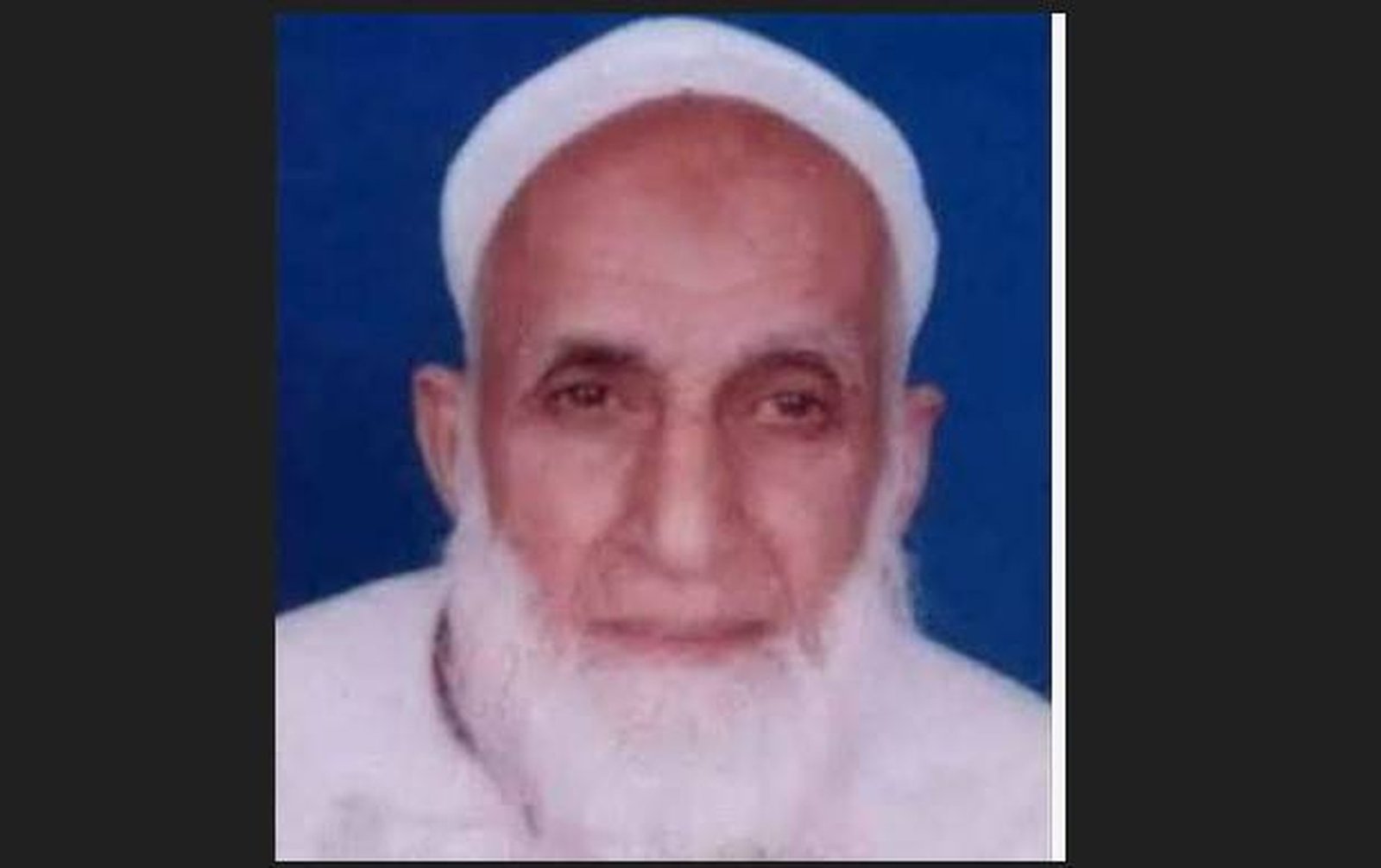
    Maulana Nazarur Rehman, the Amir of Tableeghi Jamaat, passed away in Lahore on Monday, 16 November 2026, according to 24News. He had fallen suddenly ill a few days ago and had been under treatment since then.

    The news of his death was received with grief by people from all walks of life. According to 24News, the religious community has suffered an irreparable loss with his passing, and messages of condolence poured in as the news spread.

    Maulana Nazarur Rehman had served as the Amir of Tableeghi Jamaat since 2018, when he succeeded Haji Abdul Wahab as the head of the movement. His appointment marked the beginning of a new chapter in the leadership of the Jamaat, following the passing of a leader who had guided it for many years.

    Haji Abdul Wahab, whom Maulana Nazarur Rehman succeeded, died in November 2018 at the age of 96. Before his death, Haji Abdul Wahab had recorded his wishes in a will dated 17 November 2015, in which he named Maulana Nazarur Rehman as his preferred successor to lead the Jamaat.

    Maulana Nazarur Rehman was born in Bilawal village in Rawalpindi district. He was among the initial twenty members of the Tableeghi Jamaat in Pakistan, a distinction that placed him among the earliest group of people associated with the movement in the country.

    His place among the initial twenty members of the Jamaat in Pakistan reflected a connection with the movement that stretched back to its early days in the country. That background, together with the confidence placed in him by Haji Abdul Wahab, shaped his standing among the members of the Jamaat.

    As Amir, Maulana Nazarur Rehman led the Jamaat from 2018 until his death. During that period, the Jamaat continued its work under his leadership, and his name remained closely associated with the movement and its gatherings across the country.

    His sudden illness a few days before his death had caused concern among his followers, and he remained under treatment until he passed away in Lahore on Monday. The announcement of his death was widely reported, with multiple reports confirming the news and recording the grief felt across the religious community.

    With his passing, the Tableeghi Jamaat has lost the leader who had guided it since 2018. People from all walks of life have expressed their grief, and according to 24News, the religious community has suffered a loss that cannot be repaired.

  • تبلیغی جماعت کے امیر مولانا نذر الرحمن لاہور میں انتقال کر گئے

    تبلیغی جماعت کے امیر مولانا نذر الرحمن لاہور میں انتقال کر گئے

    تبلیغی جماعت کے امیر مولانا نذر الرحمن پیر کے روز 16 نومبر 2026 کو لاہور میں انتقال کر گئے۔ 24 نیوز کے مطابق وہ چند روز قبل اچانک بیمار ہوئے تھے اور اس کے بعد سے زیر علاج تھے۔

    ان کے انتقال کی خبر پر ہر طبقہ فکر کے لوگوں نے گہرے دکھ اور افسوس کا اظہار کیا۔ 24 نیوز کے مطابق ان کے انتقال سے مذہبی حلقوں کو ناقابل تلافی نقصان پہنچا ہے، اور خبر پھیلتے ہی تعزیت کے پیغامات آنے لگے۔

    مولانا نذر الرحمن 2018 سے تبلیغی جماعت کے امیر تھے، جب انہوں نے حاجی عبدالوہاب کی جگہ جماعت کی قیادت سنبھالی تھی۔ ان کی تقرری جماعت کی قیادت میں ایک نئے باب کا آغاز تھی، جو ایک ایسے رہنما کے انتقال کے بعد ہوئی جنہوں نے کئی برس تک جماعت کی رہنمائی کی تھی۔

    حاجی عبدالوہاب، جن کی جگہ مولانا نذر الرحمن نے لی تھی، نومبر 2018 میں 96 برس کی عمر میں انتقال کر گئے تھے۔ اپنے انتقال سے قبل حاجی عبدالوہاب نے 17 نومبر 2015 کو ایک وصیت تحریر کی تھی، جس میں انہوں نے مولانا نذر الرحمن کو جماعت کی قیادت کے لیے اپنا پسندیدہ جانشین قرار دیا تھا۔

    مولانا نذر الرحمن ضلع راولپنڈی کے گاؤں بلوال میں پیدا ہوئے تھے۔ وہ پاکستان میں تبلیغی جماعت کے ابتدائی بیس ارکان میں سے ایک تھے، اور اس حیثیت نے انہیں ملک میں اس تحریک سے وابستہ ابتدائی افراد میں شامل کر دیا تھا۔

    پاکستان میں جماعت کے ابتدائی بیس ارکان میں ان کی شمولیت اس بات کی عکاسی کرتی ہے کہ ان کا تعلق اس تحریک سے اس کے ابتدائی دنوں سے تھا۔ اس پس منظر اور حاجی عبدالوہاب کے ان پر اعتماد نے جماعت کے ارکان میں ان کے مقام کو مضبوط کیا تھا۔

    امیر کی حیثیت سے مولانا نذر الرحمن نے 2018 سے اپنے انتقال تک جماعت کی قیادت کی۔ اس دوران جماعت نے ان کی قیادت میں اپنا کام جاری رکھا، اور ان کا نام ملک بھر میں تحریک اور اس کے اجتماعات سے جڑا رہا۔

    اپنے انتقال سے چند روز قبل ان کی اچانک بیماری نے ان کے متبعین میں تشویش پیدا کر دی تھی، اور وہ پیر کے روز لاہور میں انتقال تک زیر علاج رہے۔ ان کے انتقال کا اعلان بڑے پیمانے پر رپورٹ ہوا، اور متعدد رپورٹس نے اس خبر کی تصدیق کرتے ہوئے مذہبی حلقوں میں پائے جانے والے غم کو ریکارڈ کیا۔

    ان کے انتقال کے ساتھ تبلیغی جماعت نے اس رہنما کو کھو دیا ہے جس نے 2018 سے اس کی رہنمائی کی تھی۔ ہر طبقہ فکر کے لوگوں نے اپنے غم کا اظہار کیا ہے، اور 24 نیوز کے مطابق مذہبی حلقوں کو ایک ایسا نقصان پہنچا ہے جس کی تلافی ممکن نہیں۔

  • Punjab Water Demand Outstrips Supply as Groundwater Falls 5.5bn Cubic Metres a Year, FAO Warns

    Punjab Water Demand Outstrips Supply as Groundwater Falls 5.5bn Cubic Metres a Year, FAO Warns

    Punjab’s demand for water already exceeds supply across all sectors, a new report by the United Nations Food and Agriculture Organisation (FAO) has warned. The report, titled “Water and Land Accounting in Punjab”, was published on Monday, according to Azaad Urdu, and paints a stark picture of the province’s worsening water crisis.

    Groundwater in the province is falling by about 5.5 billion cubic metres a year, the report says, while surface water is coming under growing pressure. The steady decline in groundwater levels lies at the heart of the crisis facing Punjab, where demand has now outstripped the water available to meet it.

    To bridge the gap and sustain its groundwater aquifer, the province needs an extra 10 billion cubic metres of usable water each year, the report finds. That shortfall must be closed, it warns, if the aquifer is to be sustained and the province’s water needs are to be met in the years ahead.

    The report recommends setting up a special commission to provide the extra water and tackle the crisis. The proposed commission would be tasked with finding ways to secure the additional supplies Punjab needs and addressing the underlying causes of the water shortage.

    In preparing the report, the FAO took advice from water specialists, including former WAPDA chairman Shamsul Mulk and former IRSA chairman Rao Irshad Ali Khan. Their input informed the findings, which the report says rest on annual water accounts covering five water years, from 2012 to 2017.

    The findings were also carried by Feature Pakistan, which published its report on the FAO study on 16 November 2026. The coverage of the study in more than one outlet underlines the attention the report’s warning is receiving.

    The report does not set out where the additional water would come from; it recommends a special commission to take up that task. For now, its central message is clear: Punjab is using more water than it has, its groundwater is falling by billions of cubic metres every year, and without action to find an extra 10 billion cubic metres a year, the gap between demand and supply will only grow.

  • پنجاب میں پانی کا بحران سنگین، زیرِ زمین ذخائر سالانہ 5.5 ارب مکعب میٹر کم ہونے لگے، اقوام متحدہ کی رپورٹ

    پنجاب میں پانی کا بحران سنگین، زیرِ زمین ذخائر سالانہ 5.5 ارب مکعب میٹر کم ہونے لگے، اقوام متحدہ کی رپورٹ

    پنجاب میں پانی کی طلب تمام شعبوں میں رسد سے بڑھ چکی ہے، اقوام متحدہ کے ادارہ برائے خوراک و زراعت (ایف اے او) کی نئی رپورٹ نے خبردار کیا ہے۔ آزاد اردو کے مطابق “واٹر اینڈ لینڈ اکاؤنٹنگ ان پنجاب” کے عنوان سے یہ رپورٹ پیر کو شائع ہوئی اور صوبے کے سنگین ہوتے پانی کے بحران کی واضح تصویر پیش کرتی ہے۔

    رپورٹ کے مطابق صوبے میں زیرِ زمین پانی سالانہ تقریباً 5.5 ارب مکعب میٹر کم ہو رہا ہے، جبکہ سطحی پانی پر بھی دباؤ بڑھتا جا رہا ہے۔ زیرِ زمین پانی کی سطح میں مسلسل کمی پنجاب کے بحران کی بنیادی وجہ ہے، جہاں طلب دستیاب پانی سے بڑھ چکی ہے۔

    رپورٹ میں کہا گیا ہے کہ اس فرق کو پُر کرنے اور زیرِ زمین آبی ذخائر کو برقرار رکھنے کے لیے صوبے کو ہر سال اضافی 10 ارب مکعب میٹر قابلِ استعمال پانی کی ضرورت ہے۔ رپورٹ کے مطابق اگر آبی ذخائر کو برقرار رکھنا ہے اور صوبے کی پانی کی ضروریات کو آنے والے برسوں میں پورا کرنا ہے تو یہ کمی دور کرنا ضروری ہے۔

    رپورٹ میں سفارش کی گئی ہے کہ اضافی پانی فراہم کرنے اور بحران سے نمٹنے کے لیے ایک خصوصی کمیشن قائم کیا جائے۔ مجوزہ کمیشن کو پنجاب کو درکار اضافی پانی کے حصول کے طریقے تلاش کرنے اور پانی کی قلت کی بنیادی وجوہات کو دور کرنے کا کام سونپا جائے گا۔

    رپورٹ کی تیاری میں ایف اے او نے آبی ماہرین سے مشاورت کی، جن میں واپڈا کے سابق چیئرمین شمس الملک اور ارسا کے سابق چیئرمین راؤ ارشاد علی خان بھی شامل ہیں۔ ان کی آراء نے نتائج کو تشکیل دیا، جو رپورٹ کے مطابق 2012 سے 2017 تک کے پانچ آبی سالوں کے سالانہ آبی حسابات پر مبنی ہیں۔

    ایف اے او کے مطالعے پر مبنی نتائج فیچر پاکستان نے بھی شائع کیے، جس نے 16 نومبر 2026 کو اس بارے میں اپنی رپورٹ شائع کی۔ ایک سے زیادہ اداروں میں اس مطالعے کی اشاعت ظاہر کرتی ہے کہ رپورٹ کی تنبیہ کو کتنی توجہ مل رہی ہے۔

    رپورٹ میں یہ نہیں بتایا گیا کہ اضافی پانی کہاں سے آئے گا؛ اس نے یہ کام ایک خصوصی کمیشن کے سپرد کرنے کی سفارش کی ہے۔ فی الحال اس کا مرکزی پیغام واضح ہے: پنجاب دستیاب پانی سے زیادہ استعمال کر رہا ہے، اس کا زیرِ زمین پانی ہر سال اربوں مکعب میٹر کم ہو رہا ہے، اور ہر سال اضافی 10 ارب مکعب میٹر پانی تلاش کرنے کے لیے اقدامات کے بغیر طلب اور رسد کے درمیان فرق مزید بڑھے گا۔

  • Provinces Give Rs57.46bn Grant to Federation for First Time in History

    Provinces Give Rs57.46bn Grant to Federation for First Time in History

    For the first time in the country’s history, Pakistan’s provinces have given the federal government a grant of Rs57.46 billion in the first quarter of the current fiscal year, Geo News reported on 16 November 2026. The transfer, made in the first quarter of fiscal year 2026-27, marks a new chapter in the financial relationship between the federation and the provinces.

    The grant was made under Article 164 of the Constitution, a provision that is separate from the National Finance Commission (NFC) Award. Under Article 164, the federation and the provinces can give grants to each other for any national purpose, a route that had not previously been used by the provinces to support the federal government in this way.

    Under the budget agreement for the current fiscal year, the provinces are to provide a total of Rs1,035 billion in grants to the federation during FY27. Punjab is to contribute Rs555 billion, Sindh Rs263 billion, Khyber Pakhtunkhwa Rs157 billion and Balochistan Rs58 billion, according to the report.

    According to The News, the purpose of the arrangement is to help the Centre meet its obligations under the $7 billion programme of the International Monetary Fund (IMF) for FY27. Finance Minister Muhammad Aurangzeb has said the arrangement will continue for the medium term, the report says.

    The federal government has decided in principle to use these resources for water resources. The Economic Coordination Committee (ECC) has approved a technical supplementary grant of Rs275 billion for the Bhasha and Dasu hydropower projects and the K-IV water project in Karachi.

    Khyber Pakhtunkhwa has questioned the deductions, saying it did not agree to provide funds without political consultation. The province’s objection highlights the political sensitivity of an arrangement that involves transfers from provincial resources to the Centre.

    The News had reported on 11 November that the Centre had deducted Rs34.84 billion in the first two months of FY27. That was the figure for the first two months, while Geo News’s Rs57.46 billion is the total for the full first quarter. The two outlets have framed the same transfers differently: Geo News describes the provinces as giving a grant to the federation, while The News described the Centre as deducting the amounts from the provinces’ NFC shares.

    With the full-year target set at Rs1,035 billion, the first-quarter figure of Rs57.46 billion leaves the bulk of the agreed grants still to be provided over the remaining three quarters of the fiscal year. How the arrangement proceeds, and whether the concerns raised by the provinces, including those of Khyber Pakhtunkhwa, are addressed, will be watched closely as the fiscal year continues.

  • تاریخ میں پہلی بار صوبوں کی جانب سے وفاق کو 57 ارب 46 کروڑ روپے کی گرانٹ

    تاریخ میں پہلی بار صوبوں کی جانب سے وفاق کو 57 ارب 46 کروڑ روپے کی گرانٹ

    ملک کی تاریخ میں پہلی بار صوبوں نے وفاقی حکومت کو رواں مالی سال کی پہلی سہ ماہی میں 57 ارب 46 کروڑ روپے کی گرانٹ دی ہے، جیو نیوز نے 16 نومبر 2026 کو رپورٹ کیا۔ مالی سال 2026-27 کی پہلی سہ ماہی میں کی جانے والی یہ منتقلی وفاق اور صوبوں کے درمیان مالی تعلقات میں ایک نئے باب کی نشاندہی کرتی ہے۔

    یہ گرانٹ آئین کے آرٹیکل 164 کے تحت دی گئی ہے، جو قومی مالیاتی کمیشن (این ایف سی) ایوارڈ سے الگ ایک شق ہے۔ آرٹیکل 164 کے تحت وفاق اور صوبے کسی بھی قومی مقصد کے لیے ایک دوسرے کو گرانٹ دے سکتے ہیں، اور یہ پہلا موقع ہے کہ صوبوں نے اس راستے سے وفاقی حکومت کی اس طرح مدد کی ہے۔

    رواں مالی سال کے بجٹ معاہدے کے تحت صوبے مالی سال 2026-27 کے دوران وفاق کو مجموعی طور پر ایک ہزار 35 ارب روپے کی گرانٹ دیں گے۔ رپورٹ کے مطابق پنجاب 555 ارب روپے، سندھ 263 ارب روپے، خیبر پختونخوا 157 ارب روپے اور بلوچستان 58 ارب روپے فراہم کرے گا۔

    دی نیوز کے مطابق اس انتظام کا مقصد مرکز کو مالی سال 2026-27 کے لیے بین الاقوامی مالیاتی فنڈ (آئی ایم ایف) کے 7 ارب ڈالر کے پروگرام کے تحت اپنی ذمہ داریاں پوری کرنے میں مدد دینا ہے۔ رپورٹ کے مطابق وزیر خزانہ محمد اورنگزیب نے کہا ہے کہ یہ انتظام درمیانی مدت تک جاری رہے گا۔

    وفاقی حکومت نے اصولی طور پر فیصلہ کیا ہے کہ ان وسائل کو آبی وسائل کے لیے استعمال کیا جائے گا۔ اقتصادی رابطہ کمیٹی (ای سی سی) نے بھاشا اور داسو ہائیڈرو پاور منصوبوں اور کراچی میں کے فور منصوبے کے لیے 275 ارب روپے کی تکنیکی ضمنی گرانٹ منظور کی ہے۔

    خیبر پختونخوا نے ان کٹوتیوں پر سوال اٹھایا ہے اور کہا ہے کہ وہ سیاسی مشاورت کے بغیر فنڈز فراہم کرنے پر متفق نہیں ہوا تھا۔ صوبے کا یہ اعتراض اس انتظام کی سیاسی حساسیت کو ظاہر کرتا ہے، جس میں صوبائی وسائل سے مرکز کو منتقلی شامل ہے۔

    دی نیوز نے 11 نومبر کو رپورٹ کیا تھا کہ مرکز نے مالی سال 2026-27 کے پہلے دو ماہ میں 34 ارب 84 کروڑ روپے کاٹے تھے۔ یہ اعداد پہلے دو ماہ کے تھے، جبکہ جیو نیوز کا 57 ارب 46 کروڑ روپے کا اعداد پوری پہلی سہ ماہی کا مجموعہ ہے۔ دونوں اداروں نے ایک ہی منتقلی کو مختلف انداز میں پیش کیا ہے: جیو نیوز اسے صوبوں کی جانب سے وفاق کو دی گئی گرانٹ قرار دیتا ہے، جبکہ دی نیوز نے اسے مرکز کی جانب سے صوبوں کے این ایف سی حصوں سے کٹوتی قرار دیا تھا۔

    پورے سال کا ہدف ایک ہزار 35 ارب روپے مقرر ہونے کے ساتھ، پہلی سہ ماہی کا 57 ارب 46 کروڑ روپے کا اعداد ظاہر کرتا ہے کہ طے شدہ گرانٹ کا بڑا حصہ مالی سال کی باقی تین سہ ماہیوں میں ابھی فراہم کیا جانا ہے۔ مالی سال آگے بڑھنے کے ساتھ یہ دیکھا جائے گا کہ یہ انتظام کیسے آگے بڑھتا ہے اور صوبوں کے تحفظات، جن میں خیبر پختونخوا کے تحفظات بھی شامل ہیں، کو کیسے دور کیا جاتا ہے۔

  • Lahore Tops World’s Most Polluted Cities as AQI Touches 316

    Lahore Tops World’s Most Polluted Cities as AQI Touches 316

    Lahore has been ranked the most polluted city in the world, with its Air Quality Index (AQI) touching 316, 24NewsHD reported on Monday.

    The persistent smog crisis in the provincial capital is posing serious health threats to millions of citizens, particularly children and elderly people, who are the most vulnerable to polluted air.

    Being ranked first among the world’s most polluted cities means that, on the day of the reading, no other city measured had air as polluted as Lahore’s, according to the report.

    The latest reading places Lahore at the top of the global ranking of the world’s most polluted cities, underlining the scale of the air pollution problem the city faces as winter sets in.

    What is causing the pollution

    The Environment Protection Agency has blamed vehicle emissions, construction dust and smoke from crop-waste burning as major contributors to winter pollution in the city.

    Vehicle emissions from the large number of cars, buses and motorcycles on Lahore’s roads add to the polluted air, while dust raised by construction activity across the city further worsens the situation.

    Smoke from the burning of crop waste in the surrounding areas is the third major contributor named by the Environment Protection Agency, and it combines with the other sources to form the thick smog that hangs over the city during the winter months.

    The three causes named by the Environment Protection Agency all come together in the winter months, when smog becomes a regular feature of life in the city. As long as those sources continue, the city’s air will keep being affected by the same combination of vehicle emissions, construction dust and smoke from crop-waste burning.

    The report described the smog crisis as persistent, meaning the poor air quality is not a one-day event but an ongoing problem for the city. For the millions of people who live in Lahore, that means the threat to health continues as long as the smog remains.

    The reading comes a day after the city’s AQI stood at 269 on Sunday, and follows a reading of 451 earlier in the month on 11 November.

    With the smog crisis continuing, the health of millions of citizens remains at risk, and children and elderly people face the greatest danger from breathing the polluted air.

  • لاہور دنیا کے آلودہ ترین شہروں میں سرفہرست، اے کیو آئی 316 تک پہنچ گیا

    لاہور دنیا کے آلودہ ترین شہروں میں سرفہرست، اے کیو آئی 316 تک پہنچ گیا

    لاہور کو دنیا کا آلودہ ترین شہر قرار دیا گیا ہے، جہاں ایئر کوالٹی انڈیکس (اے کیو آئی) 316 تک پہنچ گیا ہے، 24 نیوز ایچ ڈی نے پیر کے روز رپورٹ کیا۔

    صوبائی دارالحکومت میں جاری سموگ کا بحران لاکھوں شہریوں کی صحت کے لیے سنگین خطرہ بن گیا ہے، خاص طور پر بچوں اور بزرگ افراد کے لیے، جو آلودہ ہوا سے سب سے زیادہ متاثر ہوتے ہیں۔

    دنیا کے آلودہ ترین شہروں میں پہلے نمبر پر آنے کا مطلب یہ ہے کہ رپورٹ کے مطابق، ریڈنگ والے دن کسی اور شہر کی ہوا لاہور جتنی آلودہ نہیں تھی۔

    تازہ ترین ریڈنگ نے لاہور کو دنیا کے آلودہ ترین شہروں کی عالمی فہرست میں سرفہرست رکھ دیا ہے، جو موسم سرما کے آغاز کے ساتھ شہر کو درپیش فضائی آلودگی کے مسئلے کی سنگینی کو ظاہر کرتا ہے۔

    آلودگی کی وجوہات کیا ہیں

    محکمہ تحفظ ماحولیات نے گاڑیوں کے دھوئیں، تعمیراتی گرد و غبار اور فصلوں کی باقیات جلانے سے اٹھنے والے دھوئیں کو موسم سرما کی آلودگی میں اہم کردار ادا کرنے والے عوامل قرار دیا ہے۔

    لاہور کی سڑکوں پر گاڑیوں، بسوں اور موٹر سائیکلوں کی بڑی تعداد سے نکلنے والا دھواں فضا کو آلودہ کرتا ہے، جبکہ شہر بھر میں تعمیراتی سرگرمیوں سے اٹھنے والی گرد صورتحال کو مزید خراب کر دیتی ہے۔

    محکمہ تحفظ ماحولیات کی جانب سے بتایا گیا تیسرا بڑا سبب آس پاس کے علاقوں میں فصلوں کی باقیات جلانے سے اٹھنے والا دھواں ہے، جو دیگر ذرائع کے ساتھ مل کر وہ گھنی سموگ بناتا ہے جو سردیوں کے مہینوں میں شہر پر چھائی رہتی ہے۔

    محکمہ تحفظ ماحولیات کی جانب سے بتائے گئے تینوں اسباب سردیوں کے مہینوں میں ایک ساتھ مل جاتے ہیں، جب سموگ شہر میں زندگی کا معمول بن جاتی ہے۔ جب تک یہ ذرائع جاری رہیں گے، شہر کی ہوا گاڑیوں کے دھوئیں، تعمیراتی گرد اور فصلوں کی باقیات کے دھوئیں کے اسی امتزاج سے متاثر رہے گی۔

    رپورٹ میں سموگ کے بحران کو مسلسل قرار دیا گیا ہے، جس کا مطلب یہ ہے کہ خراب فضائی معیار ایک دن کا واقعہ نہیں بلکہ شہر کا جاری مسئلہ ہے۔ لاہور میں رہنے والے لاکھوں افراد کے لیے اس کا مطلب یہ ہے کہ جب تک سموگ موجود رہے گی، صحت کو خطرہ لاحق رہے گا۔

    یہ ریڈنگ اتوار کے روز سامنے آنے والے 269 اے کیو آئی کے اگلے دن سامنے آئی ہے، جبکہ اس سے قبل 11 نومبر کو اے کیو آئی 451 تک پہنچ گیا تھا۔

    سموگ کا بحران جاری رہنے کے باعث لاکھوں شہریوں کی صحت خطرے میں ہے، اور آلودہ ہوا میں سانس لینے سے بچوں اور بزرگ افراد کو سب سے زیادہ خطرہ لاحق ہے۔

  • Train Crushes SUV at Wazirabad Crossing, One Dead

    Train Crushes SUV at Wazirabad Crossing, One Dead

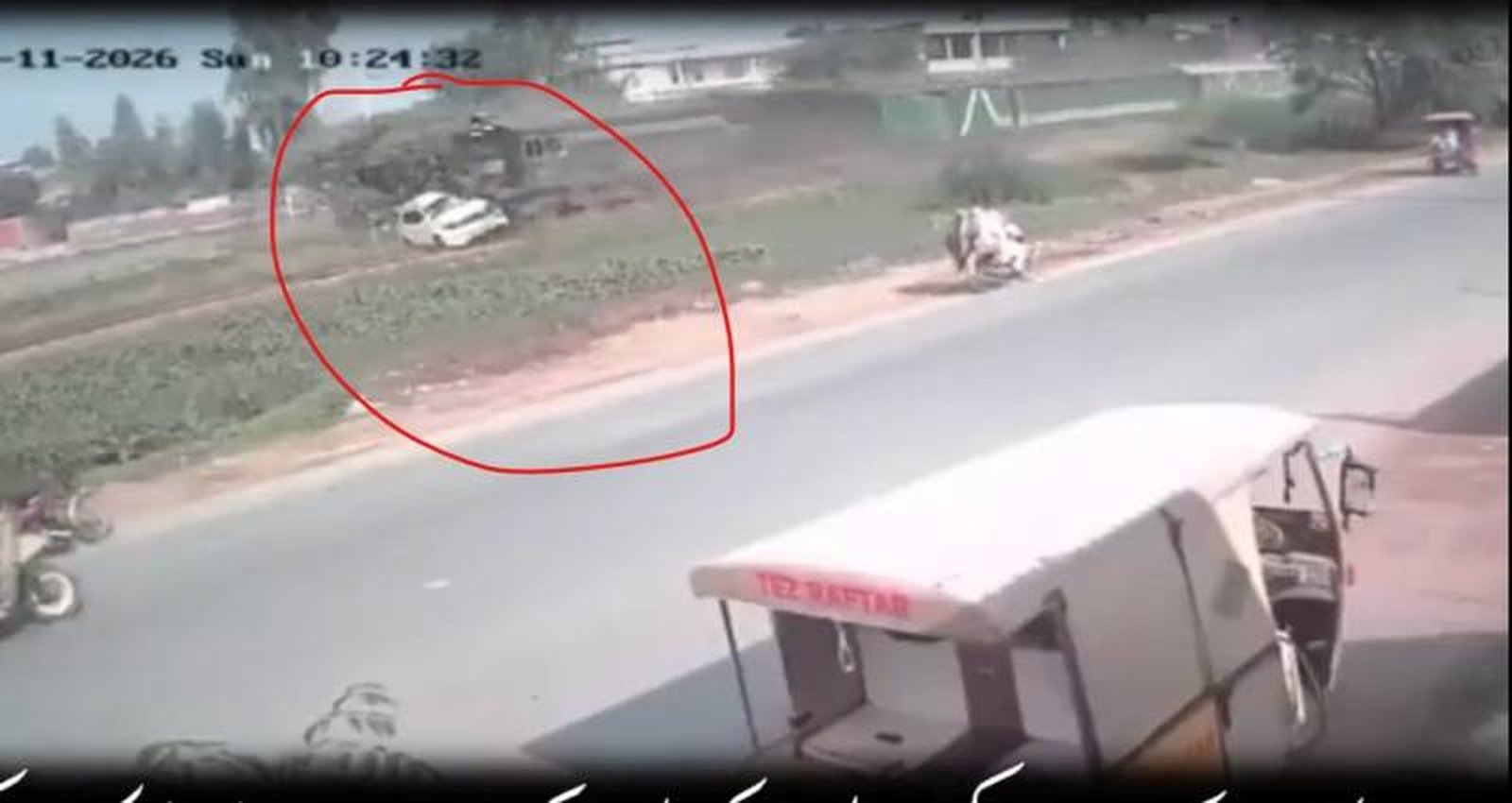
    A man was killed and his companion critically injured when a Pakistan Express train crushed their SUV at an unmanned railway crossing near the Ali Nagar area of Wazirabad on Monday morning, 24NewsHD reported.

    Rescue officials said the train was passing through the area when the SUV attempted to cross the unmanned railway crossing. The speeding train dragged the vehicle with it for a long distance before it came to a stop.

    Muhammad Fareed, 54, died on the spot as a result of the collision, while his companion, Shabbir Hussain, 50, was critically injured. CCTV footage of the incident showed the car being flattened by the train engine.

    The injured man was shifted to Wazirabad Civil Hospital by a local resident in his car, while rescuers pulled Fareed’s body out of the crushed vehicle. The vehicle was later removed from the track, after which the train resumed its journey.

    Unmanned level crossings remain a serious hazard on Pakistan’s railway network, where trains regularly pass through crossings without gates or staff, and accidents involving road vehicles are reported frequently. Rescue officials and police often urge drivers to stop and check for approaching trains before crossing unmanned tracks, particularly in the early morning when visibility is poor.

    Similar crashes have been reported at unmanned crossings elsewhere in Punjab. In a crash reported last year in Sargodha, two police constables were killed when their vehicle was hit by the Millat Express at an unmanned railway crossing, while other officers travelling with them were injured. In February this year, five people, including a four-year-old child, were critically injured near Toba Tek Singh when the Ravi Express hit their broken-down car at an unmanned level crossing, according to Dawn.

    Police and railway officials have begun looking into the circumstances of the Wazirabad collision, including whether the crossing had any warning signs and how the vehicle came onto the track while the train was approaching. Officials say drivers should treat every unmanned crossing as dangerous and wait until they are certain no train is coming before driving across the tracks.

  • وزیرآباد میں ٹرین کی ایس یو وی کو ٹکر، ایک شخص جاں بحق، دوسرا شدید زخمی

    وزیرآباد میں ٹرین کی ایس یو وی کو ٹکر، ایک شخص جاں بحق، دوسرا شدید زخمی

    وزیرآباد کے علاقے علی نگر کے قریب بغیر پھاٹک ریلوے کراسنگ پر پاکستان ایکسپریس ٹرین کی ایس یو وی کو ٹکر سے ایک شخص جاں بحق اور اس کا ساتھی شدید زخمی ہوگیا، 24 نیوز نے پیر کی صبح رپورٹ کیا۔

    ریسکیو حکام نے بتایا کہ ٹرین علاقے سے گزر رہی تھی جب ایس یو وی نے بغیر پھاٹک ریلوے کراسنگ عبور کرنے کی کوشش کی۔ تیز رفتار ٹرین گاڑی کو اپنے ساتھ کافی دور تک گھسیٹتی لے گئی یہاں تک کہ وہ رک گئی۔

    تصادم کے نتیجے میں 54 سالہ محمد فرید موقع پر ہی جاں بحق ہوگیا جبکہ اس کا ساتھی 50 سالہ شبیر حسین شدید زخمی ہوا۔ واقعے کی سی سی ٹی وی فوٹیج میں دیکھا جاسکتا ہے کہ ٹرین کے انجن نے گاڑی کو مکمل طور پر کچل دیا۔

    زخمی شخص کو ایک مقامی شہری نے اپنی گاڑی میں وزیرآباد سول اسپتال منتقل کیا جبکہ ریسکیو اہلکاروں نے فرید کی لاش کچلی ہوئی گاڑی سے نکالی۔ گاڑی کو پٹری سے ہٹانے کے بعد ٹرین نے اپنا سفر دوبارہ شروع کیا۔

    پاکستان کے ریلوے نیٹ ورک پر بغیر پھاٹک لیول کراسنگ ایک سنگین خطرہ بنی ہوئی ہیں، جہاں ٹرینیں بغیر گیٹ یا عملے کے کراسنگ سے گزرتی ہیں اور سڑک پر چلنے والی گاڑیوں کے حادثات اکثر رپورٹ ہوتے ہیں۔ ریسکیو حکام اور پولیس اکثر ڈرائیوروں سے اپیل کرتے ہیں کہ بغیر پھاٹک کراسنگ عبور کرنے سے پہلے رک کر آنے والی ٹرین کو دیکھیں، خاص طور پر صبح کے وقت جب دکھائی کم ہوتی ہے۔

    پنجاب میں دیگر مقامات پر بغیر پھاٹک کراسنگ پر اسی طرح کے حادثات رپورٹ ہوچکے ہیں۔ گزشتہ سال سرگودھا میں ایک حادثے میں دو پولیس اہلکار جاں بحق ہوگئے تھے جب ان کی گاڑی کو ملت ایکسپریس نے بغیر پھاٹک کراسنگ پر ٹکر ماردی تھی، جبکہ ان کے ساتھ سفر کرنے والے دیگر اہلکار زخمی ہوئے تھے۔ اس سال فروری میں ٹوبہ ٹیک سنگھ کے قریب ایک حادثے میں پانچ افراد، جن میں ایک چار سالہ بچہ بھی شامل تھا، شدید زخمی ہوگئے تھے جب راوی ایکسپریس ان کی خراب کھڑی گاڑی سے بغیر پھاٹک کراسنگ پر ٹکرا گئی تھی، ڈان کے مطابق۔

    پولیس اور ریلوے حکام نے وزیرآباد حادثے کے حالات کی جانچ شروع کردی ہے، جس میں یہ بھی دیکھا جارہا ہے کہ آیا کراسنگ پر کوئی انتباہی نشان موجود تھا اور گاڑی ٹرین کے آنے کے دوران پٹری پر کیسے آگئی۔ حکام کا کہنا ہے کہ ڈرائیوروں کو ہر بغیر پھاٹک کراسنگ کو خطرناک سمجھنا چاہیے اور پٹری عبور کرنے سے پہلے یقین کرلینا چاہیے کہ کوئی ٹرین نہیں آرہی۔