Category: Pakistan

Pakistan news — national headlines, politics and current affairs. پاکستان کی قومی خبریں۔

  • پنجاب: 19 سینئر پولیس افسران جون 2027 تک ریٹائر

    پنجاب: 19 سینئر پولیس افسران جون 2027 تک ریٹائر

    پنجاب میں تعینات 19 سینئر پولیس افسران جنوری سے جون 2027 کے دوران ریٹائر ہونے جا رہے ہیں۔ یہ افسران صوبے کے چار بڑے شہروں میں خدمات انجام دے رہے ہیں، اور ان کی ریٹائرمنٹ سے محکمہ پولیس میں کئی اہم عہدے خالی ہوں گے۔

    رپورٹ کے مطابق ریٹائر ہونے والے افسران میں لاہور کے 10، گوجرانوالہ کے 4، راولپنڈی کے 3 اور فیصل آباد کے 2 افسران شامل ہیں۔ یہ تقسیم ظاہر کرتی ہے کہ سب سے زیادہ اثر لاہور پر پڑے گا، جہاں سب سے زیادہ سینئر افسران ریٹائر ہو رہے ہیں، جبکہ باقی تین شہروں میں بھی نمایاں تبدیلیاں متوقع ہیں۔

    سینئر افسران کی ریٹائرمنٹ کسی بھی محکمے کے لیے ایک معمول مگر اہم مرحلہ ہوتی ہے۔ برسوں کے تجربے کے حامل افسران جب رخصت ہوتے ہیں تو ان کے ساتھ انتظامی تجربہ، مقامی حالات کی سمجھ اور ٹیموں کی قیادت کا ایک طویل سلسلہ بھی رخصت ہوتا ہے۔ اسی لیے محکمے عام طور پر ریٹائرمنٹ سے پہلے ہی جانشینی کی منصوبہ بندی کرتے ہیں تاکہ کام میں خلل نہ آئے۔

    لاہور کے حوالے سے یہ معاملہ خاص اہمیت رکھتا ہے، کیونکہ صوبائی دارالحکومت میں پولیس کی ذمہ داریاں سب سے زیادہ متنوع اور دباؤ والی سمجھی جاتی ہیں۔ دس سینئر افسران کی بیک وقت ریٹائرمنٹ کا مطلب یہ ہے کہ وہاں قیادت کی سطح پر کئی تبدیلیاں ایک ساتھ ہوں گی، اور نئے افسران کو جلد حالات سے ہم آہنگ ہونا ہو گا۔

    گوجرانوالہ، راولپنڈی اور فیصل آباد میں بھی صورتحال کم اہم نہیں۔ یہ تینوں شہر پنجاب کے بڑے صنعتی اور تجارتی مراکز میں شمار ہوتے ہیں، جہاں امن و امان، ٹریفک اور شہری مسائل کے حوالے سے پولیس پر مسلسل دباؤ رہتا ہے۔ ان شہروں میں سینئر افسران کی تبدیلی مقامی سطح پر انتظامی تسلسل کے لیے ایک امتحان ہو گی۔

    ریٹائرمنٹ کا یہ سلسلہ جنوری سے جون 2027 تک پھیلا ہوا ہے، یعنی تبدیلیاں ایک ساتھ نہیں بلکہ مرحلہ وار ہوں گی۔ مرحلہ وار ریٹائرمنٹ کا ایک فائدہ یہ ہوتا ہے کہ محکمے کو ہر خالی عہدے پر نئی تعیناتی کے لیے وقت مل جاتا ہے، اور ایک ساتھ کئی عہدوں کے خالی ہونے سے پیدا ہونے والا خلا کم ہو جاتا ہے۔

    دوسری جانب، نئے افسران کے لیے یہ ایک موقع بھی ہے۔ سینئر عہدوں پر ترقی کے منتظر افسران کو ان ریٹائرمنٹس کے نتیجے میں آگے آنے کا موقع ملے گا، اور وہ اپنی صلاحیتوں کا مظاہرہ کر سکیں گے۔ محکمے کے اندر ترقی کا یہ سلسلہ نوجوان قیادت کو آگے لانے میں مدد دیتا ہے۔

    مجموعی طور پر، 19 سینئر افسران کی ریٹائرمنٹ پنجاب پولیس کے لیے تبدیلی کا ایک بڑا مرحلہ ہے۔ اصل امتحان یہ ہو گا کہ خالی ہونے والے عہدوں پر بروقت اور موزوں تعیناتیاں کی جائیں تاکہ شہریوں کو پولیس خدمات میں کوئی فرق محسوس نہ ہو اور محکمے کا روزمرہ کام معمول کے مطابق جاری رہے۔

  • Varda Naqvi elected Pakistan Broadcasters director

    Varda Naqvi elected Pakistan Broadcasters director

    Varda Naqvi of City 42 has been elected a director of the Pakistan Broadcasters Association at the body’s Annual General Body Meeting in Karachi on Monday. She was elected as one of three television representatives chosen for the association’s Board of Directors.

    The election, held at the annual meeting of broadcasters, also settled the association’s other leading offices. Shakeel Masud Hussain was named chairman, Mian Amer Mahmood was elected secretary general, Syed Ahmed Shah became vice chairman, and Sultana Siddiqui was chosen as senior vice chairperson.

    The Pakistan Broadcasters Association represents television broadcasters in the country, and its board elections are watched closely within the media industry. The association speaks for its member channels on matters affecting broadcasting, and its leadership plays a role in discussions with regulators, advertisers and other stakeholders in the media landscape.

    Naqvi’s election as a director places a City 42 representative on the board at a time when the television industry is navigating rapid change. News channels today compete not only with each other but with digital platforms, social media and streaming services, all of which have reshaped how audiences watch, and how advertising money moves.

    Television representatives on the board carry the concerns of news and entertainment channels into the association’s decision-making. Their role includes raising issues faced by channels in their daily operations, from the cost of running a newsroom to the challenges of keeping audiences engaged in a crowded media market.

    The annual general body meeting in Karachi brought together members from across the industry, and the election of a new board is a routine but significant moment in the association’s calendar. It sets the leadership that will guide the body over the coming term, and it signals which voices will carry weight in its internal debates.

    For City 42, a Lahore-based news channel, having its representative elected to the board is a mark of standing within the industry. It reflects the channel’s position among broadcasters and gives it a direct say in the association’s affairs.

    The other office-bearers elected alongside Naqvi bring their own experience to the board. A chairman, secretary general, vice chairman and senior vice chairperson together form the core leadership team, and their combined backgrounds will shape how the association approaches the issues ahead.

    As the new board takes up its responsibilities, broadcasters will be looking to it for leadership on the questions facing the industry: how to sustain quality journalism, how to adapt to changing audience habits, and how to represent the interests of television in a media environment that is changing faster than ever.

  • Amir Khan alleges Rs22.5m fraud in Islamabad deal

    Amir Khan alleges Rs22.5m fraud in Islamabad deal

    Boxer Amir Khan has alleged that he was cheated of Rs22.5 million in a failed business deal in Islamabad, accusing his business partner of taking the money illegally on the pretext of a business arrangement. The allegation was reported on Monday, and it centres on a deal that, according to Khan, did not go ahead as promised.

    Khan has named Khaliq Tanoli in his allegation, claiming that Tanoli took the money from him under the guise of a business deal. The claim, as reported, is that the funds were obtained illegally, and that the business venture at the heart of the arrangement failed to materialise.

    It is important to be clear about the nature of these claims: they are allegations made by Khan, and they have been reported as his account of events. They are not, on the basis of the report, findings by a court or conclusions of an investigation, and the other side’s version of events is not set out in the same report.

    Khan also made a separate clarification in connection with the matter, saying that he has no connection with Zuma Islamabad. That statement appears aimed at drawing a line between himself and a business name that has been mentioned around the dispute, making clear that he does not wish to be associated with it.

    Disputes of this kind, where a well-known figure puts money into a business venture that then fails, often attract wide attention, and they can be difficult to untangle. Business deals usually involve agreements, payments, timelines and expectations on both sides, and when a venture collapses, the question of who is owed what can quickly become contested.

    For public figures, the stakes can be higher than the money alone. A boxer of Khan’s profile brings attention to any venture he is linked with, and that attention can cut both ways: it can lend a project credibility at the start, and it can magnify the fallout if the project ends in dispute.

    The reported sum, Rs22.5 million, is substantial by any measure, and the allegation that it was taken illegally is a serious one. Allegations of this nature, if pursued, would normally be tested through legal or investigative channels, where documents, agreements and payment records can be examined and both sides can present their case.

    For now, what is publicly known is Khan’s allegation and his denial of any link with Zuma Islamabad. Readers should treat the claims as one side’s account until any further development — such as a response from the person named, or action by the authorities — is reported.

    The episode is also a reminder of the care needed when private money moves into business ventures. Written agreements, clear records of payments and independent advice are the usual safeguards, and their absence is often what turns a failed deal into a public dispute.

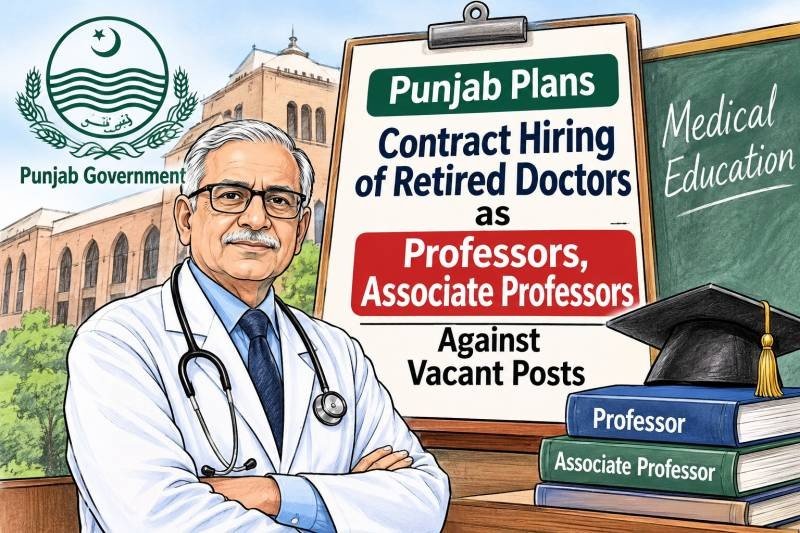
  • پنجاب: ریٹائرڈ ڈاکٹر پروفیسر بنیں گے، 5 نومبر آخری تاریخ

    پنجاب: ریٹائرڈ ڈاکٹر پروفیسر بنیں گے، 5 نومبر آخری تاریخ

    حکومت پنجاب میڈیکل اداروں میں اساتذہ کی شدید کمی کو پورا کرنے کے لیے ریٹائرڈ ڈاکٹروں اور نجی شعبے کے طبی ماہرین کو کنٹریکٹ کی بنیاد پر پروفیسر اور ایسوسی ایٹ پروفیسر مقرر کرنے کا منصوبہ بنا رہی ہے۔ اس مقصد کے لیے درخواستیں 5 نومبر تک طلب کی گئی ہیں، اور اہل امیدواروں کا انتخاب کھلے مسابقتی عمل کے ذریعے کیا جائے گا۔

    یہ منصوبہ محکمہ سپیشلائزڈ ہیلتھ کیئر اینڈ میڈیکل ایجوکیشن کی جانب سے سامنے آیا ہے، جس کے تحت صوبے کے مختلف میڈیکل اداروں میں خالی تدریسی آسامیوں کو پُر کیا جائے گا۔ ریٹائرڈ پروفیسرز اور ایسوسی ایٹ پروفیسرز کے ساتھ ساتھ نجی شعبے اور دیگر اداروں کے وہ امیدوار بھی درخواست دے سکتے ہیں جو متعلقہ آسامی کے لیے مطلوبہ تعلیمی قابلیت، تجربہ اور تحقیقی شرائط پوری کرتے ہوں۔

    ملازمت کی زیادہ سے زیادہ عمر 65 سال مقرر کی گئی ہے۔ کنٹریکٹ کی مدت تین سال، یا 65 سال کی عمر تک، یا اس وقت تک ہوگی جب تک ترقی یا پنجاب پبلک سروس کمیشن کے ذریعے کوئی مستقل امیدوار تعینات نہیں ہو جاتا، جو بھی پہلے ہو۔ یہ شرط واضح کرتی ہے کہ یہ تقرریاں عارضی نوعیت کی ہیں اور مستقل بھرتیوں کا متبادل نہیں۔

    یہ اقدام 12 ایسے شعبوں پر مرکوز ہے جہاں اساتذہ کی کمی سب سے زیادہ ہے۔ ان میں کارڈیالوجی، کارڈیک سرجری، اینستھیزیا، پلمونولوجی، آنکولوجی، ریڈیالوجی، بائیو کیمسٹری، فرانزک میڈیسن، سائیکاٹری، پیڈیاٹرک سرجری، پیڈیاٹرک کارڈیک سرجری اور پیڈیاٹرک کارڈیالوجی شامل ہیں۔ ان شعبوں میں کئی آسامیاں مہینوں سے خالی ہیں، جس کی وجہ سے جونیئر ڈاکٹروں کو سینئر اساتذہ کی مناسب نگرانی کے بغیر کام کرنا پڑ رہا ہے۔

    سینئر ڈاکٹروں کا خیال ہے کہ تجربہ کار اساتذہ کی آمد سے جونیئر ڈاکٹروں کو فائدہ ہوگا، کیونکہ انہیں تربیت اور رہنمائی میسر آئے گی۔ طبی تعلیم میں سینئر فیکلٹی کی موجودگی طلبہ کی تربیت اور مریضوں کی دیکھ بھال دونوں کے لیے اہم سمجھی جاتی ہے، اور خالی آسامیاں اس پورے نظام کو متاثر کرتی ہیں۔

    دوسری جانب بعض ذرائع نے اس منصوبے پر تحفظات کا اظہار بھی کیا ہے۔ ان کا کہنا ہے کہ کنٹریکٹ پر تقرریاں طبی تعلیم کے مستقل ڈھانچے کو کمزور کر سکتی ہیں اور سرکاری اداروں میں پہلے سے کام کرنے والے ڈاکٹروں کی ترقی کے امکانات متاثر ہو سکتے ہیں۔ یہ خدشہ بھی ظاہر کیا گیا ہے کہ اس سے انتظامی کنٹرول بڑھے گا اور سینئر تعلیمی تقرریاں حکام کی ترجیحات پر منحصر ہو جائیں گی۔

    حکومت کی جانب سے ان تحفظات پر ابھی تک عوامی طور پر کوئی وضاحت سامنے نہیں آئی۔ تاہم اشتہار کے مطابق انتخاب میرٹ پر مبنی کھلے عمل سے ہوگا، جس سے یہ امید کی جا رہی ہے کہ اہل اور تجربہ کار امیدواروں کو موقع ملے گا۔

    پنجاب کے 36 سرکاری میڈیکل کالجوں اور ان سے منسلک تدریسی اسپتالوں میں اساتذہ کی کمی ایک پرانا مسئلہ ہے۔ اگر یہ منصوبہ شفاف طریقے سے مکمل ہوتا ہے تو یہ عارضی طور پر خالی آسامیوں کو پُر کرنے میں مددگار ثابت ہو سکتا ہے، لیکن مستقل حل کے لیے باقاعدہ بھرتیوں کا عمل ہی اصل بنیاد رہے گا۔ امیدواروں کے لیے 5 نومبر کی آخری تاریخ قریب ہے، اس لیے دلچسپی رکھنے والے ڈاکٹروں کو جلد درخواست دینا ہوگی۔

  • BISP audit flags Rs25bn paid on 600,000 CNIC cases

    BISP audit flags Rs25bn paid on 600,000 CNIC cases

    A government audit of the Benazir Income Support Programme (BISP) for the financial year 2024-25 has flagged payments of more than Rs25 billion linked to over 600,000 beneficiary cases in which identity records were compromised or missing. The audit reports, which have now been made public, point to serious weaknesses in how beneficiaries were profiled and verified.

    According to reporting on the audit, the total financial exposure came to more than Rs25 billion across 601,850 compromised cases. The largest single problem was missing identity data: 596,252 beneficiaries were recorded without any spouse Computerised National Identity Card (CNIC), yet payments totalling Rs25.46 billion were still made in those cases.

    The audit also found cases in which one identity document was linked to several people. In 5,558 cases, a single spouse CNIC was linked to as many as seven different female beneficiaries, involving payments of Rs239 million. Such linked registrations raise obvious questions about duplicate or incorrect enrolment, and auditors called for independent checks on spouse relationships.

    Payments to people who should not have qualified were another major finding. Under the Unconditional Cash Transfer programme, Rs515.7 million was paid to 12,078 government employees, pensioners or their spouses during 2024-25, despite a 2019 federal cabinet decision barring civil servants and their families from receiving BISP assistance.

    Other irregularities were reported across different parts of the programme. The audit reported irregularities of Rs530 million in cases handled under the Proxy Means Test, and noted that Rs970 million due under Conditional Cash Transfers had not been recovered. It found that 7,020 women received Rs100 million through incorrect identification, in breach of programme rules. Separately, Rs130 million was paid as scholarships into benami accounts linked to five major universities, which the audit described as illegal payments, while irregularities of Rs1.79 billion were reported in Poverty Graduation funds.

    The Departmental Accounts Committee has directed that ineligible beneficiaries be blocked immediately and that recovery operations begin. BISP has also been directed to sign a formal agreement with Pakistan Bait-ul-Mal for system-to-system data sharing to prevent duplicate payments, and to seek data clarifications from the National Database and Registration Authority (Nadra).

    The findings matter because BISP is Pakistan’s flagship cash support programme for low-income households, and weak verification means money can miss the families it is meant to reach. The audit does not by itself establish criminal guilt against any individual; its observations point to system and control failures that the programme has now been told to fix. Whether the blocked cases, recoveries and new verification checks follow through will be the real test of this audit.

  • Suthra Punjab: Self-operation in 5 cities, 15-day task for 100% better cleanliness

    Suthra Punjab: Self-operation in 5 cities, 15-day task for 100% better cleanliness

    LAHORE — Punjab Chief Minister Maryam Nawaz has set a 15-day task for achieving 100 per cent improvement in cleanliness across the province. Chairing a special meeting to review the performance of Suthra Punjab, she considered ending solid waste companies over unsatisfactory cleanliness, and decided on self-operation in Lahore, Faisalabad, Gujranwala, Multan and Dera Ghazi Khan.

    At the meeting, the chief minister expressed concern over dust visible on roads across the province and ordered the daily washing of main roads. She directed that fines be imposed on littering roads after cleaning, and ordered measures for fines on littering in markets, bazaars, and vegetable, fruit and grain markets.

    The meeting set a target of completing human resources and machinery in every district. The chief minister directed that village cleanliness be ensured every alternate day, and ordered deputy commissioners and assistant commissioners to meet field monitoring officers weekly. She also directed that KPIs be set to assess the field monitoring officers’ performance.

    The chief minister further ordered that timely payment of workers’ salaries be ensured in every city and area, and sought from every deputy commissioner the final record of machinery demanded for cleanliness and the savings made through self-operation.

    The meeting also considered imposing fines on owners where garbage is found on vacant plots. Deputy commissioners of Multan, Rajanpur, Dera Ghazi Khan, Hafizabad, Muzaffargarh and other districts presented reports at the meeting. The chief minister directed deputy commissioners to physically verify machinery and equipment in their respective districts and called a follow-up meeting of Suthra Punjab after one week.

  • ستھرا پنجاب: 5 شہروں میں سیلف آپریشن، صفائی میں 100 فیصد بہتری کے لیے 15 دن کا ٹاسک

    ستھرا پنجاب: 5 شہروں میں سیلف آپریشن، صفائی میں 100 فیصد بہتری کے لیے 15 دن کا ٹاسک

    لاہور — وزیراعلیٰ پنجاب مریم نواز نے صوبے میں صفائی کی صورتحال میں 100 فیصد بہتری لانے کے لیے 15 دن کا ٹاسک دے دیا ہے۔ وزیراعلیٰ کی زیر صدارت خصوصی اجلاس میں ستھرا پنجاب کی کارکردگی کا جائزہ لیا گیا، جس میں غیر تسلی بخش صفائی پر سالڈ ویسٹ کمپنیاں ختم کرنے پر غور کیا گیا اور لاہور، فیصل آباد، گوجرانوالہ، ملتان اور ڈیرہ غازی خان میں سیلف آپریشن کا فیصلہ کیا گیا۔

    اجلاس میں وزیراعلیٰ نے صوبہ بھر میں سڑکوں پر گرد و غبار نظر آنے پر تشویش کا اظہار کیا اور مرکزی سڑکوں کی روزانہ دھلائی کا حکم دیا۔ انہوں نے صفائی کے بعد سڑکوں پر کوڑا کرکٹ پھینکنے پر جرمانہ عائد کرنے کی ہدایت کی، اور مارکیٹوں، بازاروں، سبزی، فروٹ اور غلہ منڈی میں کوڑا پھینکنے پر جرمانہ عائد کرنے کے لیے اقدامات کا حکم دیا۔

    اجلاس میں ہر ڈسٹرکٹ میں ہیومن ریسورس اور مشینری پوری کرنے کا ٹارگٹ مقرر کیا گیا۔ وزیراعلیٰ نے ہر متبادل دن گاؤں کی صفائی یقینی بنانے کی ہدایت کی، اور ڈپٹی کمشنرز اور اسسٹنٹ کمشنرز کو فیلڈ مانیٹرنگ افسروں سے ہفتہ وار ملاقات کا حکم دیا۔ فیلڈ مانیٹرنگ افسروں کی کارکردگی جانچنے کے لیے “کے پی آئی” مقرر کرنے کی ہدایت بھی کی گئی۔

    وزیراعلیٰ نے ہر شہر اور ہر علاقے میں ورکرز کی تنخواہوں کی بروقت ادائیگی یقینی بنانے کا بھی حکم دیا، اور ہر ڈپٹی کمشنر سے صفائی کے لیے درکار مشینری کی ڈیمانڈ اور سیلف آپریشن کے ذریعے ہونے والی بچت کا حتمی ریکارڈ بھی طلب کر لیا۔

    اجلاس میں خالی پلاٹ پر کوڑا کرکٹ نظر آنے پر مالکان کو جرمانہ عائد کرنے پر غور کیا گیا۔ ملتان، راجن پور، ڈیرہ غازی خان، حافظ آباد، مظفر گڑھ اور دیگر اضلاع کے ڈپٹی کمشنرز نے اجلاس میں رپورٹ پیش کی۔ وزیراعلیٰ نے ڈپٹی کمشنرز کو متعلقہ اضلاع میں مشینری اور آلات کی فزیکل تصدیق کی ہدایت کی اور ایک ہفتے کے بعد ستھرا پنجاب کی فالو اپ میٹنگ طلب کر لی۔

  • Islamabad local polls on 20 December: CEC calls key security meeting on 10 November

    Islamabad local polls on 20 December: CEC calls key security meeting on 10 November

    ISLAMABAD — With preparations for the federal capital’s local government elections complete, Chief Election Commissioner Sikandar Sultan Raja has called an important meeting on 10 November. The interior secretary, the chief commissioner and the Islamabad police chief will brief him on the security plan at the meeting.

    According to Hum News, the chief election commissioner was briefed that all preparations for the local elections are complete, including the purchase of all election material. Arrangements for printing ballot papers are also complete, and letters have been sent to the Islamabad police chief and the deputy commissioner regarding the necessary arrangements.

    The Election Commission issued the schedule for Islamabad’s local elections on 20 October, under which polling in the federal capital will be held on 20 December.

    It is worth recalling that the last local government elections in the federal capital were held in 2015, and the elected local government’s term ended on 14 February 2021. Under the law, fresh elections were required within 120 days of the term’s end, but repeated changes in the law and administrative problems have left the electoral process stalled for five years.

  • اسلام آباد بلدیاتی انتخابات: 20 دسمبر کو پولنگ، 10 نومبر کو سکیورٹی پلان پر اہم اجلاس

    اسلام آباد بلدیاتی انتخابات: 20 دسمبر کو پولنگ، 10 نومبر کو سکیورٹی پلان پر اہم اجلاس

    اسلام آباد — وفاقی دارالحکومت میں بلدیاتی انتخابات کی تیاریاں مکمل ہونے کے بعد چیف الیکشن کمشنر سکندر سلطان راجا نے 10 نومبر کو ایک اہم اجلاس طلب کر لیا ہے۔ اس اجلاس میں سیکرٹری داخلہ، چیف کمشنر اور آئی جی اسلام آباد انہیں سکیورٹی پلان پر بریفنگ دیں گے۔

    ہم نیوز کی رپورٹ کے مطابق چیف الیکشن کمشنر کو بریفنگ میں بتایا گیا کہ بلدیاتی انتخابات کے لیے تمام انتخابی میٹریل کی خریداری سمیت تمام تیاریاں مکمل کر لی گئی ہیں۔ بیلٹ پیپرز کی پرنٹنگ کے تمام انتظامات بھی مکمل ہیں، جبکہ آئی جی اور ڈپٹی کمشنر اسلام آباد کو ضروری انتظامات کے حوالے سے خطوط ارسال کیے جا چکے ہیں۔

    الیکشن کمیشن نے 20 اکتوبر کو اسلام آباد میں بلدیاتی الیکشن کا شیڈول جاری کیا تھا، جس کے مطابق وفاقی دارالحکومت میں 20 دسمبر کو پولنگ ہوگی۔

    یاد رہے کہ وفاقی دارالحکومت میں آخری بلدیاتی انتخابات 2015 میں ہوئے تھے، جن کے نتیجے میں بننے والی منتخب بلدیاتی حکومت کی مدت 14 فروری 2021 کو ختم ہو گئی تھی۔ قانون کے تحت مدت ختم ہونے کے بعد 120 دن کے اندر نئے انتخابات کرانا ضروری تھے، لیکن قانون میں بار بار تبدیلیوں اور انتظامی مسائل کے باعث انتخابی عمل 5 سال سے تعطل کا شکار ہے۔

  • Lahore Chokes at AQI 780 — World’s Most Polluted City

    Lahore Chokes at AQI 780 — World’s Most Polluted City

    Lahore is once again struggling to breathe. The city has been reported as the most polluted city in the world, with its overall air quality index reaching 780, a level far beyond what health experts consider safe. For residents, the numbers match what they can see and feel: a thick grey haze over the streets, a smell of smoke in the air, and eyes and throats irritated by every trip outside.

    Some neighbourhoods recorded even worse readings. According to reports, Allama Iqbal Town recorded an index of 914, while several other areas, including Walton, Gulberg, Mughalpura, Ravi Road, Canal Road, DHA and Model Town, were reported at around 700 or higher. At such levels, the air is not merely unpleasant; it is classed as hazardous, and even healthy adults are advised to limit time outdoors.

    Hospitals feel the pressure

    The health impact is already visible in the city’s hospitals. Reports say Mayo Hospital alone received more than 11,000 patients with breathing and eye problems within 24 hours, while Services Hospital also reported a large number of similar cases. Doctors commonly see a rise in asthma attacks, chest infections, sore eyes and skin irritation during severe smog episodes, with children, older people and those with existing lung conditions most at risk.

    For many families, the smog season has become a yearly ordeal. Parents worry about sending children to school in the morning haze, outdoor workers spend long hours in polluted air, and people with asthma keep inhalers close at hand. The poorest residents, who cannot afford air purifiers or masks of good quality, often bear the heaviest burden.

    What officials are doing

    According to coverage of the official response, anti-smog squads have inspected locations across the city and taken action against vehicles and industrial units found to be breaking rules. Restrictions on outdoor activity for children and older people have also been mentioned, as authorities try to reduce exposure during the worst hours.

    Smog in Lahore is driven by a mix of factors that build up in the cooler months. Vehicle exhaust, industrial emissions, dust from construction, crop residue burning in surrounding areas and calm winter air that traps pollutants close to the ground all contribute. When winds are weak, the pollution has nowhere to go, and readings climb day after day.

    Experts have long argued that short-term steps, such as closing schools on the worst days or fining polluters, can only do so much. Longer-term solutions would need cleaner transport, stricter control of industrial emissions, better waste management and regional cooperation, since much of the smoke drifts across district and provincial boundaries.

    Until the air clears, health advice remains simple but important: stay indoors when readings are at their worst, wear a proper mask if going outside is unavoidable, keep windows closed during peak haze, and seek medical help early if breathing becomes difficult. For a city of millions, the hope is that this season’s alarming readings will push faster action, so that residents do not face the same choking air year after year.