Category: International

International news in Urdu — world affairs and global updates. بین الاقوامی خبریں۔

  • Iraq Reopens Key Iran Border Crossing After 3-Week Closure

    Iraq Reopens Key Iran Border Crossing After 3-Week Closure

    Iraq reopened the Sheeb border crossing with Iran on Tuesday morning after a closure of nearly three weeks, restoring a key route for travellers and trade between the two countries, while announcing that another crossing will shut temporarily later in the week.

    The Sheeb crossing, in the eastern province of Maysan, resumed operations at 8am local time after Iraq’s Border Ports Authority said the technical requirements and procedures needed to restart it had been completed. The crossing faces Iran’s Chazabeh crossing in Khuzestan province and is one of the main routes for passengers and goods moving between the two neighbours.

    The government had shut Sheeb on 21 October to review security arrangements and install detection equipment aimed at stopping smuggling. The closure had disrupted travel for traders and for pilgrims, as Sheeb is the only land crossing approved for Pakistani pilgrims travelling by road to Iraq through Iran.

    Mandali crossing to close from Friday

    At the same time, the border authority announced that the Mandali crossing in Diyala province will close temporarily from 8am on Friday, 13 November, for maintenance and preparatory work ahead of the rainy season. Officials did not say when Mandali would reopen, saying only that a date would be announced once the work is finished.

    The head of the Border Ports Authority, Omar al-Waeli, said in a statement carried by the state news agency INA that the aim was to keep travellers and goods moving smoothly. He said the technical work at Sheeb had been completed and the crossing was ready to operate normally again.

    The reopening comes days after Iraq’s Foreign Minister Fuad Hussein said the United States Treasury had asked Baghdad to close all of its border crossings with Iran except for two, as part of Washington’s efforts to increase economic pressure on Tehran. It was not immediately clear whether the decision to reopen Sheeb or to close Mandali temporarily was connected to that request, according to reports of the announcement.

    For travellers, the reopening is welcome news after three weeks in which the busy crossing stood closed. Pilgrims and traders who had been forced to find other routes, including flights to Baghdad and Najaf, can once again cross by land at Sheeb, while officials say the temporary closure at Mandali is a planned maintenance step rather than a security measure.

  • Bangladesh Says No Passport for Hasina, Demands Extradition

    Bangladesh Says No Passport for Hasina, Demands Extradition

    Bangladesh has rejected a request from ousted prime minister Sheikh Hasina for a new passport, insisting that she must instead be handed over by India to face justice at home.

    Hasina, who has lived in self-imposed exile in India since a student-led uprising ended her long rule in August 2024, asked for a new passport and national identity card through her lawyers, the London-based firm Matrix Chambers. The letter, addressed to Preeti Rahman, Bangladesh’s acting high commissioner in New Delhi, was seen by Reuters.

    The request is the clearest step yet by Hasina to act on her stated plan to return to Bangladesh in December and surrender before a court. Her aides have said a date would be announced once formalities were completed, but no travel date has been fixed and no documents have been issued.

    The interim government in Dhaka swiftly turned the request down. State Minister for Foreign Affairs Humayun Kobir told reporters that Bangladesh does not issue a passport to a “terrorist”, describing Hasina as a fugitive criminal. “We have an active extradition treaty with India. We want her handed over,” he said.

    Bangladesh’s International Crimes Tribunal sentenced Hasina to death in her absence in November 2025, holding her responsible for ordering a crackdown on the 2024 protests in which many people were killed. Her party, the Awami League, is now banned, and her existing passport and identity card were revoked by the interim government after her fall.

    Law Minister Md Asaduzzaman said the government would take all necessary legal steps to bring her back under the extradition treaty. India’s foreign ministry has not said it will hand her over; in April it said it was examining Bangladesh’s request.

    The standoff has added fresh strain to relations between Dhaka and New Delhi, with the dispute over Hasina’s return now one of the most sensitive issues between the two neighbours. For now, the two sides remain far apart: Hasina is seeking travel documents to come home on her own terms, while Dhaka wants her returned through extradition to face the courts.

  • Gaza Rains Flood Thousands of Tents, PM Urges Relief

    Gaza Rains Flood Thousands of Tents, PM Urges Relief

    Prime Minister Shehbaz Sharif has called for an urgent increase in humanitarian assistance for Gaza after heavy rainfall flooded thousands of makeshift shelters, leaving displaced families exposed to cold and hunger.

    According to the details shared by the prime minister, around 70,000 tents were damaged in the rain, affecting around 350,000 displaced Palestinians who have been sheltering in temporary structures. He described rain-soaked tents, displaced children without shelter, and families struggling with extreme cold and hunger as deeply distressing.

    The prime minister strongly condemned Israel’s continued aggression, repeated ceasefire violations and breaches of international law, saying Palestinians were being deprived of essential humanitarian assistance. He directed the Ministry of Foreign Affairs to use all possible channels to ensure an immediate increase in relief supplies for the people of Gaza.

    The scale of the damage underlines how exposed displaced families are. Tents offer little protection against heavy rain, and when thousands of shelters are damaged at once, families are left without a dry place to sleep. For children and the elderly, the combination of cold, wet conditions and limited food makes the situation worse, and aid workers have repeatedly warned that temporary shelter cannot cope with winter weather.

    Hamas, meanwhile, attributed the worsening situation to Israel’s blockade, saying restrictions on the entry of aid had aggravated the crisis for displaced families. The group said families urgently need safe shelters instead of temporary tents, and accused Israel of obstructing the entry of emergency shelters, heating equipment and materials needed to repair damaged structures.

    According to Hamas, Gaza needs around 300,000 tents, and it urged mediators and guarantor countries to ensure the uninterrupted delivery of humanitarian assistance. The appeal comes as winter conditions add to the hardship of hundreds of thousands of people already displaced, with aid agencies warning that temporary shelters offer little protection against rain and cold.

    The prime minister’s call adds to the growing international concern over the humanitarian situation in Gaza, where displaced families continue to rely on tents and temporary shelter while access to relief supplies remains limited. The Foreign Ministry has now been asked to press every available channel so that more relief can reach the people who need it.

  • COP31: Turkish Villagers Demand Leaders See Coal Damage

    COP31: Turkish Villagers Demand Leaders See Coal Damage

    As leaders and delegates gather in Antalya, Turkey, for the COP31 UN Climate Change Conference, villagers from front-line communities have issued them a sharp challenge: skip the conference halls and come and see the destruction coal mining has caused to their homes.

    The call comes most forcefully from Akbelen, in the western province of Mugla, where residents have watched pine forests and ecosystems vanish as mines expand. Local leaders and activists, including villager Nejla Isik, who serves as an elected official, urged world leaders not to stay confined to Antalya but to visit areas like Akbelen to witness the damage firsthand.

    Residents describe living with coal dust “breathing down our necks” and watching the landscape they grew up in disappear. For years, they have protested against the expansion of coal mining; some have been fined and arrested for their resistance.

    Coal that powers just 2 percent of Turkey

    The mines in Akbelen provide coal for power plants that generate just over 2 percent of Turkey’s power. The coal mined there is lignite, the lowest grade of coal, which produces higher carbon dioxide emissions than other coal types — a heavy price for a small share of electricity.

    The story captures a paradox at the heart of Turkey’s energy policy. The country has committed to a net-zero emissions target by 2053 and has seen significant growth in renewable energy, yet it remains heavily reliant on fossil fuels. Last year, coal was Turkey’s largest electricity source, generating 34 percent of the country’s power and making Turkey Europe’s biggest coal-fired electricity generator, according to energy think tank Ember.

    The summit itself is being held against a backdrop of growing pressure on host countries to match climate pledges with action. Delegates in Antalya will negotiate emission cuts and finance for vulnerable nations, while outside the halls, communities like Akbelen say they are already living with the consequences of the choices governments make.

    For the villagers of Akbelen, the summit in Antalya is a chance to be heard — if the leaders will look beyond the official proceedings. Their message is simple: climate promises mean little while the mines keep growing at their doorstep.

  • She Slept 60 Days and Won Rs2.8 Million

    She Slept 60 Days and Won Rs2.8 Million

    For most people, sleeping is the one thing they never get paid to do. For Jeniya Chatterjee, it has just earned her more than Rs2.8 million. The Indian woman has been crowned the country’s sleep champion after winning a 60-day sleep competition organised by home products company Wakefit.

    More than 200,000 people from across India applied for the two-month contest, according to Indian media. After several selection rounds and interviews, only 10 contestants were shortlisted for the final stage, where every night’s rest was measured, scored and ranked.

    Participants were required to keep a regular sleep schedule and get enough rest each night, while also taking part in a series of entertaining weekly challenges. Their daily performance was assessed through a scoring system, with contestants ranked according to their results and the best performer each week named the Sleeper of the Week.

    The challenges were anything but restful. Contestants had to recreate famous movie scenes while pretending to sleep, review their sleep habits over a week, and casually slip the words blanket or pillow into conversation 10 times without anyone noticing.

    A night in a personalised sleep pod

    In the final round, the remaining contestants faced two major challenges, including spending a night in personalised sleeping environments. The winner was selected on the basis of sleep scores, and Chatterjee came out on top.

    Her prize was a cash award of 963,400 Indian rupees — more than Rs2.8 million in Pakistani currency — along with a travel voucher from the company. It was a fitting reward for two months of disciplined rest.

    The contest has also become a talking point about sleep itself. Doctors often say that regular, good-quality sleep is one of the simplest ways to protect health, yet millions of people struggle to get enough of it. A competition that rewards rest has turned that advice into entertainment — and, for one woman, into a life-changing prize.

    The competition was first launched in 2019. During its first four seasons, it received more than one million applications, while 65 participants had previously received cash prizes of 100,000 Indian rupees each. Chatterjee’s win takes the contest to a new level — proof, if any were needed, that a good night’s sleep can be worth a fortune.

  • Pakistan to Host Three Big Diplomatic Events Next Week

    Pakistan to Host Three Big Diplomatic Events Next Week

    Pakistan will host three major diplomatic events from next week, beginning on 9 November, in a busy stretch of international engagement for the country. Foreign Minister Ishaq Dar will chair the gatherings, which cover the United Nations, Palestine and regional economic cooperation on Afghanistan.

    On 10 November, Dar will chair a high-level event marking 60 years of the Pakistan-UN partnership. Pakistan is currently a member of the UN Security Council, and the event will mark six decades of the country’s partnership with the world body.

    Also on 10 November, Pakistan will host a meeting of 13 foreign ministers and heads of delegation from Muslim countries, chaired by Dar, to discuss the Palestine situation. The meeting will bring together senior representatives from across the Muslim world for talks on one of the region’s most pressing issues.

    On 12 and 13 November, Pakistan will host the 8th Ministerial Conference on the Regional Economic Cooperation Conference on Afghanistan, known as RECCA, in Islamabad. The conference, also chaired by Dar, will focus on regional economic cooperation linked to Afghanistan.

    During the RECCA conference, Dar will hold bilateral meetings with representatives from various countries, according to the Foreign Office spokesperson. The meetings will run alongside the main conference sessions in the capital.

    All three gatherings will be chaired by Foreign Minister Ishaq Dar, who will also use the RECCA conference to hold bilateral meetings with representatives from various countries. The programme was confirmed by the Foreign Office spokesperson, who set out the dates and the chair for each event and the bilateral meetings planned around them.

    The three events, taken together, set up a crowded diplomatic calendar for Pakistan next week. The UN partnership event and the Muslim foreign ministers’ meeting both fall on the same day, 10 November, while the RECCA conference follows two days later, giving the Foreign Office a full week of high-level hosting.

    The schedule places Pakistan at the centre of several strands of diplomacy at once: its long-standing partnership with the United Nations, joint discussions among Muslim countries on Palestine, and regional economic cooperation on Afghanistan. Each of the three gatherings will be chaired by the foreign minister, underlining the importance Islamabad attaches to the week.

  • Egypt Reopens Tripoli Embassy After 12 Years

    Egypt Reopens Tripoli Embassy After 12 Years

    Egypt has reopened its embassy in Libya’s capital Tripoli, twelve years after it was shut when unrest forced foreign missions to leave the country, in a step aimed at rebuilding ties between the two neighbours.

    Egyptian Foreign Minister Badr Abdelatty spoke at the reopening ceremony on Saturday, saying the move would strengthen relations between Egypt and Libya and help implement agreements between the two nations.

    The embassy was closed in 2014, when worsening security conditions in Libya forced many foreign missions to withdraw their staff from Tripoli. Its reopening marks a significant return of Egypt’s diplomatic presence to the Libyan capital.

    The reopening came weeks after a maritime deal between the government in Tripoli and Turkiye angered Cairo, adding a fresh strain to relations in the region. Egypt has long been concerned about developments in Libya, with which it shares a long border.

    High committee talks

    Abdelatty was in Tripoli on Saturday to co-chair a meeting of the Libya-Egypt high committee, which reviews cooperation between the two countries. During the visit, he discussed areas of cooperation with Libya’s interim prime minister, Abdul Hamid Dbeibeh, and foreign minister Taher al-Baour.

    The talks covered areas of cooperation between the two countries. Both sides have an interest in stability in Libya, which has been mired in conflict and political division since the 2011 uprising that toppled long-time ruler Muammar Gaddafi.

    Libya remains split between rival administrations, with the Tripoli-based Government of National Unity in the west and a rival administration in the east. Foreign powers, including Egypt and Turkiye, have backed different sides at different times, and the country has struggled to hold unified elections.

    Egypt has repeatedly said it wants a stable and united Libya, and has taken part in international efforts to support a political settlement. The reopening of the embassy is seen as a sign that Cairo believes the security situation in Tripoli has improved enough for a permanent diplomatic mission.

    The two sides are expected to follow up on the agreements discussed during the high committee meeting in the coming weeks. Thousands of Egyptians work in Libya, and the two countries have deep trade and labour ties. The return of the embassy is expected to make it easier for citizens of both countries to obtain visas and consular help.

  • آبنائے ہرمز میں دو ٹینکرز بارودی سرنگ سے ٹکرا گئے

    آبنائے ہرمز میں دو ٹینکرز بارودی سرنگ سے ٹکرا گئے

    تہران: ایران کی پاسداران انقلاب نے اتوار کو کہا ہے کہ آبنائے ہرمز میں دو آئل ٹینکرز بارودی سرنگوں سے ٹکرا کر آگ کی لپیٹ میں آ گئے۔ ایران کی سرکاری خبر رساں ایجنسی ارنا کے مطابق پاسداران انقلاب نے اپنے بیان میں کہا کہ دونوں ٹینکرز غیر مجاز راستے سے گزرنے کی کوشش کر رہے تھے، ایک ٹینکر آبنائے ہرمز کے مشرقی حصے میں جبکہ دوسرا آبنائے کے اندر تھا۔

    بیان میں کہا گیا کہ دونوں ٹینکرز نے متعدد خلاف ورزیاں کی تھیں، جن میں اپنے نیوی گیشن اور پوزیشننگ سسٹم بند کرنا بھی شامل ہے۔ پاسداران انقلاب کے مطابق دونوں جہاز اس وقت شدید آگ کی لپیٹ میں ہیں۔ تاہم ٹینکروں کے نام یا ان کی قومیت ظاہر نہیں کی گئی۔

    ارنا نے ہفتے کی رات الگ خبر میں بتایا کہ ملک کے مختلف حصوں میں دھماکوں جیسی آوازیں سنی گئیں۔ خبر رساں ایجنسی کے مطابق قشم، سیرک، جاسک اور بندر عباس میں دھماکوں جیسی آوازیں سنی گئیں اور ان کی وجہ تاحال معلوم نہیں ہو سکی۔ حکام نے جاسک کے بندرگاہی شہر میں ایک اثر کی تصدیق کی ہے۔

    فروری کے آخر میں ایران جنگ کے آغاز کے بعد سے تہران نے اس اہم آبی گزرگاہ سے گزرنے والی آمدورفت پر سخت پابندیاں عائد کر رکھی ہیں اور جہازوں سے اسلامی جمہوریہ کے منظور شدہ راستوں کے استعمال کا مطالبہ کیا ہے۔ امریکہ نے اس کے جواب میں ایرانی بندرگاہوں پر بحری ناکہ بندی عائد کر رکھی ہے اور ٹینکروں کو آبنائے سے گزرنے میں مدد فراہم کر رہا ہے۔ آبنائے ہرمز سے عام طور پر دنیا کے تیل کی کھپت کا تقریباً پانچواں حصہ گزرتا ہے۔

    امریکی سینٹرل کمانڈ نے گزشتہ ماہ کہا تھا کہ اس نے موسم گرما سے خلیجی ممالک کو آبنائے ہرمز کے ذریعے ڈیڑھ ارب بیرل تیل برآمد کرنے میں مدد کی ہے اور حال ہی میں کہا تھا کہ آبی گزرگاہ سے تمام بارودی سرنگیں صاف کر دی گئی ہیں۔ ہفتے کی شام امریکی فوج نے یہ بھی بتایا کہ اس نے خلیج عمان میں ناکہ بندی سے بچنے کی کوشش کرنے والے ایک تجارتی جہاز کو ناکارہ بنا دیا۔

    ایران نے اٹھائیس فروری کو آبنائے پر اپنی گرفت سخت کرتے ہوئے اسرائیل اور امریکہ سے تعلق رکھنے والے یا ان سے وابستہ جہازوں کے محفوظ گزرنے پر پابندی لگا دی تھی، جب دونوں ممالک نے ایرانی سرزمین پر مشترکہ حملے کیے تھے۔ پاسداران انقلاب نے خبردار کیا ہے کہ جو بھی جہاز ایرانی ضوابط کی خلاف ورزی کرتے ہوئے غیر مجاز علاقے میں داخل ہوگا، اسے بارودی سرنگوں کا سامنا کرنا پڑے گا۔

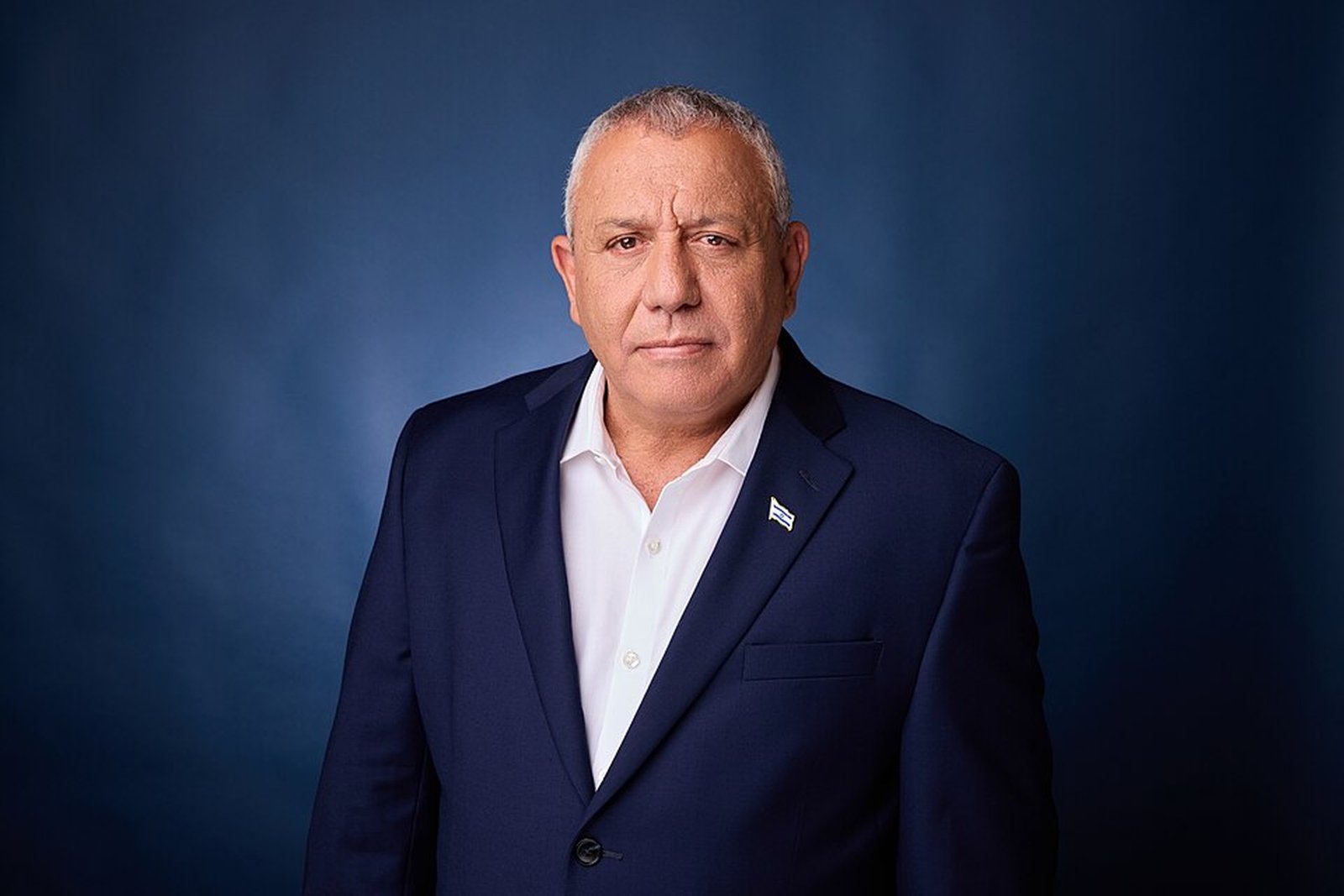
  • Eisenkot Tapped to Form Israel Government After 67 Back Him

    Eisenkot Tapped to Form Israel Government After 67 Back Him

    Israel’s president has handed opposition leader Gadi Eisenkot the first chance to form the country’s next government, in a decision that could end Benjamin Netanyahu’s long hold on power. President Isaac Herzog announced the move on Saturday evening, 7 November, after consultations with the leaders of the parties elected to parliament last month.

    According to the president’s office, 67 members of the 120-seat Knesset recommended Eisenkot for the task, compared with 46 who backed Netanyahu. Seven lawmakers from the ultra-Orthodox United Torah Judaism party declined to recommend either candidate. Eisenkot is due to receive the formal mandate at a ceremony at the President’s Residence in Jerusalem at 5 pm on Sunday, 8 November.

    The decision follows the general election of 27 October, which left neither side with a governing majority. Netanyahu’s right-wing and religious bloc won 53 seats, while the opposition alliance led by Eisenkot won 48. Arab-led parties won a record 19 seats. A government needs the support of at least 61 lawmakers to take office. Netanyahu’s Likud party won 27 seats, six more than Eisenkot’s Yashar party, but that was not enough to secure him the mandate.

    Eisenkot, a former chief of staff of the Israel Defense Forces who served as the country’s top military commander from 2015 to 2019, leads the centrist Yashar party, which he founded on an anti-corruption and government reform platform. He entered politics in 2022, emerging as Netanyahu’s principal challenger by bringing together political groups from the centre-left to the right, united mainly by opposition to the incumbent prime minister.

    A difficult path to 61 seats

    Eisenkot will now have 28 days to put together a coalition government, with a possible 14-day extension if he needs more time. If he succeeds, he would take over as prime minister from Netanyahu, Israel’s longest-serving premier. If he fails, Herzog can give another lawmaker a chance, and if those efforts also fail, Israel could face another election. Netanyahu would remain caretaker prime minister in the meantime.

    The recommendations do not guarantee Eisenkot a governing majority, and the coalition talks ahead will be difficult. His support came from 48 lawmakers in his Change Bloc, seven from the Arab party Ra’am and 12 from the Joint List. The Arab-led factions have indicated they are willing to support an alternative to Netanyahu from outside the government rather than joining the coalition, but their involvement remains politically sensitive. Netanyahu has ruled out working with Arab parties and has strongly opposed any government dependent on them.

    Eisenkot briefly served in Netanyahu’s emergency war cabinet after the Hamas attacks of 7 October 2023, but left the following year, accusing Netanyahu of failing to make progress towards ending the Gaza war and securing the release of hostages. He lost his son Gal, a reservist killed in Gaza, as well as two nephews during the war. He has since ruled out joining any administration led by Netanyahu.

    Disagreements over the Gaza war, national security and military conscription complicate the negotiations. Eisenkot’s options include forming a minority government with external support from Arab lawmakers, negotiating with ultra-Orthodox parties or attempting a broader national unity government. Each option presents serious challenges, and disputes over military service exemptions for ultra-Orthodox men could complicate talks. Netanyahu has not conceded defeat and continues to advocate a national unity government.

  • Iran Drops Its 2,000 km Missile Range Limit

    Iran Drops Its 2,000 km Missile Range Limit

    Iran’s Revolutionary Guard has said it has lifted a self-imposed limit of about 2,000 kilometres on the range of its ballistic missiles, raising the prospect of Tehran developing weapons able to reach more distant targets.

    Brigadier General Hossein Mohebbi, the Guard’s spokesman, told a press conference in Tehran on Saturday, held to mark Aerospace Week, that the restriction “has been lifted for us”, according to state-linked outlets including Tasnim and Mehr.

    The 2,000 km ceiling dated from 2017 and was intended to keep Iran’s missiles regional in reach. Its removal suggests Tehran may now seek longer-range capability, although no evidence was presented of operational missiles able to fly beyond the former limit.

    Mohebbi cautioned that Iran must demonstrate the expanded capability in practice rather than merely announce it. “Our duty is to show our capabilities on the battlefield,” he said.

    Wider military signals

    The remarks followed comments by the supreme leader ordering an immediate and effective response to any threat without geographical limits, alongside a broader update of military target lists covering US and Israeli assets.

    Mohebbi also said Iran would prepare for a shift in nuclear doctrine if ordered — a conditional statement, not a decision to change doctrine or to build a weapon.

    He further claimed advances in air defences and underground missile production after recent fighting, including the downing of enemy aircraft and drones. Those claims could not be independently verified.

    The announcement comes as talks between the United States and Iran remain stalled and fears of renewed strikes grow across the region, days after US strikes on Qeshm Island. Any move to field longer-range missiles would mark a significant escalation in the military standoff.

    The Guard’s statement is likely to draw close attention in Washington, Tel Aviv and European capitals, where officials have long treated the 2,000 km limit as an informal red line. For years, Tehran presented the ceiling as proof that its missile programme was defensive and regional. Removing it signals a different posture — even if, for now, the longer-range capability itself remains unproven.