Author: hammadkhaksar

  • ECP gives MQM-P 14 days over missed intra-party polls

    ECP gives MQM-P 14 days over missed intra-party polls

    The Election Commission of Pakistan has asked Muttahida Qaumi Movement-Pakistan to explain why it did not hold its intra-party elections by the extended deadline. According to Dunya News, the commission issued a show-cause notice to the party and gave it 14 days to respond.

    The notice relates to a deadline of October 15, 2026, by which the party was required to complete its internal elections. The commission said intra-party elections are mandatory under the Elections Act, 2017, and that a party must submit its election certificate within seven days of completing the process. Dunya News reports that the notice itself was issued on October 26, 2026.

    Intra-party elections are the internal polls through which a political party elects its own office-bearers. The law treats them as a condition for a party to keep its place in the electoral system, rather than as a private formality. That is why the commission follows up when a party misses the timetable, and why the certificate of the election matters: it is the record the commission relies on to confirm that the internal process took place.

    The notice warns of further legal action if MQM-P does not respond within the 14-day period. It also says that failure to comply could make the party ineligible to obtain an election symbol. For voters, the symbol is the most visible part of a party’s identity on the ballot paper, so any question over it would matter well beyond the party’s internal affairs.

    MQM-P is one of the major parties in urban Sindh, and its electoral standing has long depended on a clear organisational structure and a recognised symbol. A show-cause notice does not by itself decide the party’s fate. It is a formal step that gives the party a chance to explain its position before the commission takes any further action. The party will now have to set out, in its reply, why the elections were not held by the deadline and what steps it has taken since.

    The commission’s approach in such cases is normally procedural: it asks for an explanation, examines the reply, and then decides whether further action is needed. If the party can show that the elections have since been held, or that there is a valid reason for the delay, the matter may be settled without further steps. If it cannot, the commission has warned that it may move to the next stage under the law.

    For the wider political system, the case is a reminder that parties are expected to keep their internal democratic processes up to date. The Elections Act sets the rules for all registered parties, and the commission applies them across the board. The outcome of MQM-P’s reply will therefore be watched not only by its own supporters, but by other parties that face the same obligations.

    The next step is now with the party. Its reply, due within 14 days, will determine whether the matter closes or moves towards further legal action and a question over its election symbol.

  • ترسیلات زر سستی ہوں تو معیشت کو ایک ارب ڈالر مل سکتے ہیں

    ترسیلات زر سستی ہوں تو معیشت کو ایک ارب ڈالر مل سکتے ہیں

    وزیر مملکت اور پاکستان ورچوئل ایسٹس ریگولیٹری اتھارٹی کے چیئرمین بلال بن ثاقب نے کہا ہے کہ ترسیلات زر کی لاگت میں صرف 2 سے 3 فیصد کمی سے پاکستان کی معیشت میں ایک ارب ڈالر کا اضافہ ہو سکتا ہے۔ ان کے مطابق یہ رقم براہ راست عوام اور معیشت کو فائدہ پہنچائے گی۔

    بلال بن ثاقب نے یہ بات ترسیلات زر اور ڈیجیٹل مالیاتی نظام پر بات کرتے ہوئے کہی۔ ان کے مطابق پیوارا اور اسٹیٹ بینک آف پاکستان اس معاملے پر مشترکہ ورکنگ گروپ کے ذریعے کام کر رہے ہیں، اور خلیجی ممالک سے ایک پائلٹ منصوبہ بھی زیر غور ہے۔

    ترسیلات زر پاکستان کی معیشت کے لیے ریڑھ کی ہڈی کی حیثیت رکھتی ہیں۔ بیرون ملک مقیم پاکستانی ہر سال اربوں ڈالر اپنے خاندانوں کو بھیجتے ہیں، جو نہ صرف گھریلو اخراجات پورے کرتے ہیں بلکہ ملک کے زرمبادلہ کے ذخائر کو بھی سہارا دیتے ہیں۔ یہی وجہ ہے کہ ترسیلات کی لاگت میں معمولی کمی بھی مجموعی طور پر بہت بڑی رقم بن جاتی ہے۔

    اس وقت بیرون ملک سے رقم بھیجنے پر مختلف فیسوں اور شرح تبادلہ کے فرق کی صورت میں ایک خاص حصہ کٹ جاتا ہے۔ اگر یہ لاگت کم ہو جائے تو بھیجی گئی رقم کا زیادہ حصہ وصول کنندہ خاندان تک پہنچے گا، جس سے گھریلو آمدنی میں اضافہ ہوگا اور مقامی معیشت میں خرچ بڑھے گا۔

    ڈیجیٹل ادائیگیوں اور نئی مالیاتی ٹیکنالوجی کو اس مسئلے کے حل کے طور پر دیکھا جا رہا ہے۔ تیز تر، شفاف اور کم لاگت والے ڈیجیٹل راستے روایتی طریقوں کے مقابلے میں رقم کی منتقلی کو سستا بنا سکتے ہیں، بشرطیکہ وہ ریگولیٹری نگرانی کے اندر کام کریں اور صارفین کے تحفظ کو یقینی بنائیں۔

    تاہم ماہرین کا کہنا ہے کہ لاگت میں کمی کے لیے صرف ٹیکنالوجی کافی نہیں۔ بینکوں، رقوم کی منتقلی کرنے والی کمپنیوں اور ریگولیٹرز کے درمیان ہم آہنگی ضروری ہے، تاکہ نئے نظام محفوظ بھی ہوں اور عام آدمی کے لیے آسان بھی۔ خلیجی ممالک سے پائلٹ منصوبہ اسی ہم آہنگی کو جانچنے کا ایک قدم ہو سکتا ہے، کیونکہ وہاں سے پاکستان سب سے زیادہ ترسیلات آتی ہیں۔

    اگر یہ منصوبہ کامیاب ہوتا ہے تو اس کا فائدہ دوہرا ہوگا۔ ایک طرف خاندانوں کو زیادہ رقم ملے گی اور دوسری طرف زیادہ رقوم رسمی نظام کے ذریعے آئیں گی، جس سے معیشت کی شفافیت اور استحکام میں اضافہ ہوگا۔ آنے والے مہینوں میں ورکنگ گروپ کی سفارشات اور پائلٹ منصوبے کی پیش رفت یہ طے کرے گی کہ ایک ارب ڈالر کا یہ امکان حقیقت میں کتنی جلدی بدلتا ہے۔

  • 8.4 million ticket requests for Pakistan-India clash

    8.4 million ticket requests for Pakistan-India clash

    The group-stage match between Pakistan and India at the 2027 Men’s Cricket World Cup has attracted 8,397,294 ticket requests, organisers have confirmed. The figure makes the October 10, 2027 fixture at the Wanderers Stadium in Johannesburg the most sought-after match of the tournament so far.

    Remarkably, demand for the group match has already passed demand for the final. The final, scheduled for November 21, 2027 at the same Johannesburg venue, has drawn 7,900,944 requests, almost 500,000 fewer than the Pakistan-India encounter. The two matches sit at the top of the tournament’s demand table by a wide margin.

    The figures were released by the International Cricket Council in its first ticket ballot update, covering applications received up to November 1, 2026. The ballot remains open until November 21, 2026, so the totals are expected to rise further before registration closes.

    Across the whole tournament, more than 120 million ticket requests have been received, with a total of 120,809,467 applications recorded. Nearly three million fans from 193 countries have applied, underlining the global reach of a tournament returning to Africa for the first time in 24 years.

    It is important to understand what these numbers mean. A ticket request is not a sold ticket. Fans register in a ballot for the chance to buy tickets, and each fan can enter once per match and request up to four tickets. The 8.4 million figure therefore counts requests, not individual spectators, and the Wanderers holds around 34,000 people.

    The 2027 tournament will be jointly hosted by South Africa, Zimbabwe and Namibia, featuring 14 teams playing 57 matches across 12 venues between October and November 2027. Fixtures in South Africa alone have drawn more than 105 million requests across 41 matches at eight venues.

    Pakistan-India matches have long been among the most watched fixtures in world cricket, and the ballot numbers confirm that the rivalry loses none of its pulling power even when the meeting comes in the group stage. For fans, the message is clear: with demand running into the millions for a 34,000-seat ground, most applicants will miss out, and the ballot, not the box office queue, will decide who gets in.

    The ballot window closes on November 21, 2026, and fans who do not register by then will not be eligible to buy tickets through this ballot once it closes. For supporters of either side, the next few weeks are the last chance to join a queue already more than 200 times the size of the stadium.

  • Iran claims three US drones downed near Hormuz

    Iran claims three US drones downed near Hormuz

    Iran’s Islamic Revolutionary Guard Corps has claimed that its forces shot down three United States drones near the Strait of Hormuz. The claims were carried by Iranian state media and reported by international outlets on Tuesday, November 3, 2026.

    According to the IRGC Aerospace Force, two US MQM-170 reconnaissance drones were brought down south of Qeshm Island using electronic warfare systems. The force said the two aircraft brought to four the total number of drones of that type it had seized.

    In a separate statement, the IRGC said its Aerospace Force had tracked and destroyed a US MQ-9 drone east of the Strait of Hormuz using a newly developed air defence system. The statement described the aircraft as the 55th MQ-9 its forces had brought down, operating under what it called the country’s unified air defence network.

    The claims came as Iranian state news agency IRNA reported five explosions heard in rapid succession on Qeshm Island, in southern Iran near the strategically important Strait of Hormuz. Witnesses also reported aircraft in the sky over the island, and blasts were reported in the nearby city of Bandar Lengeh.

    The United States military had not confirmed the Iranian claims at the time of reporting. The claims could not be independently verified, and no wreckage or other evidence was publicly presented alongside the statements.

    Separately, a US official told the Associated Press that American forces had carried out what were described as limited defensive strikes against Iranian targets in the Strait of Hormuz, after Iranian forces used surface-to-air missiles against US assets. US media reports said the strikes targeted assets involved in launching missiles at American military hardware.

    The Strait of Hormuz is one of the world’s most important shipping chokepoints, carrying a large share of global oil trade between the Gulf and the open sea. Tensions in the waterway have repeatedly raised concerns about the safety of commercial shipping and the risk of a wider confrontation.

    The competing accounts underline how difficult it is to establish facts quickly in a fast-moving military standoff. Iran’s claims rest on statements from its own armed forces, while the US account, as reported, focuses on defensive strikes rather than on the fate of any aircraft. Until independent evidence emerges, the downing claims remain claims, not confirmed events, and the situation around Qeshm Island will continue to be watched closely by governments and shipping operators alike.

  • ‘Big Show’ Maxwell ends 14-year international career

    ‘Big Show’ Maxwell ends 14-year international career

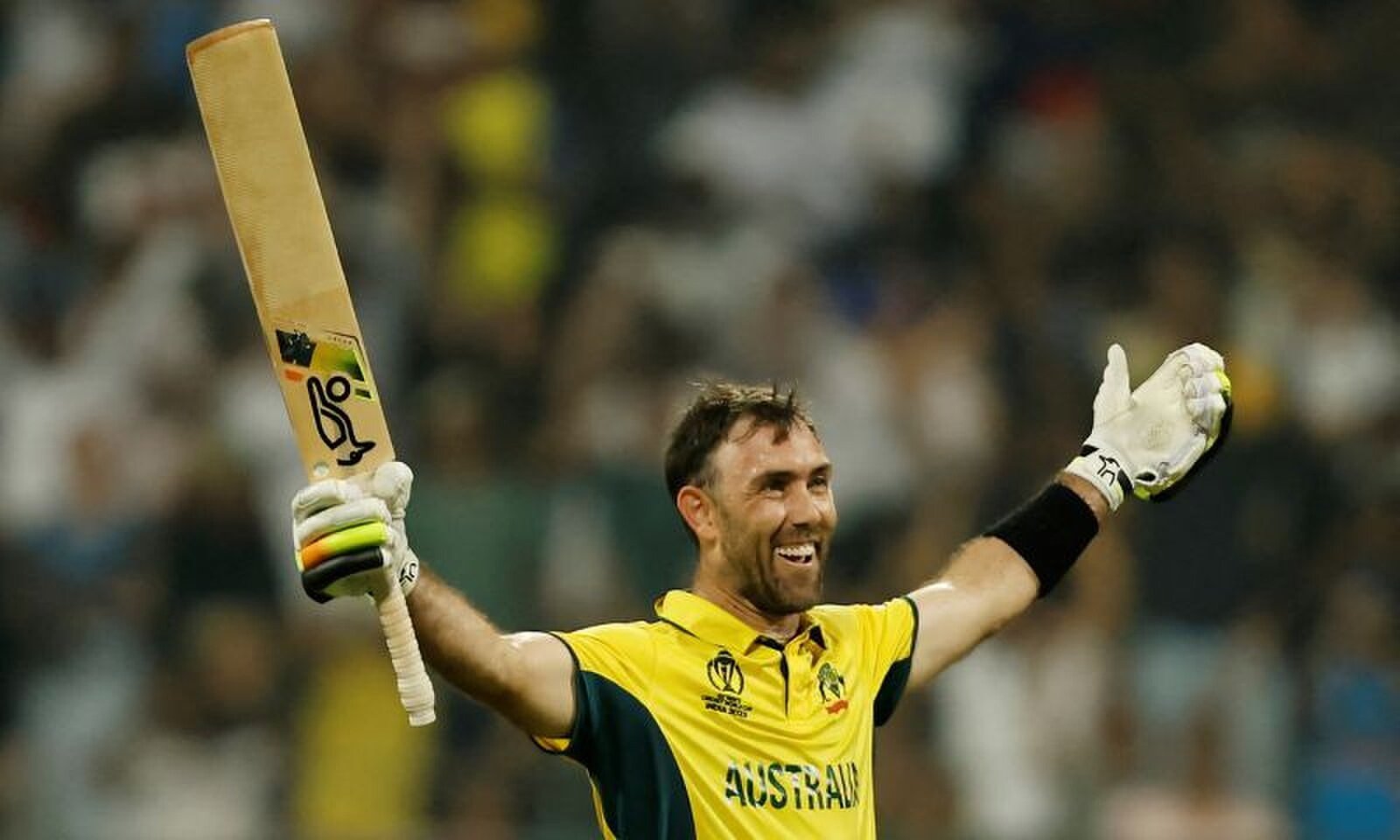
    Australian all-rounder Glenn Maxwell has announced his retirement from international cricket, bringing down the curtain on a 14-year career with his country. The 38-year-old, widely known by his nickname ‘The Big Show’, confirmed the decision on The Final Word podcast.

    Maxwell also confirmed he would step away from domestic 50-over cricket and red-ball cricket for Victoria. He will, however, play one final Big Bash League season for the Melbourne Stars before stepping away from cricket entirely, as he looks to manage his body through the remaining tournaments of his career.

    The numbers behind the career are remarkable. Maxwell represented Australia in 7 Tests, 149 one-day internationals and 130 Twenty20 internationals, a total of 286 international matches. He scored 339 Test runs, 3,990 ODI runs and 2,897 T20I runs, and took 136 international wickets.

    He was part of three World Cup-winning Australian teams: the ODI World Cup triumphs of 2015 and 2023, and the T20 World Cup win of 2021. Few players of his generation combined explosive batting, inventive shot-making and useful off-spin in quite the same way, and he became one of Australia’s most distinctive limited-overs players.

    Maxwell had already retired from ODI cricket in June 2025, after 149 matches over 13 years. He remained available for the T20I side and played at the 2026 T20 World Cup, where Australia were eliminated in the group stage. His final international appearance came against Oman in February 2026, a match in which he took two wickets but did not get a chance to bat.

    Speaking about the timing of his decision, Maxwell said he needed to spend more time investing in his body to get through the remaining tournaments of his career. He also revealed there had been discussions about a possible farewell game at the Melbourne Cricket Ground, but said he understood the direction the Australian selectors were taking with a changing squad.

    The announcement also reflects a wider changing of the guard in Australian cricket. With the 2028 Olympics on the horizon and a new cycle beginning, the selectors are looking to the next generation, and Maxwell’s departure closes the international chapter of one of the most entertaining careers of the modern era.

    For fans, Maxwell will be remembered for innings that changed matches in a matter of overs, for fielding brilliance and for a fearless approach that made him box-office whenever he walked to the crease. The Big Bash farewell will give Australian crowds one last chance to see him in action, but the international stage has now seen the last of the Big Show.

  • GCC opens anti-dumping probe into paper imports

    GCC opens anti-dumping probe into paper imports

    The Gulf Cooperation Council has opened an anti-dumping investigation into imports of uncoated paper from India, China and Thailand. The decision was taken by the GCC Permanent Committee for Anti-Harmful Practices in International Trade, following a preliminary report from its Technical Secretariat Office.

    The product under investigation is uncoated paper used for writing, printing or graphic purposes, supplied in rolls or in rectangular sheets, including square sheets. The investigation covers paper originating in, or exported from, India, China and Thailand into the GCC member states.

    An anti-dumping investigation is a formal trade inquiry. It examines whether imported goods are being sold in the importing market at prices below their normal value in the exporter’s home market, and whether that pricing is harming producers in the importing countries. If dumping and injury are established, the investigating authority can impose duties to offset the price gap.

    The announcement of the investigation, including full details of the product concerned and the procedures that will follow, was published in the official bulletin of the Technical Secretariat Office, Issue No. 59, dated November 2, 2026. The announcement is also available on the website of the GCC General Secretariat.

    The Technical Secretariat Office operates under the GCC General Secretariat and handles the technical work behind the bloc’s trade-remedy cases. Its director general, Mahfoudh bin Nasser Al-Raqadi, is named in connection with the announcement of the investigation.

    The GCC states, Saudi Arabia, the United Arab Emirates, Kuwait, Qatar, Bahrain and Oman, act together on trade-remedy matters under a unified law on anti-dumping, countervailing and safeguard measures. A single investigation therefore covers imports into all six member states, rather than each country running its own case.

    For exporters, the opening of an investigation is the start of a process, not a final decision. Interested parties are typically given an opportunity to present evidence and arguments before any duties are considered. Paper producers and traders in India, China and Thailand, as well as buyers across the Gulf, will now be watching how the case develops and what it means for prices and supply in the region.

    Trade-remedy cases of this kind have become a familiar feature of Gulf trade policy, with earlier investigations covering products from ceramics to metals. The paper case adds another widely traded commodity to that list, and its outcome could affect a supply chain that touches printing, publishing, packaging and office use across the Gulf.

  • اپنی چھت اپنا گھر: 128,000 مکانات مکمل ہو گئے

    اپنی چھت اپنا گھر: 128,000 مکانات مکمل ہو گئے

    وزیر اعلیٰ پنجاب مریم نواز نے کہا ہے کہ صوبے کی فلیگ شپ ہاؤسنگ اسکیم اپنی چھت اپنا گھر کے تحت 128,000 سے زائد مکانات مکمل ہو چکے ہیں۔ ان کے مطابق 280,000 مکانات اس وقت زیر تعمیر ہیں، جب کہ 850,000 خاندانوں نے اسکیم کے لیے درخواستیں جمع کرائی ہیں۔

    مریم نواز نے یہ اعداد و شمار اسکیم کی پیش رفت پر بات کرتے ہوئے پیش کیے۔ ان کے مطابق اگلے سال اسکیم کے لیے 110 ارب روپے کے قرضوں کا ہدف مقرر کیا گیا ہے، تاکہ مزید خاندان اپنے گھر بنا سکیں۔

    اپنی چھت اپنا گھر اسکیم کم آمدنی والے خاندانوں کے لیے بنائی گئی ہے۔ اس کے تحت اہل خاندانوں کو اپنے پلاٹ پر مکان بنانے کے لیے بلا سود قرض دیا جاتا ہے، جس کی زیادہ سے زیادہ حد 15 لاکھ روپے تک ہے۔ اسکیم کا مقصد ان لوگوں کو اپنا گھر بنانے میں مدد دینا ہے جو عام طور پر بینکوں سے قرض نہیں لے سکتے۔

    اسکیم کے تحت درخواست دینے کے لیے خاندان کے پاس اپنا چھوٹا پلاٹ ہونا ضروری ہے۔ شہری علاقوں میں پانچ مرلے تک اور دیہی علاقوں میں دس مرلے تک کے پلاٹ کے مالک اسکیم کے اہل سمجھے جاتے ہیں۔ درخواستوں کی جانچ پڑتال کے بعد قرض مرحلہ وار جاری کیا جاتا ہے، تاکہ تعمیر کا کام باقاعدگی سے آگے بڑھ سکے۔

    حکومت پنجاب کا کہنا ہے کہ یہ اسکیم صوبے کی سب سے بڑی ہاؤسنگ اسکیموں میں سے ایک ہے، اور اسے مکمل طور پر ڈیجیٹل نظام کے ذریعے چلایا جا رہا ہے۔ اسکیم کو اس سال اقوام متحدہ کے ادارے یو این ہیبی ٹیٹ کی جانب سے بھی اعزاز مل چکا ہے، جسے حکومت اپنی کامیابی کی علامت قرار دیتی ہے۔

    مکانات کی تکمیل کا مطلب یہ ہے کہ ہزاروں خاندان کرائے کے مکانوں سے نکل کر اپنے گھروں میں منتقل ہو رہے ہیں۔ اپنے گھر کا ہونا خاندانوں کو نہ صرف معاشی تحفظ دیتا ہے بلکہ بچوں کی تعلیم اور خاندانی استحکام کے لیے بھی ایک مضبوط بنیاد فراہم کرتا ہے۔

    تاہم اسکیم کے سامنے چیلنجز بھی موجود ہیں۔ تعمیراتی سامان کی قیمتوں میں اضافہ، مزدوروں کی دستیابی اور قرض کی اقساط کی بروقت ادائیگی جیسے معاملات پر حکومت اور مستفید ہونے والے خاندانوں دونوں کو توجہ دینا ہوگی۔ آنے والے مہینوں میں یہ دیکھنا اہم ہوگا کہ زیر تعمیر 280,000 مکانات کتنی جلدی مکمل ہوتے ہیں اور 110 ارب روپے کے قرضوں کا ہدف کس حد تک حاصل ہوتا ہے۔

  • Growers demand Rs650 sugarcane price, plan Nov 4 protest

    Growers demand Rs650 sugarcane price, plan Nov 4 protest

    Growers in Sindh have demanded that the provincial government fix the price of sugarcane at Rs650 per maund and start crushing operations on time, warning that delays every year leave farmers facing heavy losses.

    The demand was made by the Sindh Abadgar Ittehad, a growers’ association, at a meeting in Hyderabad. Its president, Nawab Zubair Talpur, said delays in announcing sugarcane prices and in starting crushing operations cause financial losses to growers year after year, and that the cycle must end.

    The association also turned its attention to wheat. Talpur rejected reports that the government was considering fixing the wheat price at Rs4,500 per maund and demanded that it instead be set at Rs5,000 per maund. The meeting discussed the federal government’s wheat policy and prices, and growers argued that a lower support price would not cover their costs.

    Paddy prices were another source of concern. Talpur said growers were facing difficulties as paddy was being sold for as little as Rs2,600 per maund in upper Sindh. For farmers who have already paid for seed, fertiliser, water and labour, selling at that level leaves little room to recover their investment, let alone make a living from the crop.

    Sugarcane is a particularly sensitive crop for growers because of its timing. Mills need to start crushing when the crop is ready, and any delay means the cane loses weight and quality while farmers wait. That is why growers’ groups press every year for both a price announcement and a firm crushing date, rather than a price alone.

    To press their case, the association announced that it would stage a protest on 4 November, marching from the Karachi Press Club to the Chief Minister’s House. The protest is intended to draw the provincial government’s attention to agricultural pricing concerns before the crushing season gets fully under way.

    The demands come at a difficult moment for farming families. Input costs have risen, water availability remains a concern, and market prices for crops such as paddy have not kept pace. Growers say that without a fair support price, many small farmers struggle to plant the next crop.

    The association’s message is therefore about more than a single number. It is asking for timely decisions, a sugarcane price of Rs650 per maund, a wheat support price of Rs5,000 per maund, and crushing that starts when it should. Whether the government responds before the planned protest will be closely watched by growers across the province.

    For now, the growers have set out their position clearly and given a date for their protest. The ball, they say, is in the government’s court.

  • North Korea’s cluster warhead test can wipe out 12 hectares

    North Korea’s cluster warhead test can wipe out 12 hectares

    North Korea has tested a new cluster warhead for its tactical ballistic missiles, according to its state news agency, in a trial that Pyongyang says proved the weapon can devastate a wide area in a single strike.

    The Korean Central News Agency reported on 1 November that the country’s Missile Administration carried out the test on 31 October to assess how effectively the warhead works in combat. The agency said the test confirmed that the Standard Type 2 cluster warhead can destroy a target area of 12 to 13 hectares at its highest density of fire.

    A cluster warhead opens in mid-air and scatters many smaller munitions over a wide area, rather than striking a single point. That design makes it effective against dispersed targets such as troops, vehicles, artillery positions and airfields, according to defence analysts who have described how such weapons work.

    South Korea’s Joint Chiefs of Staff said it had detected a missile fired from the Jongju area in North Pyongan Province toward the West Sea, also known as the Yellow Sea. The South Korean military said it had been tracking related activity in close cooperation with the United States before the launch and maintained a readiness posture.

    According to Yonhap News Agency, South Korea’s military did not announce the launch on the day it happened, a break from its usual practice of reporting North Korean ballistic missile launches in real time. Yonhap reported that the military wanted to complete its analysis first, because the missile appeared to have flown a short range at a low altitude for a warhead test.

    The test was overseen by Full General Kim Jong Sik, a member of the Central Military Commission of the ruling Workers’ Party of Korea, according to the state media report. The Ballistic Missile System Institute and the Warhead Institute of the Missile Administration were reported to have taken part in assessing the result.

    North Korea’s Missile Administration said four types of cluster warheads will be available for its military units to use before the end of the year, depending on their operational needs and the nature of their targets. State media did not give the missile’s flight distance, launch site or time, and leader Kim Jong Un was not reported to have attended the test.

    Shin Jong-woo, secretary-general of the Seoul-based Korea Defence and Security Forum, was reported as identifying the missile as the Hwasong-11Na, known as KN-24 and described as North Korea’s version of the United States ATACMS system. Photos released by state media showed the missile launching, the warhead bursting in mid-air and explosions across a target area, according to Yonhap.

    The test follows an earlier trial in April, when North Korea said it had tested cluster munitions mounted on a Hwasong-11 Ra tactical ballistic missile. It also came days after North Korea fired around 10 short-range ballistic missiles from its east coast toward the sea, in a demonstration linked to a drone exhibition.

    The test was reported as South Korea, the United States and Japan reaffirmed their commitment to the complete denuclearisation of the Korean Peninsula.

  • پاکستان پر سلو اوور ریٹ پر جرمانہ، فائنل جیت برقرار

    پاکستان پر سلو اوور ریٹ پر جرمانہ، فائنل جیت برقرار

    انٹرنیشنل کرکٹ کونسل نے پاکستان کرکٹ ٹیم پر ون ڈے فائنل میں سلو اوور ریٹ پر میچ فیس کا پانچ فیصد جرمانہ عائد کر دیا ہے۔ آئی سی سی کے مطابق پاکستان ٹیم مقررہ وقت میں مطلوبہ اوورز سے ایک اوور پیچھے رہی، جس پر یہ کارروائی کی گئی۔

    کپتان شاہین شاہ آفریدی نے غلطی تسلیم کرتے ہوئے تجویز کردہ سزا قبول کر لی، جس کے بعد معاملہ مزید کارروائی کے بغیر نمٹ گیا۔ کرکٹ قوانین کے تحت سلو اوور ریٹ کی ذمہ داری عام طور پر کپتان پر عائد ہوتی ہے، کیونکہ میدان میں کھیل کی رفتار برقرار رکھنا اسی کی ذمہ داری سمجھی جاتی ہے۔

    سلو اوور ریٹ کا مطلب یہ ہے کہ فیلڈنگ ٹیم مقررہ وقت میں اتنے اوورز نہ کرا سکے جتنے کرائے جانے چاہئیں۔ اس سے کھیل کا دورانیہ بڑھ جاتا ہے اور نشریاتی شیڈول سمیت کئی معاملات متاثر ہوتے ہیں، اس لیے آئی سی سی اس خلاف ورزی کو سنجیدگی سے لیتا ہے۔

    دلچسپ بات یہ ہے کہ جرمانے کے باوجود پاکستان نے فائنل اپنے نام کر لیا۔ پاکستان نے سری لنکا کے 326 رنز کے ہدف کا تعاقب کرتے ہوئے تین وکٹوں سے کامیابی حاصل کی اور ٹرائی نیشن ون ڈے ٹائٹل جیت لیا۔

    ہدف کے تعاقب میں پاکستانی بیٹنگ نے دباؤ کے باوجود حوصلہ برقرار رکھا اور آخری لمحات میں میچ اپنے حق میں کر لیا۔ فائنل جیتنے کے بعد کھلاڑیوں اور شائقین میں خوشی کی لہر دوڑ گئی، جبکہ سوشل میڈیا پر بھی ٹیم کی کارکردگی کو سراہا گیا۔

    جرمانے کی خبر نے البتہ یہ بحث بھی چھیڑ دی ہے کہ بڑے میچوں میں اوور ریٹ کو بہتر بنانے کے لیے ٹیموں کو کیا کرنا چاہیے۔ ماہرین کا کہنا ہے کہ فیلڈنگ کے دوران وقت کا بہتر انتظام، وکٹوں کے درمیان تیزی اور غیر ضروری تاخیر سے گریز اس مسئلے کا حل ہو سکتا ہے۔

    پاکستان ٹیم کے لیے یہ فائنل کئی حوالوں سے یادگار رہا۔ ایک طرف ٹائٹل جیتا گیا تو دوسری طرف سلو اوور ریٹ پر جرمانہ بھی ہوا، جو اس بات کی یاد دہانی ہے کہ میدان میں جیت کے ساتھ ساتھ قوانین کی پابندی بھی اتنی ہی اہم ہے۔

    آئندہ میچوں میں ٹیم انتظامیہ اور کپتان کو اس پہلو پر خاص توجہ دینا ہو گی تاکہ جیت کے ساتھ ساتھ جرمانوں سے بھی بچا جا سکے۔ شائقین کو امید ہے کہ ٹیم اپنی فاتحانہ فارم برقرار رکھتے ہوئے آئندہ مقابلوں میں بھی اسی جذبے سے کھیلے گی۔