Author: hammadkhaksar

  • PCB Patrons XI begin prep for Sri Lanka practice match

    PCB Patrons XI begin prep for Sri Lanka practice match

    The PCB Patrons XI squad has begun its preparations for a three-day practice match against the Sri Lanka Test squad, with the players reporting for training at the Islamabad Club. The practice fixture is part of the build-up around the Sri Lankan team’s visit, giving both sides a chance to settle into match conditions before the serious cricket begins.

    The squad for the practice match comprises 13 players, and it will be led by Saad Baig. The selection of a young captain for a side of this kind underlines the value teams place on practice fixtures as a testing ground, where emerging players can be assessed against international opposition without the pressure of a full international fixture.

    Practice matches of this nature serve a purpose for both teams. For the visiting side, they offer time in local conditions and a chance to adjust to pitches, weather and surroundings before the main series. For the home side’s fringe and developing players, they offer something just as valuable: a genuine opportunity to show what they can do when the opposition is of Test standard.

    Training at the Islamabad Club marks the first step in that process. Sessions in the days before a three-day game are usually built around the basics: long spells in the nets for batters, workload management for bowlers, and fielding work that sharpens reflexes after time away from competitive cricket. The coaching staff will also be watching closely for form and fitness, since performances in practice games often shape later selection conversations.

    For Saad Baig, leading the side is a responsibility in itself. Captaining a representative team against a touring Test squad means balancing his own game with the task of keeping a group of players focused across three days of cricket, where momentum can swing session by session and concentration matters as much as talent.

    The three-day format adds its own demands. Unlike a short limited-overs outing, a three-day match tests patience, stamina and the ability to build an innings or a bowling spell over a longer period. Batters must be prepared to spend hours at the crease, while bowlers must learn to stay disciplined even when wickets are not falling quickly.

    Supporters will also be watching for signs of the next generation coming through. Practice matches have long been a stage where unknown names first catch the eye, and a strong showing against a touring side can change the course of a young player’s season. That is part of what makes these fixtures worth following, even though they do not carry the status of an international match.

    As preparations continue at the Islamabad Club, the focus for the Patrons XI will be simple: train well, stay fit, and arrive at the practice match ready to compete. The result may not go into any record book in the same way as a Test match, but the experience gained over three days against quality opposition can be just as important for the players involved.

  • Varda Naqvi elected Pakistan Broadcasters director

    Varda Naqvi elected Pakistan Broadcasters director

    Varda Naqvi of City 42 has been elected a director of the Pakistan Broadcasters Association at the body’s Annual General Body Meeting in Karachi on Monday. She was elected as one of three television representatives chosen for the association’s Board of Directors.

    The election, held at the annual meeting of broadcasters, also settled the association’s other leading offices. Shakeel Masud Hussain was named chairman, Mian Amer Mahmood was elected secretary general, Syed Ahmed Shah became vice chairman, and Sultana Siddiqui was chosen as senior vice chairperson.

    The Pakistan Broadcasters Association represents television broadcasters in the country, and its board elections are watched closely within the media industry. The association speaks for its member channels on matters affecting broadcasting, and its leadership plays a role in discussions with regulators, advertisers and other stakeholders in the media landscape.

    Naqvi’s election as a director places a City 42 representative on the board at a time when the television industry is navigating rapid change. News channels today compete not only with each other but with digital platforms, social media and streaming services, all of which have reshaped how audiences watch, and how advertising money moves.

    Television representatives on the board carry the concerns of news and entertainment channels into the association’s decision-making. Their role includes raising issues faced by channels in their daily operations, from the cost of running a newsroom to the challenges of keeping audiences engaged in a crowded media market.

    The annual general body meeting in Karachi brought together members from across the industry, and the election of a new board is a routine but significant moment in the association’s calendar. It sets the leadership that will guide the body over the coming term, and it signals which voices will carry weight in its internal debates.

    For City 42, a Lahore-based news channel, having its representative elected to the board is a mark of standing within the industry. It reflects the channel’s position among broadcasters and gives it a direct say in the association’s affairs.

    The other office-bearers elected alongside Naqvi bring their own experience to the board. A chairman, secretary general, vice chairman and senior vice chairperson together form the core leadership team, and their combined backgrounds will shape how the association approaches the issues ahead.

    As the new board takes up its responsibilities, broadcasters will be looking to it for leadership on the questions facing the industry: how to sustain quality journalism, how to adapt to changing audience habits, and how to represent the interests of television in a media environment that is changing faster than ever.

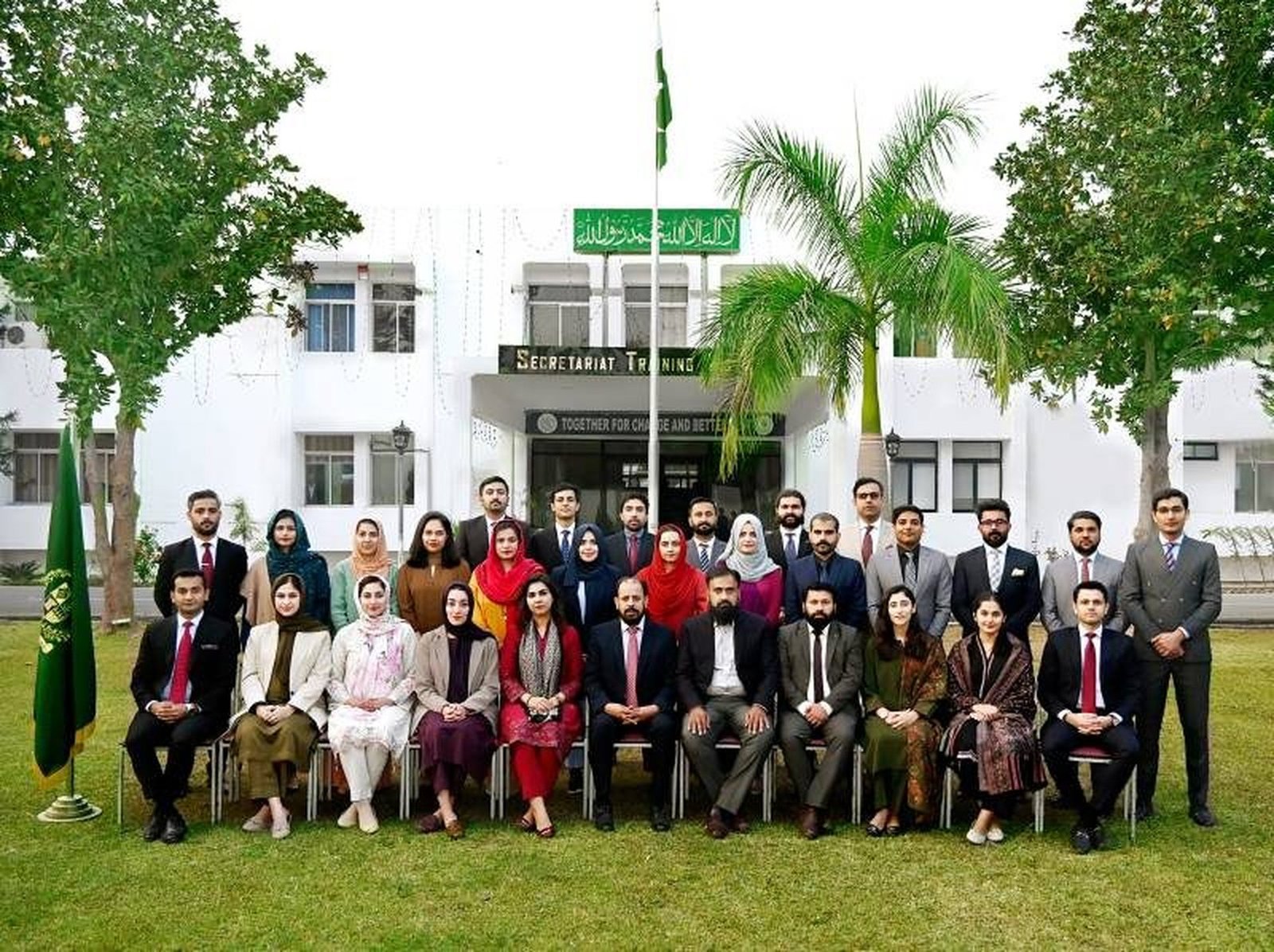
  • 187 officers nominated for 48th mid-career course

    187 officers nominated for 48th mid-career course

    The Establishment Division in Islamabad has nominated 187 officers for the 48th Mid-Career Management Course, a training programme for civil servants at the middle stage of their careers. The nominations cover officers drawn from several service groups, reflecting the broad reach of the course across the federal bureaucracy.

    Among the 187 officers, 38 belong to the Establishment Division itself. The remaining nominations come from the Pakistan Administrative Service, the Police Service of Pakistan, the Secretariat Group and other groups, bringing together officers whose day-to-day work spans administration, policing and the running of government offices.

    The training will be held at the National Institutes of Management in Islamabad and Karachi, with the course starting on 24 November. Splitting a large cohort between two institutes is a practical arrangement, allowing the programme to run for a sizeable group of officers without overloading a single campus.

    Mid-career courses occupy an important place in the career path of a civil servant. By the time officers reach this stage, they have usually spent years handling field postings, office assignments or operational duties, and they carry practical experience of how government works on the ground. A structured course at this point gives them a chance to step back, compare experiences with colleagues from other services, and prepare for more senior responsibilities.

    The mix of services in a single cohort is part of the point. An officer from the administrative service, a police officer and a secretariat officer may approach the same problem very differently, shaped by the institutions they serve. Bringing them into the same classroom encourages a shared understanding of how decisions in one part of government affect the others, which matters when policies must be carried out across departments.

    The National Institutes of Management have long served as the venue for this kind of training. Their role is to provide a setting away from daily office pressures where officers can focus on management, policy and leadership, and where discussion with peers becomes as valuable as formal instruction.

    For the officers nominated, the course also marks a milestone. Nomination for a mid-career programme is a sign of progression in service, and completion of such training is generally seen as part of preparation for higher roles. It is a stage where officers are expected to move from handling individual assignments to thinking about institutions, teams and longer-term outcomes.

    The inclusion of 38 officers from the Establishment Division itself is notable, since the division is the very body that oversees civil service matters, including nominations and training. Their presence alongside colleagues from other groups underlines that the course is intended for the service as a whole, not for any single cadre.

    As the 24 November start date approaches, the nominated officers will be preparing to take time away from their postings for the programme. For the institutes in Islamabad and Karachi, the task will be to turn a diverse cohort of 187 officers into a group that returns to its departments with fresh perspective and a wider professional network.

  • Candidate demands ChatGPT in interview — and gets the job

    Candidate demands ChatGPT in interview — and gets the job

    A job candidate has surprised an interview panel by openly demanding permission to use ChatGPT during his interview, and the unusual approach ended with him getting the job. The episode, reported on Monday, has since become a talking point about how workplaces should treat artificial intelligence in recruitment.

    According to the report, the candidate told the panel he was not there to prove what he had memorised. His argument was straightforward: in real work, he said, what matters is the quality of the result, and AI tools help him deliver the best results. Rather than hiding his use of technology, he put it on the table at the very start of the conversation.

    The panel’s surprise is easy to understand. Interviews have traditionally been built around testing what a person knows on the spot, without notes, without help, and without a screen. A candidate asking to bring an AI assistant into that setting turns the usual rules upside down, and it forces interviewers to ask what exactly they are trying to measure.

    The candidate’s case, however, reflects how many jobs have already changed. In offices, studios and workshops around the world, professionals now routinely use AI tools to draft, check, summarise and improve their work. Supporters of that shift argue that refusing to let a candidate use the same tools they would use on the job gives a distorted picture of how they would actually perform.

    Critics see it differently. They worry that allowing AI in interviews makes it harder to tell where a candidate’s own thinking ends and the machine’s output begins. If every answer can be polished by a chatbot, they argue, employers lose the ability to judge judgement, knowledge and originality — the very qualities an interview is meant to reveal.

    What makes this case stand out is the outcome. The candidate did not merely raise the question; he was hired. That suggests the panel, whatever its initial surprise, was willing to look past the break with convention and judge him on the broader impression he made, including his confidence and his honesty about how he works.

    The story also touches a wider anxiety among jobseekers. Many candidates now wonder whether they should present themselves as entirely self-reliant, even when their daily work involves AI assistance, or whether honesty about their methods will be held against them. This candidate chose openness, and in his case it worked.

    Employers, meanwhile, face a practical question that will not go away. If AI tools are part of the modern workplace, recruitment processes may need clearer rules: which tools are allowed, at which stage, and for what kind of task. Without such rules, every panel will be left to improvise, and candidates will face a lottery depending on who happens to interview them.

    For now, the episode remains a single, striking example rather than a new industry standard. But it captures a moment of change: the line between a person’s own knowledge and the tools they use is blurring, and hiring practices are being forced to catch up with the way work is actually done.

  • Amir Khan alleges Rs22.5m fraud in Islamabad deal

    Amir Khan alleges Rs22.5m fraud in Islamabad deal

    Boxer Amir Khan has alleged that he was cheated of Rs22.5 million in a failed business deal in Islamabad, accusing his business partner of taking the money illegally on the pretext of a business arrangement. The allegation was reported on Monday, and it centres on a deal that, according to Khan, did not go ahead as promised.

    Khan has named Khaliq Tanoli in his allegation, claiming that Tanoli took the money from him under the guise of a business deal. The claim, as reported, is that the funds were obtained illegally, and that the business venture at the heart of the arrangement failed to materialise.

    It is important to be clear about the nature of these claims: they are allegations made by Khan, and they have been reported as his account of events. They are not, on the basis of the report, findings by a court or conclusions of an investigation, and the other side’s version of events is not set out in the same report.

    Khan also made a separate clarification in connection with the matter, saying that he has no connection with Zuma Islamabad. That statement appears aimed at drawing a line between himself and a business name that has been mentioned around the dispute, making clear that he does not wish to be associated with it.

    Disputes of this kind, where a well-known figure puts money into a business venture that then fails, often attract wide attention, and they can be difficult to untangle. Business deals usually involve agreements, payments, timelines and expectations on both sides, and when a venture collapses, the question of who is owed what can quickly become contested.

    For public figures, the stakes can be higher than the money alone. A boxer of Khan’s profile brings attention to any venture he is linked with, and that attention can cut both ways: it can lend a project credibility at the start, and it can magnify the fallout if the project ends in dispute.

    The reported sum, Rs22.5 million, is substantial by any measure, and the allegation that it was taken illegally is a serious one. Allegations of this nature, if pursued, would normally be tested through legal or investigative channels, where documents, agreements and payment records can be examined and both sides can present their case.

    For now, what is publicly known is Khan’s allegation and his denial of any link with Zuma Islamabad. Readers should treat the claims as one side’s account until any further development — such as a response from the person named, or action by the authorities — is reported.

    The episode is also a reminder of the care needed when private money moves into business ventures. Written agreements, clear records of payments and independent advice are the usual safeguards, and their absence is often what turns a failed deal into a public dispute.

  • دھوپ کے باوجود وٹامن ڈی کی کمی: 73 فیصد افراد متاثر

    دھوپ کے باوجود وٹامن ڈی کی کمی: 73 فیصد افراد متاثر

    پاکستان میں سورج کی فراوانی کے باوجود وٹامن ڈی کی کمی ایک سنگین اور خاموش صحت کا مسئلہ بن چکی ہے۔ لاہور میں منعقدہ ایک طبی سیمینار میں ماہرین نے کہا کہ ملک میں ہر عمر کے افراد اس کمی کا شکار ہیں، اور اس بارے میں عوامی آگاہی کی اشد ضرورت ہے۔

    یہ خدشات ڈی کنیکٹ سمٹ 2026 میں سامنے آئے، جو ورلڈ وٹامن ڈی ڈے کی مناسبت سے لاہور کے مال روڈ پر واقع ہوٹل میں منعقد ہوا۔ اس سیمینار کا اہتمام ایک دوا ساز ادارے نے کیا تھا، جس میں مختلف شعبوں کے طبی ماہرین نے شرکت کی اور وٹامن ڈی کی اہمیت پر روشنی ڈالی۔

    میو اسپتال لاہور کے شعبہ آرتھوپیڈکس کے سربراہ پروفیسر ڈاکٹر فیصل مسعود نے اپنے خطاب میں کہا کہ وٹامن ڈی انسان کی زندگی کے ہر مرحلے میں ہڈیوں کی صحت کا ساتھی ہے، بچپن سے لے کر بڑھاپے تک۔ ان کے مطابق ہڈیاں صرف جسم کو سہارا نہیں دیتیں، بلکہ حرکت میں مدد کرتی ہیں، اہم اعضا کی حفاظت کرتی ہیں اور جسم میں کیلشیم کا توازن برقرار رکھتی ہیں۔

    ڈاکٹر فیصل نے کہا کہ پاکستان کو وٹامن ڈی کی کمی کے سنگین مسئلے کا سامنا ہے، حالانکہ ملک میں سورج کی روشنی وافر مقدار میں موجود ہے۔ سیمینار میں پیش کیے گئے اندازوں کے مطابق تقریباً 73 فیصد افراد وٹامن ڈی کی کمی یا اس کی ناکافی سطح کا شکار ہیں۔ یہ اعداد و شمار اس بات کی طرف اشارہ کرتے ہیں کہ مسئلہ کتنا وسیع ہے، اور اسے نظر انداز کرنا مہنگا پڑ سکتا ہے۔

    ماہرین نے اس کمی کی کئی وجوہات بیان کیں۔ لوگ جلد کی رنگت خراب ہونے کے خدشے اور شدید موسم کی وجہ سے براہ راست دھوپ سے گریز کرتے ہیں۔ لباس کی عادات، سماجی رسوم اور گھروں کے اندر گزرنے والی طرز زندگی بھی دھوپ کے حصول میں رکاوٹ بنتی ہے۔ اس کے ساتھ ساتھ کھانے کی عادات میں تبدیلی نے بھی مسئلہ بڑھایا ہے، کیونکہ اب لوگ غذا کے انتخاب میں ذائقے کو غذائیت پر ترجیح دیتے ہیں۔

    وٹامن ڈی کی کمی کے نتائج خاص طور پر عمر رسیدہ افراد کے لیے خطرناک ہو سکتے ہیں۔ ماہرین کے مطابق ہڈیوں کا بھربھرا پن، یعنی آسٹیوپوروسس، اکثر اس وقت تک پوشیدہ رہتا ہے جب تک کوئی ہڈی ٹوٹ نہ جائے۔ اس لیے کمزور ہڈیوں کی بروقت شناخت اور روک تھام انتہائی ضروری ہے، ورنہ ایک معمولی گرنا بھی بڑی معذوری کا سبب بن سکتا ہے۔

    سیمینار میں شریک ماہرین نے کہا کہ اس بحران سے نمٹنے کے لیے صرف دوا پر انحصار کافی نہیں۔ عوام کو دھوپ کی اہمیت، متوازن غذا اور باقاعدہ طبی معائنے کے بارے میں بتانا ہوگا۔ جن افراد میں ہڈیوں یا پٹھوں میں مسلسل درد، تھکاوٹ یا کمزوری کی علامات ہوں، انہیں ڈاکٹر سے مشورہ کرنا چاہیے تاکہ بروقت تشخیص ہو سکے۔

    ماہرین کا پیغام واضح تھا: سورج کی روشنی ایک نعمت ہے، لیکن اس سے فائدہ اٹھانے کے لیے شعور اور درست طرز زندگی ضروری ہے۔ وٹامن ڈی کی کمی کو سنجیدگی سے لینا ہی ہڈیوں کی صحت اور بہتر معیار زندگی کی ضمانت بن سکتا ہے۔

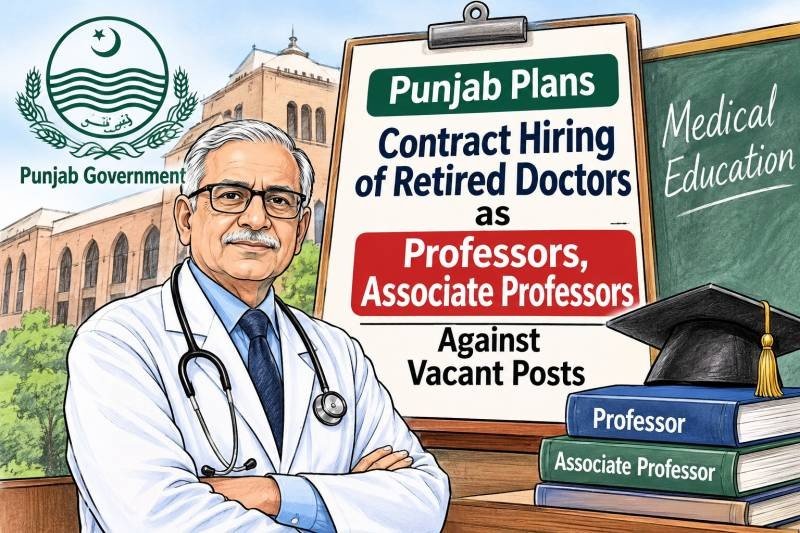
  • پنجاب: ریٹائرڈ ڈاکٹر پروفیسر بنیں گے، 5 نومبر آخری تاریخ

    پنجاب: ریٹائرڈ ڈاکٹر پروفیسر بنیں گے، 5 نومبر آخری تاریخ

    حکومت پنجاب میڈیکل اداروں میں اساتذہ کی شدید کمی کو پورا کرنے کے لیے ریٹائرڈ ڈاکٹروں اور نجی شعبے کے طبی ماہرین کو کنٹریکٹ کی بنیاد پر پروفیسر اور ایسوسی ایٹ پروفیسر مقرر کرنے کا منصوبہ بنا رہی ہے۔ اس مقصد کے لیے درخواستیں 5 نومبر تک طلب کی گئی ہیں، اور اہل امیدواروں کا انتخاب کھلے مسابقتی عمل کے ذریعے کیا جائے گا۔

    یہ منصوبہ محکمہ سپیشلائزڈ ہیلتھ کیئر اینڈ میڈیکل ایجوکیشن کی جانب سے سامنے آیا ہے، جس کے تحت صوبے کے مختلف میڈیکل اداروں میں خالی تدریسی آسامیوں کو پُر کیا جائے گا۔ ریٹائرڈ پروفیسرز اور ایسوسی ایٹ پروفیسرز کے ساتھ ساتھ نجی شعبے اور دیگر اداروں کے وہ امیدوار بھی درخواست دے سکتے ہیں جو متعلقہ آسامی کے لیے مطلوبہ تعلیمی قابلیت، تجربہ اور تحقیقی شرائط پوری کرتے ہوں۔

    ملازمت کی زیادہ سے زیادہ عمر 65 سال مقرر کی گئی ہے۔ کنٹریکٹ کی مدت تین سال، یا 65 سال کی عمر تک، یا اس وقت تک ہوگی جب تک ترقی یا پنجاب پبلک سروس کمیشن کے ذریعے کوئی مستقل امیدوار تعینات نہیں ہو جاتا، جو بھی پہلے ہو۔ یہ شرط واضح کرتی ہے کہ یہ تقرریاں عارضی نوعیت کی ہیں اور مستقل بھرتیوں کا متبادل نہیں۔

    یہ اقدام 12 ایسے شعبوں پر مرکوز ہے جہاں اساتذہ کی کمی سب سے زیادہ ہے۔ ان میں کارڈیالوجی، کارڈیک سرجری، اینستھیزیا، پلمونولوجی، آنکولوجی، ریڈیالوجی، بائیو کیمسٹری، فرانزک میڈیسن، سائیکاٹری، پیڈیاٹرک سرجری، پیڈیاٹرک کارڈیک سرجری اور پیڈیاٹرک کارڈیالوجی شامل ہیں۔ ان شعبوں میں کئی آسامیاں مہینوں سے خالی ہیں، جس کی وجہ سے جونیئر ڈاکٹروں کو سینئر اساتذہ کی مناسب نگرانی کے بغیر کام کرنا پڑ رہا ہے۔

    سینئر ڈاکٹروں کا خیال ہے کہ تجربہ کار اساتذہ کی آمد سے جونیئر ڈاکٹروں کو فائدہ ہوگا، کیونکہ انہیں تربیت اور رہنمائی میسر آئے گی۔ طبی تعلیم میں سینئر فیکلٹی کی موجودگی طلبہ کی تربیت اور مریضوں کی دیکھ بھال دونوں کے لیے اہم سمجھی جاتی ہے، اور خالی آسامیاں اس پورے نظام کو متاثر کرتی ہیں۔

    دوسری جانب بعض ذرائع نے اس منصوبے پر تحفظات کا اظہار بھی کیا ہے۔ ان کا کہنا ہے کہ کنٹریکٹ پر تقرریاں طبی تعلیم کے مستقل ڈھانچے کو کمزور کر سکتی ہیں اور سرکاری اداروں میں پہلے سے کام کرنے والے ڈاکٹروں کی ترقی کے امکانات متاثر ہو سکتے ہیں۔ یہ خدشہ بھی ظاہر کیا گیا ہے کہ اس سے انتظامی کنٹرول بڑھے گا اور سینئر تعلیمی تقرریاں حکام کی ترجیحات پر منحصر ہو جائیں گی۔

    حکومت کی جانب سے ان تحفظات پر ابھی تک عوامی طور پر کوئی وضاحت سامنے نہیں آئی۔ تاہم اشتہار کے مطابق انتخاب میرٹ پر مبنی کھلے عمل سے ہوگا، جس سے یہ امید کی جا رہی ہے کہ اہل اور تجربہ کار امیدواروں کو موقع ملے گا۔

    پنجاب کے 36 سرکاری میڈیکل کالجوں اور ان سے منسلک تدریسی اسپتالوں میں اساتذہ کی کمی ایک پرانا مسئلہ ہے۔ اگر یہ منصوبہ شفاف طریقے سے مکمل ہوتا ہے تو یہ عارضی طور پر خالی آسامیوں کو پُر کرنے میں مددگار ثابت ہو سکتا ہے، لیکن مستقل حل کے لیے باقاعدہ بھرتیوں کا عمل ہی اصل بنیاد رہے گا۔ امیدواروں کے لیے 5 نومبر کی آخری تاریخ قریب ہے، اس لیے دلچسپی رکھنے والے ڈاکٹروں کو جلد درخواست دینا ہوگی۔

  • Inflation eases to 9.61% in October, back in single digits

    Inflation eases to 9.61% in October, back in single digits

    Pakistan’s annual inflation rate fell to 9.61 per cent in October 2026, returning to single digits after two months above 10 per cent, according to data released by the Pakistan Bureau of Statistics. The figure marks the first single-digit annual reading since July, offering some relief after a summer in which price pressures had picked up again.

    The bureau’s monthly report showed the annual rate easing from 10.3 per cent in September to 9.61 per cent in October. Inflation had climbed above 10 per cent in August and stayed there in September, so the October decline breaks that run, even though the rate remains well above the State Bank’s target range of 5 to 7 per cent. For households, the direction of travel matters, but the level still means prices are rising much faster than policymakers would like.

    The improvement in the annual rate did not mean prices stopped rising. Consumer prices increased by 1.1 per cent in October compared with September, showing that month-on-month pressures continued. Rural areas felt that monthly increase more sharply, with prices up 1.5 per cent on the month, against 0.8 per cent in urban areas. On an annual basis, rural inflation stood at about 9.8 per cent in October, compared with 9.5 per cent in urban areas.

    The broader picture for the fiscal year remains less comfortable. Average inflation during the first four months of the current fiscal year, from July to October 2026, remained in double digits at 10.05 per cent. That average reflects the higher readings in August and September, and it shows that a single month of cooling does not by itself undo the pressure built up over the summer.

    Food provided some of the relief in October. Food inflation eased to 7.74 per cent from 8.2 per cent in September, helped by a fall in perishable food prices, which dropped 2.35 per cent on the month after a sharp rise the month before. At the same time, price growth in transport quickened further, reaching 28.61 per cent from 27.43 per cent, a reminder that energy and fuel costs continue to feed through to household budgets.

    The comparison with a year ago underlines how much has changed. Inflation in October 2026, at 9.61 per cent, was considerably higher than the 6.2 per cent recorded in October 2025. The Finance Division had projected October inflation in a range of 9.5 to 10.5 per cent, so the official figure landed comfortably inside that forecast, but at a level far above last year’s.

    What happens next will depend heavily on international energy prices, food supplies and base effects, the factors the Finance Division itself flagged as risks to the outlook. The State Bank raised its policy rate to 12 per cent in late October to guard against second-round price effects, a move that raises borrowing costs but is intended to anchor expectations.

    For now, October’s data gives the government a welcome headline: inflation back in single digits. Whether that becomes a sustained trend, rather than a one-month pause, will be decided by the November figures and by whether the monthly price increases that continued in October begin to fade.

  • Safety row: 7 of 8 Pakistan players leave Nepal league

    Safety row: 7 of 8 Pakistan players leave Nepal league

    The controversy surrounding the Nepal Premier League has deepened, with reports saying seven of the eight Pakistani cricketers in the tournament have left Nepal and returned home. Hussain Talat is the only Pakistani player still in Nepal, according to the reports, leaving the league’s Pakistani contingent almost entirely depleted midway through the season.

    Former Pakistan captain and coach Misbah-ul-Haq has strongly criticised the playing conditions, pointing to the poor state of the ground’s outfield and faulty floodlight towers. In his view, players’ safety cannot be compromised under any circumstances, and substandard facilities put cricketers at real risk of injury. His remarks have added weight to a dispute that began as an administrative row and has now spilled over into questions about the basic safety of the tournament.

    The tournament itself has been troubled from the start. The third season of the Nepal Premier League, an eight-team competition, is scheduled to run from 26 October to 21 November in Kathmandu, with matches at the Tribhuvan University ground in Kirtipur. But even before a ball was bowled, the participation of Pakistani players was thrown into doubt by uncertainty over their no-objection certificates from the Pakistan Cricket Board.

    Reports said the board had put previously issued clearances on hold and sought a fee of around 25,000 US dollars per player for fresh clearances, a demand the board has not publicly confirmed in writing. Pakistan board sources later clarified, according to reports, that any such fee had been demanded from the franchises rather than from the players themselves. It did little to calm the situation on the ground, where some players had already travelled to Nepal and others delayed their plans while waiting for clarity.

    The Pakistani players named for the league were T20 captain Sahibzada Farhan, Haider Ali, Hunain Shah, Hussain Talat, Iftikhar Ahmed, Hasan Ali and Usama Mir, along with one more player. None of them is currently part of Pakistan’s Test or one-day plans, which is why the franchise stint was seen as a valuable chance to play competitive cricket. Instead, several found themselves caught between their board and the league organisers.

    On the field, the dispute grew further when a decision was taken to hold matches over five overs, prompting Sudeurpaschim Royals to protest. The match eventually went ahead after negotiations, with Biratnagar Kings defeating their opponents by 35 runs. Misbah also expressed disappointment that the team’s captain was not invited to the post-match ceremony, a detail that, for many observers, summed up the disorganisation surrounding the event.

    For the league, the departure of almost all its Pakistani players is a serious blow. Overseas names are a major draw for a young franchise tournament, and losing them midway through the season damages both its credibility and its crowds. For the players, the episode raises familiar questions about how Pakistan’s board handles overseas league clearances, an issue that also surfaced earlier this year around Major League Cricket in the United States.

    Whether the remaining fixtures proceed smoothly, and whether any of the departed players return, will depend on negotiations between the board, the franchises and the league. For now, the Nepal Premier League’s third season will be remembered as much for its off-field disputes as for the cricket played on it, and the safety concerns raised by one of Pakistan’s most respected former captains are unlikely to fade quickly.

  • جناح میڈیکل کمپلیکس: 403 بستر، 23 مارچ 2027 تک فعال

    جناح میڈیکل کمپلیکس: 403 بستر، 23 مارچ 2027 تک فعال

    وزیراعظم شہباز شریف نے ہدایت کی ہے کہ اسلام آباد میں زیر تعمیر 403 بستروں پر مشتمل جناح میڈیکل اینڈ ریسرچ سینٹر کی تعمیر بروقت مکمل کی جائے اور اسے 23 مارچ 2027 تک فعال کر دیا جائے۔ اس سلسلے میں وزیراعظم کی زیر صدارت جناح میڈیکل کمپلیکس منصوبے کا جائزہ اجلاس منعقد ہوا، جس میں تعمیراتی کام اور طبی سہولتوں پر تفصیلی بریفنگ دی گئی۔

    اجلاس میں بتایا گیا کہ جناح میڈیکل اینڈ ریسرچ سینٹر فیز ون کی مجموعی تعمیر کا 59 فیصد کام مکمل ہو چکا ہے۔ مرکزی اسپتال کی عمارت اور پارکنگ پلازہ کا بنیادی ڈھانچہ تیار ہو چکا ہے، جبکہ طبی آلات کی تنصیب، اسپتال کے ڈیجیٹل نظام اور انتظامی انتظامات پر بھی کام جاری ہے۔ وزیراعظم نے تعمیراتی پیش رفت پر اطمینان کا اظہار کیا اور تمام اہداف مقررہ مدت میں پورے کرنے کی ہدایت کی۔

    وزیراعظم نے کہا کہ یہ میڈیکل کمپلیکس بین الاقوامی معیار کی صحت کی سہولتیں فراہم کرے گا، خاص طور پر اسلام آباد، خیبر پختونخوا، آزاد جموں و کشمیر اور گلگت بلتستان کے مریضوں کے لیے۔ ان علاقوں سے بڑی تعداد میں مریض علاج کے لیے اسلام آباد آتے ہیں، اور ایک جدید اسپتال ان کے لیے بڑی سہولت ہوگا۔

    اجلاس میں وزیراعظم نے ہدایت کی کہ میڈیکل کمپلیکس میں تمام تقرریاں شفاف طریقے سے اور مکمل طور پر میرٹ پر کی جائیں، تاکہ اہل طبی عملہ اور انتظامی افسران بھرتی ہو سکیں۔ انہوں نے یہ بھی کہا کہ کمپلیکس کو چلانے کے لیے کسی نجی ادارے کی خدمات حاصل کی جائیں، تاکہ عالمی معیار کا علاج اور انتظام یقینی بنایا جا سکے۔

    جدید تشخیصی سہولتوں کو بھی اجلاس میں خاص اہمیت دی گئی۔ وزیراعظم نے کہا کہ پی ای ٹی اسکین سمیت جدید تشخیصی سہولتیں منصوبے کا لازمی حصہ ہونی چاہئیں، اور یہ سہولتیں کم اور درمیانی آمدنی والے طبقات تک بھی پہنچنی چاہئیں تاکہ جدید طبی ٹیکنالوجی صرف امیر مریضوں تک محدود نہ رہے۔

    حکام نے وزیراعظم کو جدید تشخیصی مشینری، اسکینرز اور دیگر طبی آلات کی خریداری کی کوششوں سے بھی آگاہ کیا۔ اس کے ساتھ ساتھ فیز ٹو کے بارے میں بتایا گیا کہ اسلام آباد کے سیکٹر ایچ الیون میں نظرثانی شدہ ڈیزائن کے تحت قومی مسابقتی بولی کا عمل شروع کر دیا گیا ہے، اور دوسرے مرحلے کی تعمیر جلد شروع ہونے کی توقع ہے۔

    اجلاس میں وفاقی وزیر منصوبہ بندی احسن اقبال، وزیر احد خان چیمہ، وزیر صحت سید مصطفیٰ کمال اور طارق فضل چوہدری سمیت دیگر اعلیٰ حکام نے شرکت کی۔ منصوبے کی تکمیل کے لیے تمام متعلقہ اداروں کے درمیان رابطے اور رفتار کو برقرار رکھنا اب اصل امتحان ہوگا۔

    اسلام آباد میں گزشتہ دو دہائیوں کے دوران کوئی نیا بڑا سرکاری اسپتال قائم نہیں ہوا، اس لیے جناح میڈیکل کمپلیکس کو دارالحکومت اور ملحقہ علاقوں کے لیے ایک اہم منصوبہ قرار دیا جا رہا ہے۔ اگر یہ کمپلیکس مقررہ تاریخ تک فعال ہو جاتا ہے تو یہ ہزاروں مریضوں کے لیے جدید علاج کی سہولت کا دروازہ کھول دے گا، اور صحت کے شعبے میں ایک نمایاں پیش رفت ثابت ہوگا۔