Author: hammadkhaksar

  • Trump Blames Democrats for $2.5 Trillion Market Crash

    Trump Blames Democrats for $2.5 Trillion Market Crash

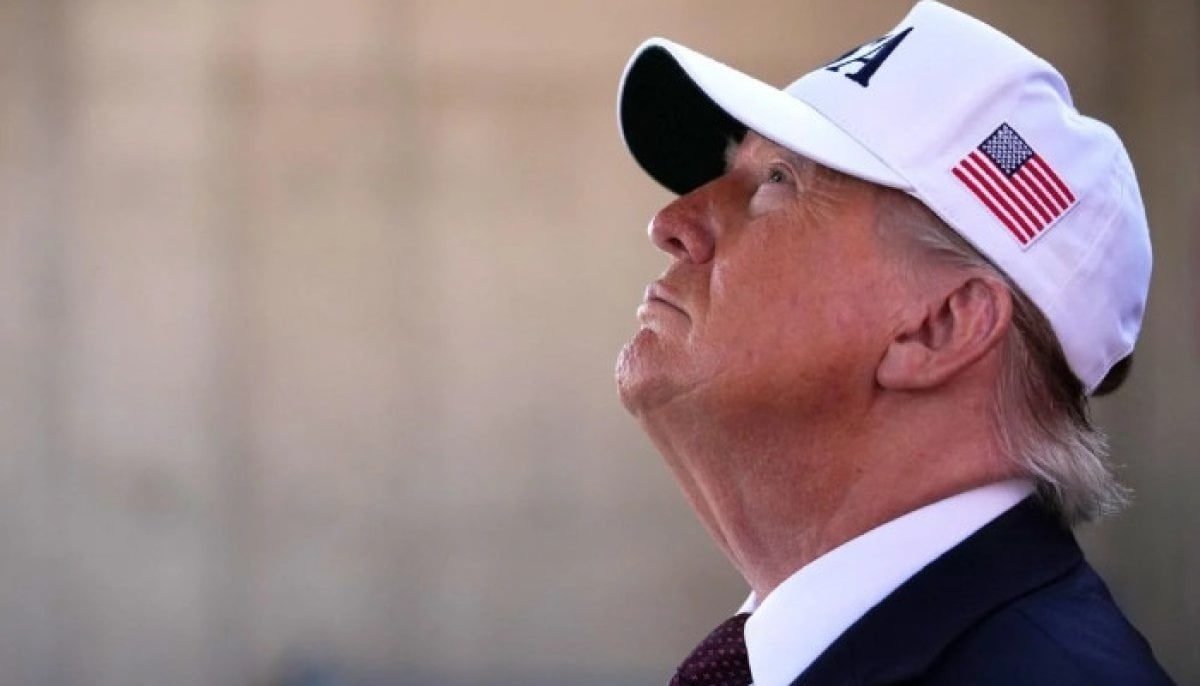
    United States President Donald Trump has blamed the Democratic Party for a sharp sell-off on Wall Street that wiped trillions of dollars from American stock markets on Thursday, a day after Democrats swept to victory in the midterm elections.

    The technology-heavy Nasdaq Composite fell 5.52 percent to close at 24,315.00, its worst session since April 2025, while the Dow Jones Industrial Average plunged 1,833 points, or 3.44 percent, to 51,523.06, and the S&P 500 dropped 4.36 percent to 7,353.73, according to figures reported by the Associated Press. The sell-off erased about $2.5 trillion in market value from Nasdaq-listed companies and about $2.9 trillion from firms in the S&P 500, both described as single-day records.

    Writing on Truth Social, Trump linked the losses directly to the election outcome. He said the market had suffered one of the worst days in its history because of the results, and warned that retirement savings had been hit. In an earlier post he wrote that the market had crashed because the Democrats had a big Tuesday, telling voters they only had themselves to blame.

    The president insisted the losses were not the fault of his party, writing that it was not the Republicans but the Democrats who were responsible, and he predicted that markets would recover and become bigger and stronger than ever before.

    The sharp reversal came a day after US markets had rallied strongly following the Democrats’ victories in the November 3 midterm elections, in which they won control of both the House of Representatives and the Senate. Thursday’s plunge wiped out those gains and pushed the Nasdaq into correction territory, more than 10 percent below its October record.

    Market analysts, however, pointed to other forces behind the sell-off. Reports cited growing concern over heavy spending on artificial intelligence, doubts about the returns from data-centre investment, and worries that a Democratic-controlled Congress could restrict the AI industry. Technology shares led the decline, with chipmaker Nvidia falling about 9 percent and the Philadelphia Semiconductor Index dropping around 12 percent.

    According to Reuters, the scale of the fall reflected a rapid reassessment by investors of the outlook for technology companies after the election. Traders who had celebrated the results on Wednesday turned to selling on Thursday as they weighed what Democratic control of Congress could mean for regulation of the fast-growing AI sector.

    Trump’s intervention underlined how quickly the midterm results have become a political battleground over the economy. The president has long treated the stock market as a measure of his economic record, and his posts sought to pin the blame for the losses on his opponents while reassuring investors that a recovery would follow.

    For now, the figures tell their own story. A market that had climbed to record highs in October has suffered one of its sharpest single-day reversals, and the debate over whether politics or the AI boom’s excesses caused the fall is set to continue as trading resumes.

  • SC: Ombudsman Cannot Decide Complex Property Disputes

    SC: Ombudsman Cannot Decide Complex Property Disputes

    The Supreme Court of Pakistan has ruled that the ombudsman does not have the authority to make final decisions in complex property disputes, declaring that contested matters involving ownership and inheritance must be resolved by civil courts.

    A two-member bench comprising Justice Ayesha A. Malik and Justice Mohammad Shafi Siddiqui delivered the ruling in an eight-page judgment authored by Justice Malik. The court set aside the decisions of the ombudsman and the Peshawar High Court in a case concerning women’s property rights, and ordered that the disputed property matter be sent to the competent civil court.

    The case concerned about 39 kanals of land at Mandai Khas, Alam Gudder, near Dogra Hospital in Bara, District Khyber. The court held that under the Khyber Pakhtunkhwa Enforcement of Women’s Property Rights Act, 2019, the ombudsman’s jurisdiction is strictly summary in nature and limited to the restoration of clear, undisputed ownership.

    Where a case involves complex questions of title, intricate legal issues or disputed facts that require detailed investigation and the recording of evidence, the court said, it falls outside the ombudsman’s summary domain. In such circumstances, Section 6 of the Act requires the ombudsman to refer the matter as a formal reference to the competent civil court, to be tried as a regular civil suit.

    The court observed that both the ombudsman and the Peshawar High Court had failed to apply this requirement properly, despite the presence of several complex disputes in the case. It outlined four main reasons why the matter was unfit for summary proceedings, including competing claims over the property and questions that could only be settled after evidence had been recorded.

    The Supreme Court directed that the ombudsman transfer all records, applications and reports to the court of Civil Judge-1 Bara, where a civil suit over the same land is already pending. The civil court will consolidate the reference under Section 6 of the Act with the pending suit and treat it as the petitioners’ formal claim, resolving the title dispute after recording regular evidence.

    The court also directed the civil court to issue notices to the parties to appear within 15 days and to dispose of the case within a reasonable period, without unnecessary delay.

    In its judgment, the court observed that the 2019 Act provides important legal protection for women, and that prompt and effective legal action is necessary against the unlawful deprivation of women’s property. But it stressed that the Act is an enforcement mechanism for established or easily determinable titles, not a forum for adjudicating complex, unproven property claims.

    The ruling clarifies the limits of the ombudsman’s powers in property cases and is expected to guide similar disputes, ensuring that contested ownership and inheritance matters are decided by civil courts after a full trial rather than through summary proceedings.

  • پشاور سے لاہور براہ راست پروازیں 9 نومبر سے شروع

    پشاور سے لاہور براہ راست پروازیں 9 نومبر سے شروع

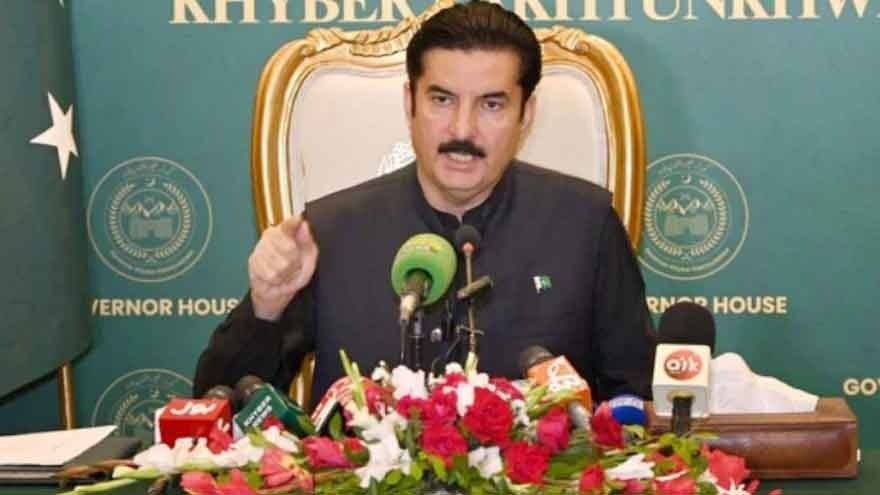
    خیبر پختونخوا کے گورنر فیصل کریم کنڈی نے اعلان کیا ہے کہ پشاور سے لاہور کے لیے براہ راست پروازیں 9 نومبر سے شروع ہوں گی، جس سے دونوں شہروں کے درمیان فضائی رابطہ بحال ہو جائے گا۔

    گورنر نے بتایا کہ یہ فضائی سروس ساؤتھ ایئر کے تعاون سے شروع کی جا رہی ہے، اور ابتدائی طور پر ہفتے میں چار پروازیں چلائی جائیں گی۔ پہلی پرواز 9 نومبر کو دوپہر تقریباً ایک بجے پشاور سے لاہور کے لیے روانہ ہوگی۔

    کنڈی کے مطابق، پشاور سے لاہور کا سفر اب تقریباً 50 منٹ سے ایک گھنٹے میں طے ہو جائے گا، جو سڑک کے طویل سفر کے مقابلے میں بہت کم وقت ہے۔ انہوں نے کہا کہ یہ سہولت لاہور میں مقیم خیبر پختونخوا کے شہریوں، کاروباری افراد اور ملازمین کے لیے خاص طور پر فائدہ مند ہوگی۔

    گورنر نے بتایا کہ 9 نومبر یوم اقبال کے موقع پر اس سروس کا آغاز کیا جا رہا ہے، اور یہ صوبے کے عوام کے لیے ایک اچھی خبر ہے۔ انہوں نے کہا کہ فضائی رابطے کی بحالی سے دونوں شہروں کے درمیان سفر آسان ہوگا اور تجارتی و خاندانی روابط مضبوط ہوں گے۔

    ساؤتھ ایئر نے بھی اپنے سوشل میڈیا پلیٹ فارمز کے ذریعے اس روٹ کا اعلان کیا ہے۔ ایئرلائن کا کہنا ہے کہ یہ نیا روٹ برادریوں کو قریب لانے اور فضائی سفر کو مزید قابل رسائی بنانے کے لیے شروع کیا جا رہا ہے، اور دونوں سمتوں میں پروازیں چلائی جائیں گی۔

    کنڈی نے بتایا کہ پشاور سے کوئٹہ کے لیے براہ راست پروازیں پہلے ہی کامیابی سے چل رہی ہیں، اور پشاور۔لاہور روٹ کی پروازوں کی تعداد میں بھی مستقبل میں اضافہ کیا جائے گا۔ انہوں نے کہا کہ صوبے کے دیگر ہوائی اڈوں، بشمول ڈیرہ اسماعیل خان اور چترال، سے بھی پروازیں شروع کرنے کا منصوبہ ہے، جو نئے طیاروں کی شمولیت کے بعد عمل میں آئے گا۔

    یہ اعلان ایسے وقت میں سامنے آیا ہے جب ملک میں اندرون ملک فضائی سفر کی مانگ بڑھ رہی ہے۔ ماہرین کا کہنا ہے کہ چھوٹے شہروں کو بڑے شہروں سے جوڑنے والی نئی پروازیں نہ صرف مسافروں کے لیے سہولت فراہم کرتی ہیں بلکہ علاقائی تجارت اور سیاحت کو بھی فروغ دیتی ہیں۔

    اب مسافروں کی نظریں 9 نومبر پر ہیں، جب پہلی پرواز پشاور سے لاہور کے لیے اڑان بھرے گی۔ گورنر کو امید ہے کہ یہ سروس دونوں شہروں کے درمیان سفر کا ایک مستقل اور قابل اعتماد ذریعہ بن جائے گی۔

  • Newsom Commutes All 548 California Death Sentences

    Newsom Commutes All 548 California Death Sentences

    California Governor Gavin Newsom has announced that he is commuting the death sentences of all 548 people on the state’s death row to life in prison without the possibility of parole, in what is described as the largest mass clemency in American history.

    Newsom made the announcement on Thursday, November 5, in a three-page open letter addressed to all Californians. He wrote that he was acting on his long-held conviction that society was stronger when it rejected state-sanctioned killing, and argued that the death penalty was unjust, error-prone and incompatible with the state’s values.

    California has the largest death row in the Western Hemisphere, and no one has been executed in the state since 2006. Newsom imposed a moratorium on executions shortly after taking office in 2019, calling the death penalty a failure and citing serious concerns about racial discrimination, high costs and the risk of human error.

    The commutations will not all take effect at once. Under the California Constitution, a governor cannot grant clemency to anyone twice convicted of a felony without a recommendation from the state Supreme Court, supported by at least four justices. That requirement applies to 382 of the 548 prisoners, while the remaining 166 can have their sentences commuted immediately.

    Newsom has written to the court asking it to issue its recommendations by the end of the year, so that he can complete the process before his term ends on January 4, 2027, when his successor, Xavier Becerra, is sworn in. If the court does not act in time, the requests would not carry over to the next governor.

    The governor’s office said the action does not repeal California’s death penalty, which remains on the books as a sentencing option unless voters or the legislature remove it, and could be restored to practice by a future governor. It applies only to the sentences of people currently on death row.

    According to the Death Penalty Information Center, the move more than doubles the total number of clemencies granted in capital cases in the United States over the past 50 years, and marks the eighth time in the modern era that a governor has granted clemency to everyone sentenced to death in their state.

    Reactions have been divided. Supporters, including murder victims’ families, law enforcement and civil rights leaders cited by the governor’s office, welcomed the decision. Others, including some victims’ relatives and death penalty supporters, have criticised it, arguing that the sentences were imposed by juries and should stand.

    Newsom, a Democrat who is widely expected to seek his party’s presidential nomination in 2028, has long opposed capital punishment. His decision, taken in the final weeks of his governorship, now rests with the state’s highest court, which must decide whether nearly 70 percent of the commutations can proceed.

  • Najib Razak’s House Arrest Halted Hours After Approval

    Najib Razak’s House Arrest Halted Hours After Approval

    Malaysia’s attorney general has halted former prime minister Najib Razak’s transfer to house arrest, just hours after a court cleared him to leave prison, throwing the fate of the disgraced leader’s sentence into fresh uncertainty.

    The Kuala Lumpur High Court had earlier on Friday given Najib the green light to serve the remainder of his sentence at home, after his party, the United Malays National Organisation, paid a required fine of 50 million ringgit, about $12.3 million. The payment fulfilled a key condition of a conditional royal pardon granted in September by King Sultan Ibrahim, which allowed Najib to serve the rest of his term under house arrest until August 23, 2028.

    Najib, who was prime minister from 2009 to 2018, briefly left Kajang Prison on Friday to attend a scheduled dental appointment, according to Transport Minister Anthony Loke. But late on Friday, the Attorney-General’s Chambers said questions had arisen over the legal interpretation of the king’s pardon and the court order allowing him to leave jail.

    In a three-page statement, the chambers said the implementation of house arrest should be temporarily suspended until further investigation and clarification. It said that during this period Najib’s detention status must remain unchanged at his current place of detention.

    At the heart of the dispute is whether payment of the fine brings Najib’s sentence in the SRC International corruption case to an end, or merely allows him to serve the remainder of it under house arrest. Najib was convicted in July 2020 of misappropriating 42 million ringgit from SRC International, a former unit of the state investment fund 1Malaysia Development Berhad, and was sentenced to 12 years in prison and fined 210 million ringgit. A royal pardon in February 2024 halved the sentence to six years and reduced the fine to 50 million ringgit.

    The distinction matters because Najib faces a separate 15-year prison sentence, imposed in December in another 1MDB-related case, along with fines of $2.8 billion. Under the court ruling, that sentence is due to begin only after the SRC sentence has been completed in full. The attorney general’s office said it also needed to examine the legal effect of the High Court’s order of November 6, which directed Najib’s immediate release while requiring him to remain under house arrest until 2028.

    Najib’s lawyers have objected to the attorney general’s intervention, and the chambers stressed that its move was not intended to oppose or overturn the king’s decree, but to ensure that the royal pardon and the court order were implemented in accordance with the law. It described the situation as unprecedented and said it would take further action once its review was complete.

    For now, Najib remains in detention while the legal questions are examined. The episode has revived debate in Malaysia over the 1MDB scandal, one of the biggest financial frauds in the country’s history, and over how far royal pardons can reshape sentences handed down by the courts.

  • China Blocks SoftBank’s $5.4bn ABB Robotics Deal

    China Blocks SoftBank’s $5.4bn ABB Robotics Deal

    China has blocked SoftBank Group’s proposed $5.4 billion acquisition of Swiss engineering company ABB’s robotics business, dealing a major setback to the Japanese investment giant’s push into artificial intelligence-powered automation.

    ABB confirmed on Thursday that Chinese authorities had prohibited the acquisition of its robotics operations in China. The decision followed a national security review and came despite expectations that the transaction would receive regulatory clearance. The Financial Times first reported the intervention, citing people familiar with the matter.

    SoftBank had agreed in October 2025 to buy ABB’s robotics division for an enterprise value of about $5.375 billion. The deal was intended to strengthen SoftBank’s position in industrial automation and robotics, which its founder and chief executive, Masayoshi Son, has described as a core part of its AI investment strategy.

    According to Reuters, China’s National Development and Reform Commission, the state planner that reviews foreign investment with possible national security implications, told SoftBank last week that the transaction would not be allowed to proceed. SoftBank had expected the deal to go through until then, and declined to comment on the decision.

    The reported concern behind the block is data. The Financial Times reported that regulators worried information generated by ABB’s robotics operations in China could be transferred overseas and used to train advanced AI systems, including those built by OpenAI, in which SoftBank is a major investor. The grounds have not been set out officially, and the explanation rests on the newspaper’s sources rather than any Chinese announcement.

    China is ABB’s biggest market for its robotics business, representing around 30 percent of the division’s business, which makes the country essential to the deal. ABB builds robots in Shanghai, and about 90 percent of the machines it sells to Chinese customers are made locally. The division, which makes robotic arms and other devices used in manufacturing and logistics, reported revenue of about $2.3 billion in 2024 and employs roughly 7,000 people worldwide.

    ABB said in a statement on Thursday that it had been informed by SoftBank that China’s Office of the Working Mechanism for Foreign Investment Security Review had prohibited the acquisition of ABB Robotics in China. The company stressed that both firms remained in close dialogue and were continuing to work on the transaction, and it has not announced that the deal has been terminated.

    The case marks the second major deal blocked by China this year, after Meta was ordered to unwind its acquisition of artificial intelligence startup Manus, worth more than $2 billion. It also underlines Beijing’s growing willingness to use security reviews to control technology and data flows.

    The market reaction was swift. ABB shares fell 1.1 percent in morning trading after the news became public, while SoftBank shares dropped 6.7 percent on Thursday and are now down more than 50 percent from their all-time highs in June, erasing over $140 billion in value, according to the Wall Street Journal.

    SoftBank reports results for the six months to September on November 10, which will be the first scheduled opportunity for the group to say whether it will reapply, restructure the deal or walk away. Until then, the future of one of the biggest robotics deals in recent years remains uncertain.

  • پاکستان نے ایل این جی بولیوں کی آخری تاریخ 10 نومبر تک بڑھا دی

    پاکستان نے ایل این جی بولیوں کی آخری تاریخ 10 نومبر تک بڑھا دی

    پاکستان نے دو ایل این جی کارگوز کے لیے بین الاقوامی سپلائرز سے بولیاں جمع کرانے کی آخری تاریخ 10 نومبر تک بڑھا دی ہے، تاکہ موسم سرما میں گیس کی متوقع قلت کو پورا کیا جا سکے۔

    پیٹرولیم ڈویژن کے ذرائع کے مطابق، بین الاقوامی سپلائرز اب 10 نومبر تک اپنی بولیاں جمع کرا سکتے ہیں، جب کہ اس سے قبل آخری تاریخ 6 نومبر مقرر کی گئی تھی۔ ذرائع نے بتایا کہ موصول ہونے والی بولیوں کو بھی 10 نومبر ہی کو کھولا جائے گا۔

    تاہم، دونوں ایل این جی کارگوز کی ترسیل کا شیڈول تبدیل نہیں ہوا ہے۔ حکومت کا کہنا ہے کہ درآمدی گیس کی یہ کھیپ موسم سرما کے دوران گھریلو اور صنعتی صارفین کی بڑھتی ہوئی ضرورت کو پورا کرنے میں مدد دے گی۔

    پاکستان میں ہر سال سردیوں کے مہینوں میں گیس کی طلب میں نمایاں اضافہ ہو جاتا ہے، جب گھریلو صارفین ہیٹنگ کے لیے زیادہ گیس استعمال کرتے ہیں۔ اسی دوران مقامی گیس کے ذخائر سے پیداوار طلب کے مقابلے میں کم رہتی ہے، اسی لیے حکومت کو مائع قدرتی گیس درآمد کرنا پڑتی ہے۔

    ایل این جی کی درآمد پاکستان کی توانائی کی فراہمی کا ایک اہم حصہ بن چکی ہے۔ درآمدی گیس کو پائپ لائن نیٹ ورک کے ذریعے ملک بھر کے صارفین تک پہنچایا جاتا ہے، اور سردیوں میں اس کی اہمیت مزید بڑھ جاتی ہے کیونکہ اس وقت گیس کی کمی سب سے زیادہ محسوس ہوتی ہے۔

    پیٹرولیم ڈویژن کے ذرائع کے مطابق، بولیوں کی تاریخ میں توسیع کا مقصد زیادہ سے زیادہ بین الاقوامی سپلائرز کو ٹینڈر میں حصہ لینے کا موقع دینا ہے، تاکہ مسابقتی نرخوں پر گیس خریدی جا سکے۔ زیادہ بولیاں موصول ہونے سے حکومت کو بہتر قیمت پر معاہدہ کرنے میں مدد مل سکتی ہے۔

    موسم سرما میں گیس کی قلت پاکستان کے لیے کوئی نئی بات نہیں ہے۔ ماضی میں بھی سردیوں کے دوران گھریلو صارفین کو کم پریشر اور صنعتوں کو گیس کی بندش کا سامنا کرنا پڑا ہے۔ حکومت ہر سال سردیوں سے قبل ایل این جی کے اضافی کارگوز کا بندوبست کرتی ہے تاکہ اس صورتحال سے بچا جا سکے۔

    توانائی کے ماہرین کا کہنا ہے کہ پاکستان کو اپنی گیس کی ضروریات پوری کرنے کے لیے درآمدات پر انحصار کم کرنے اور مقامی ذخائر کی تلاش اور پیداوار بڑھانے کی ضرورت ہے۔ تاہم، مختصر مدت میں ایل این جی کی درآمد ہی سردیوں کی طلب پوری کرنے کا سب سے مؤثر ذریعہ ہے۔

    اب تمام نظریں 10 نومبر پر ہیں، جب بولیاں کھولی جائیں گی اور یہ واضح ہوگا کہ کون سے سپلائرز اور کس قیمت پر دونوں کارگوز فراہم کریں گے۔ حکومت کو امید ہے کہ اس عمل سے موسم سرما کے لیے گیس کی فراہمی یقینی بنائی جا سکے گی۔

  • Mahmud’s 6-90 Bowls Out West Indies for 356 in Sylhet

    Mahmud’s 6-90 Bowls Out West Indies for 356 in Sylhet

    Fast bowler Hasan Mahmud claimed 6 for 90 as Bangladesh bowled West Indies out for 356 on the second day of the second Test in Sylhet on Friday, in a fine individual performance that briefly lifted the home side.

    Mahmud, bowling with pace and movement at the Sylhet International Cricket Stadium, ran through the West Indies batting order as the visitors were dismissed in 106.4 overs. The hosts, however, ended the day struggling at 88 for 3, still 268 runs behind the visitors’ first-innings total.

    Amir Jangoo was the top scorer for West Indies, hitting 133 off 212 balls with 13 fours and two sixes, before Mahmud clean-bowled him with a sharply swinging delivery. Kevin Wickham made 61 and Justin Greaves added 51, while captain Roston Chase was dismissed for a golden duck.

    The haul was Mahmud’s fifth five-wicket return in Test cricket, making him the first Bangladesh fast bowler to reach that mark. He moved past Shahadat Hossain, with whom he had previously shared the record of four five-wicket hauls for a Bangladesh pacer. It was also his second six-wicket haul in the format, and his first five-wicket haul on home soil.

    Mahmud also joined an elite list with the performance, becoming only the second bowler in Test history, after Australia’s Nathan Lyon, to take five-wicket hauls in five different countries. His five hauls have come in Pakistan, India, Australia, the United Arab Emirates and now Bangladesh.

    There was further drama when new batter Joshua Bishop survived the hat-trick ball after a review overturned an lbw decision, denying Mahmud a second Test hat-trick. Mahmud eventually accounted for Bishop and Shamar Joseph to finish with figures of 6 for 90 from 24 overs, while Mehidy Hasan Miraz provided support by dismissing Greaves and Jayden Seales.

    Bangladesh’s reply began badly. The hosts lost opener Shadman Islam to an ankle injury and were soon in trouble, reaching the close with Towhid Hridoy unbeaten on 29 and Mushfiqur Rahim on 19. West Indies, who already lead the series 1-0, seized control with early wickets and left Bangladesh facing a demanding third day.

    Mahmud’s effort was the standout moment of the day, but the scoreboard still favoured the visitors. West Indies’ lower order had refused to surrender, with a stubborn 33-run final-wicket partnership between Seales and Jomel Warrican carrying them from 301 for 8 to 356.

    Bangladesh will resume on the third day with seven first-innings wickets in hand and a substantial deficit to erase. Their hopes of saving the match will rest heavily on Hridoy and Mushfiqur, and on the middle order that must now bat long against a West Indies attack full of confidence.

  • Imaan Mazari, Hadi Ali Challenge 10-Year Jail Terms in IHC

    Imaan Mazari, Hadi Ali Challenge 10-Year Jail Terms in IHC

    Advocates Imaan Mazari and Hadi Ali Chatha have filed appeals in the Islamabad High Court challenging their convictions in the barrier removal case, while also seeking suspension of their sentences and release on bail.

    The appeals, along with applications seeking suspension of the sentences, were filed on behalf of the two advocates by lawyers Faisal Siddiqui, Riasat Ali Azad and Zainab Janjua, according to Dunya News. The petitions ask the high court to set aside the trial court’s decision and to free the two on bail while the appeals are heard.

    According to the report, Mazari and Chatha have challenged the 10-year jail sentences handed down by the trial court in the case, which concerned the removal of barriers. The appeals argue that the trial court failed to fulfil the requirements of a fair trial, and cite judicial precedents in which the transparency of trial proceedings had been questioned.

    The filing is the latest step in a case that has drawn close attention from the legal community, because both appellants are practising advocates. Lawyers’ bodies and bar representatives have followed the proceedings closely, and the high court’s handling of the appeals is expected to be watched just as carefully.

    In their appeals, the petitioners have asked the court to examine whether the trial was conducted in accordance with the law and whether the evidence on record supported the convictions. The applications for suspension of sentence argue that the two should be released on bail while the appeals remain pending, a relief that courts commonly consider when an appeal raises arguable questions and the sentence is lengthy.

    The Islamabad High Court will now consider the appeals and the applications for suspension of sentence. No date for the first hearing had been announced in the initial reports, and it will be for the court to fix the matter and to decide whether to issue notices to the other side before proceeding further.

    Appeals of this kind typically involve a detailed review of the trial record, including the evidence presented, the statements of witnesses and the reasoning of the trial court’s judgment. The appellants’ lawyers will argue that the record does not sustain the convictions, while the prosecution will defend the trial court’s findings.

    For now, the filing means the case moves to the appellate stage, where the high court has the power to uphold the convictions, set them aside, order a retrial, or reduce the sentences. The outcome will depend on the court’s assessment of the trial record and the arguments advanced by both sides.

    The case will remain in focus as it proceeds through the high court, with the legal community awaiting the court’s first orders on the appeals and the bail applications.

  • France School Bus Crash Kills 2, Injures 16 Near Lyon

    France School Bus Crash Kills 2, Injures 16 Near Lyon

    Two people, including a seven-year-old girl, were killed and 16 others injured when a bus carrying schoolchildren veered off the road in eastern France on Friday morning, in a crash that has shocked the local community.

    The accident happened at about 7:30am near the small town of Lent, in the Ain department north-east of Lyon, as the bus travelled on the D22 road between Lyon and Bourg-en-Bresse. The vehicle left the road and ended up in a ditch, striking a tree, according to French authorities.

    The Ain prefecture said one minor and one young adult were killed, while 16 people were injured, including three seriously. The victims were later identified as a seven-year-old girl and an 18-year-old man. Transport Minister Philippe Tabarot, who visited the scene, said the bus was operated by the regional authority and was carrying about 15 students along with other passengers.

    Prosecutors said the bus was carrying 43 passengers in total, including pupils heading to middle and high schools in the area. The service was the A32 regional route, run by Philibert Transports on behalf of the Auvergne-Rhone-Alpes region. News broadcaster BFM TV reported that the passengers included children travelling to schools across the area.

    Tabarot described the crash as a tragic accident and expressed his condolences to the victims’ families. President Emmanuel Macron also expressed condolences, and Prime Minister Sebastien Lecornu and Education Minister Edouard Geffray both responded publicly to the news.

    The cause of the accident has not yet been determined. Lent mayor Yves Cristin told broadcaster Franceinfo that the road was a little wet and there was no fog, adding that he did not understand why the bus had veered off the road. The Ain prefect, Louis-Xavier Thirode, told BFM that preliminary blood tests carried out on the bus driver found no traces of alcohol or drugs.

    The driver was taken to hospital and had not yet been questioned, prosecutors said. An investigation has been opened by prosecutors in Bourg-en-Bresse into possible road homicide and aggravated road injuries, and investigators will examine the vehicle, the road and the circumstances of the journey.

    Emergency services rushed to the rural scene, where rescue workers treated the injured and took them to hospitals in the region. The crash happened in a quiet farming area, and local residents described their shock at the scale of the tragedy on an ordinary school morning.

    France has seen a series of serious road accidents involving school transport in recent years, and each one renews debate about the safety of buses carrying children on rural routes. For the families in Lent and the surrounding villages, however, the focus now is on the victims and the injured, and on the investigation that must establish why a routine journey ended in disaster.